Why Do People Smoke Hookah? Understanding the Cultural and Social Phenomenon
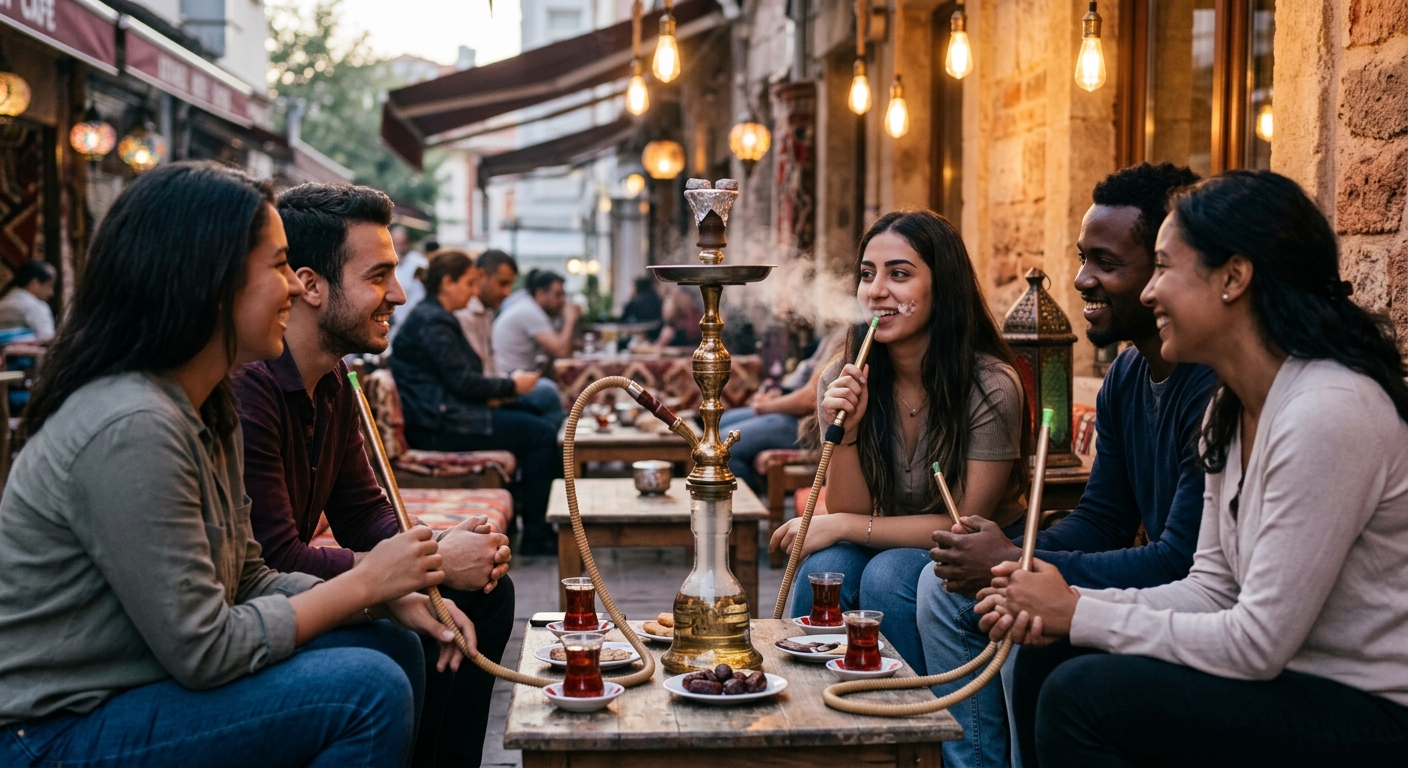
Hookah, also known as shisha, waterpipe, or narghile, has been a prominent fixture in various cultures for centuries. Despite growing awareness of the health risks associated with tobacco consumption, the popularity of hookah smoking continues to rise globally, particularly among young adults. To understand this phenomenon, it is essential to delve into the cultural, social, and psychological factors that drive individuals to participate in this ancient practice.
The Historical and Cultural Roots of Hookah
The origins of the hookah can be traced back to the northwestern provinces of India along the border of Pakistan in the 16th century. From there, it spread to the Middle East, where it became deeply embedded in the culture and daily life of the region. Historically, smoking hookah was a symbol of status and a staple of hospitality. Offering a guest a puff from a beautifully crafted waterpipe was a sign of respect and welcome.
Today, the tradition continues. For many, smoking hookah is a way to connect with their heritage. The ritualistic preparation, the bubbling sound of the water, and the sharing of the hose are all elements that evoke a sense of nostalgia and cultural pride. If you are interested in a deep dive into the history and components of this practice, you can read الدليل الشامل عن الأركيلة: تاريخها، مكوناتها، وتأثيراتها, which offers a thorough exploration of its cultural significance.
The Social Aspect of Hookah Smoking
One of the primary reasons people smoke hookah is the social experience it provides. Unlike cigarette smoking, which is often a quick, solitary act, smoking hookah is inherently communal. It is an activity designed to be shared.
Creating a Relaxed Atmosphere
Hookah lounges are specifically designed to foster a relaxed, inviting environment. They often feature comfortable seating, dim lighting, and ambient music, creating a space where people can unwind. The act of passing the hose from person to person encourages conversation, making it an ideal activity for socializing with friends or meeting new people.
A Non-Alcoholic Alternative for Nightlife
In many cultures, especially those where alcohol consumption is prohibited or frowned upon, hookah lounges serve as the primary venue for nightlife and socialization. Even in Western countries, hookah lounges offer an alternative to bars and clubs for young adults who prefer a more laid-back setting without the pressure to consume alcohol.
The Appeal of Flavored Tobacco (Mu'assel)
Another significant factor contributing to the popularity of hookah is the wide variety of flavors available. Traditional hookah tobacco, known as mu'assel, is a mixture of tobacco, molasses or honey, and vegetable glycerol, infused with various flavorings. The introduction of flavored tobacco in the 1990s revolutionized the hookah industry.
Today, smokers can choose from an almost endless array of flavors, ranging from traditional double apple and mint to exotic blends like blue mist, gummy bear, and watermelon chill. The sweet, pleasant aroma and taste of flavored shisha mask the harshness of the tobacco, making it more palatable, especially for beginners and those who do not typically smoke cigarettes.
The Sensory Experience and Ritual
The act of smoking hookah involves a unique sensory experience that many find appealing. The process begins with the preparation: packing the bowl, covering it with foil or a heat management device, and lighting the coals. High-quality charcoal is essential for a clean, consistent burn. For those looking into the business side or seeking the best materials, exploring a Charcoal Supplier Indonesia: Your Ultimate Guide to Sourcing High-Quality Briquettes can provide valuable insights into the crucial role of charcoal in the hookah experience.
Once the hookah is set up, the sensory elements come into play. The bubbling sound of the water, the thick, voluminous clouds of smoke, and the lingering sweet aroma create a calming, almost meditative experience. For many, the ritual of preparing and smoking hookah is a way to de-stress and take a break from the fast-paced modern world.
Comparing Hookah and Cigarette Consumption
To better understand why users might choose hookah over other forms of tobacco, it is helpful to look at the differences in how they are consumed and perceived.
| Feature | Hookah | Cigarettes |
|---|---|---|
| Primary Setting | Communal / Social Lounges | Individual / On-the-go |
| Duration of Session | 45 to 90 minutes | 5 to 10 minutes |
| Flavor Profile | Sweet, highly varied (fruit, mint, dessert) | Harsh, traditional tobacco or menthol |
| Preparation Effort | High (packing bowl, heating coals) | Low (ready to light) |
Perception of Reduced Harm
A concerning reason why many people, particularly youth, gravitate toward hookah is the misconception that it is a safer alternative to cigarette smoking. The water in the base of the hookah is often mistakenly believed to filter out harmful toxins. Furthermore, the sweet smell and smooth taste of the smoke lead many to underestimate the health risks.
In reality, health organizations warn that hookah smoke contains many of the same toxic compounds found in cigarette smoke, including carbon monoxide, heavy metals, and carcinogens. Because a hookah session typically lasts much longer than smoking a cigarette, users may actually inhale a larger volume of smoke. Despite these facts, the perception of reduced harm remains a powerful driver of hookah's popularity.
Conclusion
The question of why people smoke hookah cannot be answered with a single reason. It is a multifaceted phenomenon driven by deep cultural roots, a strong emphasis on social connection, the sensory appeal of flavored tobacco, and the calming ritual of the practice itself. While the health risks associated with hookah smoking are significant, the communal and relaxing nature of the experience ensures that it remains a popular pastime for millions of people worldwide.
Frequently Asked Questions
Is smoking hookah safer than smoking cigarettes?
No, smoking hookah is not safer than smoking cigarettes. Hookah smoke contains many of the same harmful toxins, carbon monoxide, and carcinogens. Due to the length of a typical session, hookah smokers may inhale significantly more smoke than they would from a cigarette.
Why do hookah lounges use specific types of charcoal?
Hookah lounges use specific types of charcoal, typically natural coconut shell briquettes, because they burn longer, produce less ash, and do not impart chemical flavors to the shisha, ensuring a purer and more enjoyable smoking experience.
Can you smoke hookah without tobacco?
Yes, there are herbal shisha alternatives available that contain no tobacco and no nicotine. These are made from tea leaves, sugar cane, or real fruit, offering the flavor and smoke clouds of traditional hookah without the addictive properties of nicotine.