Wholesale Indonesian Hookah Charcoal in England: A Comprehensive Guide
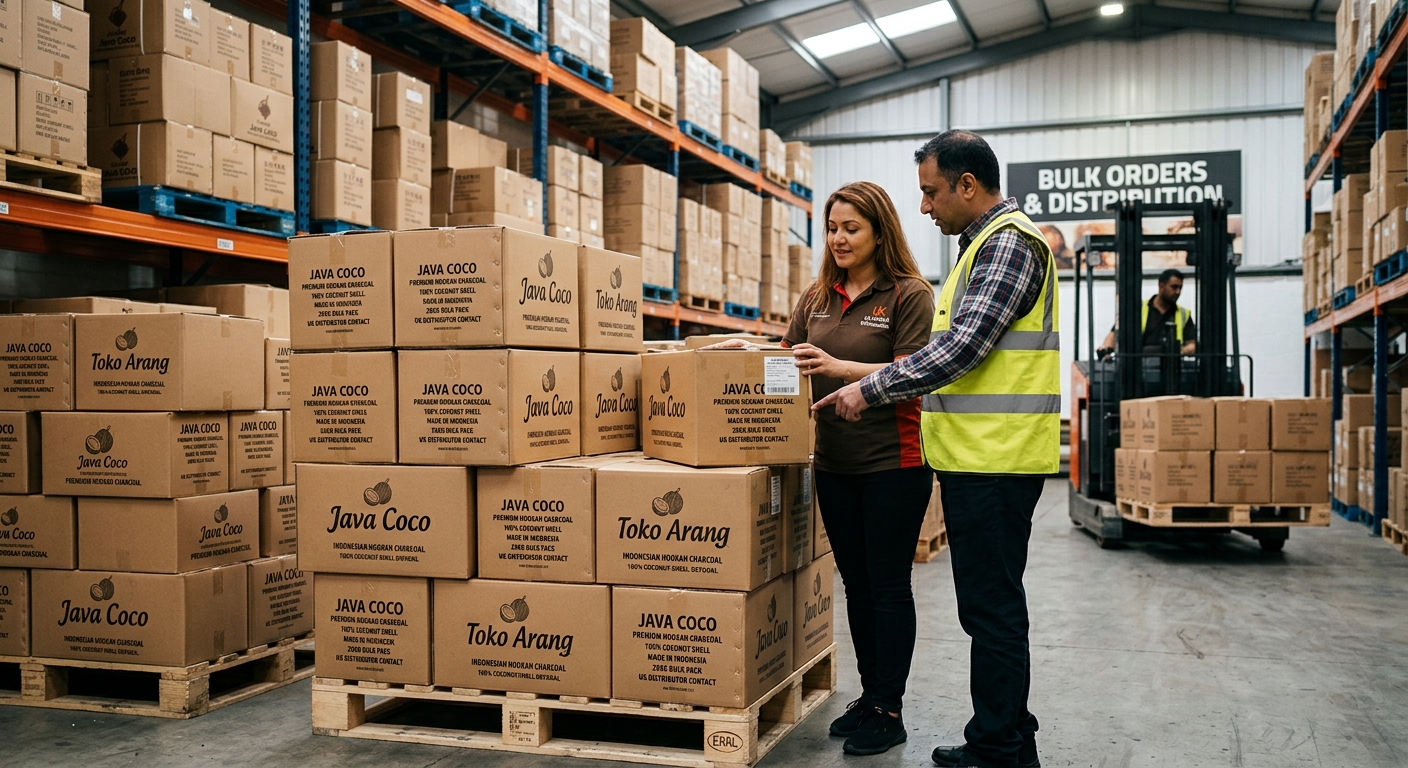
Introduction to Indonesian Hookah Charcoal in the UK Market
The demand for premium hookah experiences in England has seen a significant surge in recent years. Central to this experience is the quality of the charcoal used. Among the top choices for enthusiasts and lounge owners alike is Indonesian coconut charcoal. Known for its high heat output, low ash production, and long burning time, Indonesian hookah charcoal has become a staple in the UK market. This article explores the nuances of importing and distributing wholesale Indonesian hookah charcoal in England, providing insights for businesses looking to capitalize on this growing trend.
Why Indonesian Coconut Charcoal?
Indonesia is globally recognized as the leading producer of coconut shell charcoal. The country's vast coconut plantations provide a sustainable and abundant source of raw materials. When processed into hookah charcoal, these coconut shells offer unparalleled performance compared to traditional wood or quick-light charcoals.
Key Benefits
- Long Burning Time: Indonesian coconut charcoal can burn for over an hour, ensuring a prolonged and uninterrupted hookah session.
- Low Ash Content: High-quality Indonesian charcoal produces less than 3% ash, making it cleaner and easier to manage during use.
- Odorless and Tasteless: It does not interfere with the flavor of the shisha tobacco, providing a pure smoking experience.
- Eco-Friendly: Made from coconut shells, it is a sustainable byproduct of the coconut industry.
Understanding Charcoal Specifications
When sourcing wholesale Indonesian hookah charcoal for England, it is crucial to understand the different specifications and sizes available. The most common shapes are cubes, flats, and hexagonal pieces. Among these, the 26mm cube is highly sought after by premium lounges and discerning consumers.
For businesses looking to dive deeper into this specific size, reading a Comprehensive Guide to Coconut Charcoal Cube 26mm Wholesale can provide valuable insights into its production, performance metrics, and market demand.
The Import Process to England
Importing charcoal into England involves several steps, from finding a reliable supplier in Indonesia to navigating UK customs and regulations. It is essential to ensure that the supplier adheres to strict quality control standards and can provide consistent batches.
Finding a Reliable Supplier
A trustworthy supplier is the backbone of any successful wholesale business. Look for manufacturers in Indonesia who have experience exporting to the UK or Europe. They should be able to provide certifications regarding the moisture content, ash percentage, and fixed carbon levels of their charcoal.
Navigating UK Customs
Importing goods into the UK requires a thorough understanding of tariffs, VAT, and customs declarations. Working with an experienced freight forwarder can streamline this process, ensuring that the charcoal arrives safely and in compliance with all local regulations.
Branding and Packaging for the UK Market
In a competitive market like England, standing out is essential. Offering a high-quality product is only part of the equation; how that product is presented can significantly impact sales. Many Indonesian manufacturers offer OEM (Original Equipment Manufacturer) services, allowing UK wholesalers to create their own branded packaging.
Effective packaging not only protects the charcoal from moisture during transit but also serves as a crucial marketing tool. To understand how to leverage packaging for market advantage, explore the benefits of Custom Brand Coconut Charcoal Packaging: Elevating Your Product Appeal. This approach can help establish a strong brand identity among hookah lounges and retail customers in England.
Market Trends in England
The UK hookah market is evolving. Consumers are becoming more educated about the products they use and are actively seeking cleaner, more natural alternatives to chemical-laden quick-light coals. Lounge owners in major cities like London, Manchester, and Birmingham are shifting exclusively to premium natural coconut charcoal to elevate their service offerings.
Opportunities for Wholesalers
There is a distinct opportunity for wholesalers who can reliably supply high-quality Indonesian charcoal. By focusing on consistency, competitive pricing, and excellent customer service, wholesale distributors can build long-term relationships with both B2B clients and direct consumers.
Conclusion
The wholesale market for Indonesian hookah charcoal in England is robust and full of potential. The superior qualities of Indonesian coconut charcoal—such as its long burn time, low ash, and neutral impact on flavor—make it the preferred choice for a rapidly growing base of hookah enthusiasts. By partnering with reliable manufacturers, understanding the import landscape, and investing in strong branding and packaging, wholesalers can carve out a lucrative niche in this thriving industry.
Frequently Asked Questions
Why is Indonesian coconut charcoal preferred over other types?
Indonesian coconut charcoal is preferred because it offers a longer burn time, higher heat output, and produces very little ash. Crucially, it is odorless and tasteless, ensuring that the true flavor of the shisha tobacco is not altered.
What is the most popular size of hookah charcoal in England?
While preferences vary, the 26mm cube has become increasingly popular in premium lounges and among serious enthusiasts due to its optimal balance of heat output and longevity.
Do I need special licenses to import charcoal to the UK?
While you don't typically need a specific license just to import charcoal, you must comply with UK customs regulations, pay applicable VAT and duties, and ensure the product meets safety and environmental standards. Consulting with a customs broker is highly recommended.
How important is packaging for wholesale charcoal?
Packaging is incredibly important. It protects the charcoal from absorbing moisture, which can ruin its performance, and it serves as the primary way to differentiate your brand in a competitive market.