Supplier Briquette Charcoal: A Comprehensive Guide to Sourcing Quality Fuel
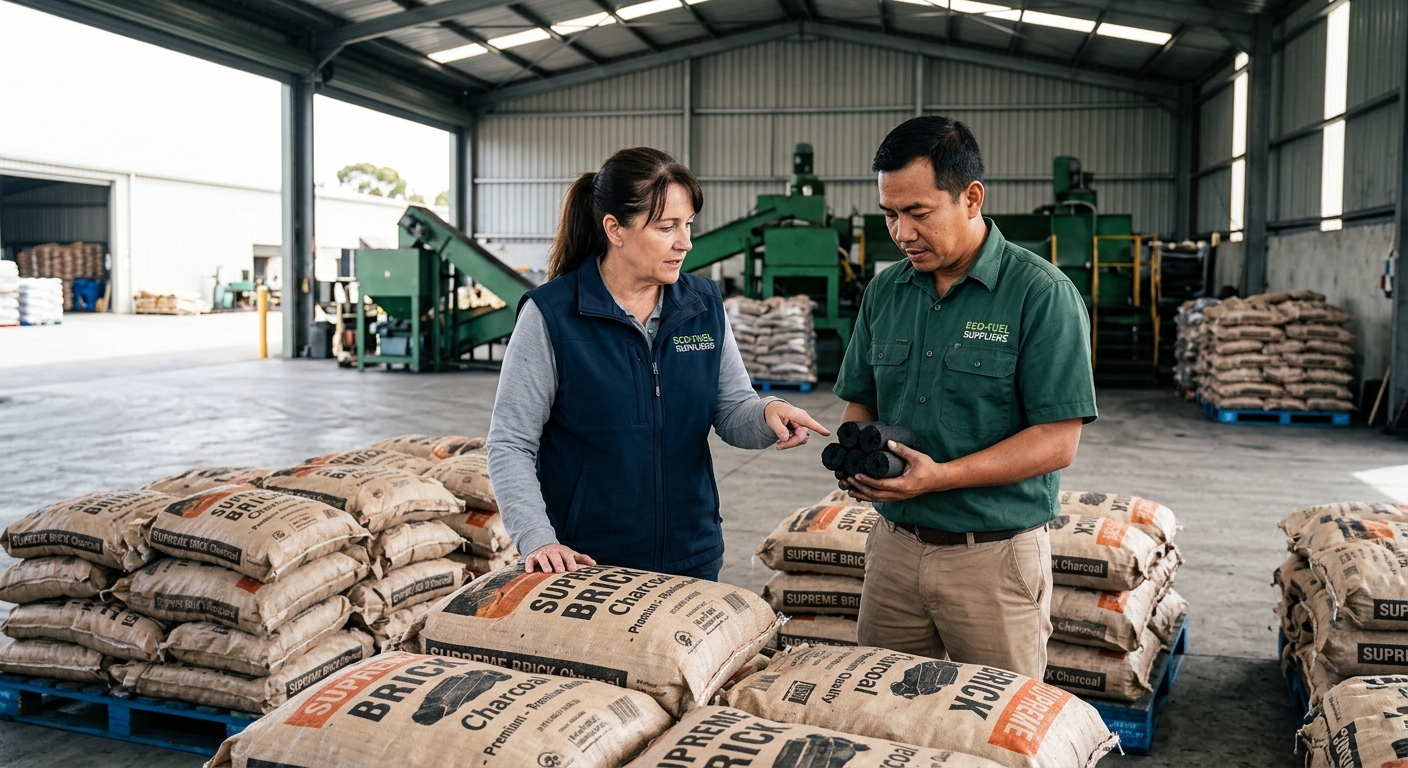
The Importance of a Reliable Supplier for Briquette Charcoal
Finding a dependable supplier for briquette charcoal is crucial for businesses operating in industries such as hospitality, retail, and manufacturing. Briquette charcoal is highly valued for its consistent heat, low ash content, and long burning time. Sourcing these products from a reputable supplier ensures that your end consumers receive a premium experience, whether they are grilling at a barbecue or using the charcoal for hookah sessions.
When searching for a supplier, it is essential to consider the origin of the raw materials, the manufacturing processes, and the environmental sustainability of the production. A professional supplier will have transparent practices and provide consistent quality across large volumes, which is a key factor for wholesale buyers.
Understanding Different Types of Briquette Charcoal
Briquette charcoal can be made from various raw materials, with hardwood and coconut shells being the most prominent. Each type offers distinct characteristics that cater to different market needs. To make an informed decision, businesses must understand the nuances of these raw materials.
Hardwood Briquettes
Hardwood briquettes are typically made from sawdust and wood scraps compressed into dense blocks. They are widely used in culinary applications because they provide high heat and a robust flavor profile suitable for grilling and smoking meats.
Coconut Shell Briquettes
Coconut shell briquettes have gained immense popularity, particularly in the shisha and hookah markets, due to their odorless, smokeless, and clean-burning properties. They produce significantly less ash compared to traditional wood charcoal. If you are looking to purchase in bulk, reading the Coconut Charcoal Briquettes Wholesale: The Ultimate Guide for Buyers provides excellent insights into sourcing these specific briquettes efficiently.
Evaluating a Supplier's Manufacturing Process
The manufacturing process of briquette charcoal directly impacts its quality. The carbonization, crushing, mixing with a binder, and pressing stages must be carefully controlled. High-quality briquettes require a precise ratio of raw material to binder (often natural tapioca starch) to ensure they hold their shape and burn uniformly.
Professional suppliers invest in advanced machinery and strict quality control protocols. They regularly test their products for moisture content, fixed carbon levels, and ash yield. When evaluating a potential supplier, request laboratory test reports to verify that their charcoal meets international standards.
Global Sourcing: Focus on Indonesia
Indonesia is one of the world's leading producers of premium coconut shell charcoal briquettes. The country's abundant tropical resources and established manufacturing infrastructure make it an ideal hub for sourcing high-quality charcoal. European markets, in particular, rely heavily on Indonesian exports.
For businesses looking to import into Europe, understanding the logistical and regulatory requirements is vital. A highly recommended resource for this is the article on Indonesian Hookah Charcoal Importer Germany: The Ultimate Guide to Sourcing Quality Briquettes, which details the intricacies of navigating the European import landscape for Indonesian charcoal.
Comparing Charcoal Types
Below is a comparison of the key attributes of Hardwood Briquettes and Coconut Shell Briquettes to help you determine which product best suits your business needs.
| Charcoal Type | Primary Use | Burn Time | Ash Content |
|---|---|---|---|
| Hardwood Briquettes | BBQ and Grilling | 2-3 Hours | 5-8% |
| Coconut Shell Briquettes | Shisha and Hookah | 2.5-4 Hours | 2-3% |
Logistics and Supply Chain Management
Securing a high-quality supplier is only half the battle; managing the supply chain is equally important. Transporting charcoal involves dealing with bulky, heavy shipments that require careful handling to prevent breakage. Moisture control during shipping is also critical, as dampness can ruin a batch of briquettes.
Effective communication with your supplier regarding packaging options—such as inner plastic liners and sturdy master cartons—can mitigate these risks. Additionally, understanding shipping routes, lead times, and customs documentation will ensure a smooth flow of goods from the manufacturer to your warehouse.
Conclusion
Choosing the right supplier for briquette charcoal requires diligent research, an understanding of raw materials, and careful evaluation of manufacturing and logistical capabilities. Whether you are sourcing robust hardwood briquettes for culinary uses or premium coconut shell briquettes for the hookah market, prioritizing quality, consistency, and transparent business practices will lead to a successful and profitable partnership.
Frequently Asked Questions
What makes coconut shell briquettes better for hookah?
Coconut shell briquettes are preferred for hookah because they burn hotter, longer, and produce very little ash. They are also odorless and smokeless, which ensures that the flavor of the shisha tobacco is not altered during the session.
How can I verify the quality of a charcoal supplier?
You can verify a supplier's quality by requesting product samples, asking for independent laboratory analysis reports detailing moisture, ash, and fixed carbon content, and checking their certifications and client references.
What is the typical shelf life of briquette charcoal?
If stored properly in a cool, dry place away from direct moisture, briquette charcoal can have an almost indefinite shelf life. However, it is crucial to keep the packaging sealed to prevent the charcoal from absorbing ambient humidity, which can affect its lighting and burning performance.