A Comprehensive Guide to Shisha Smoking: History, Culture, and Best Practices
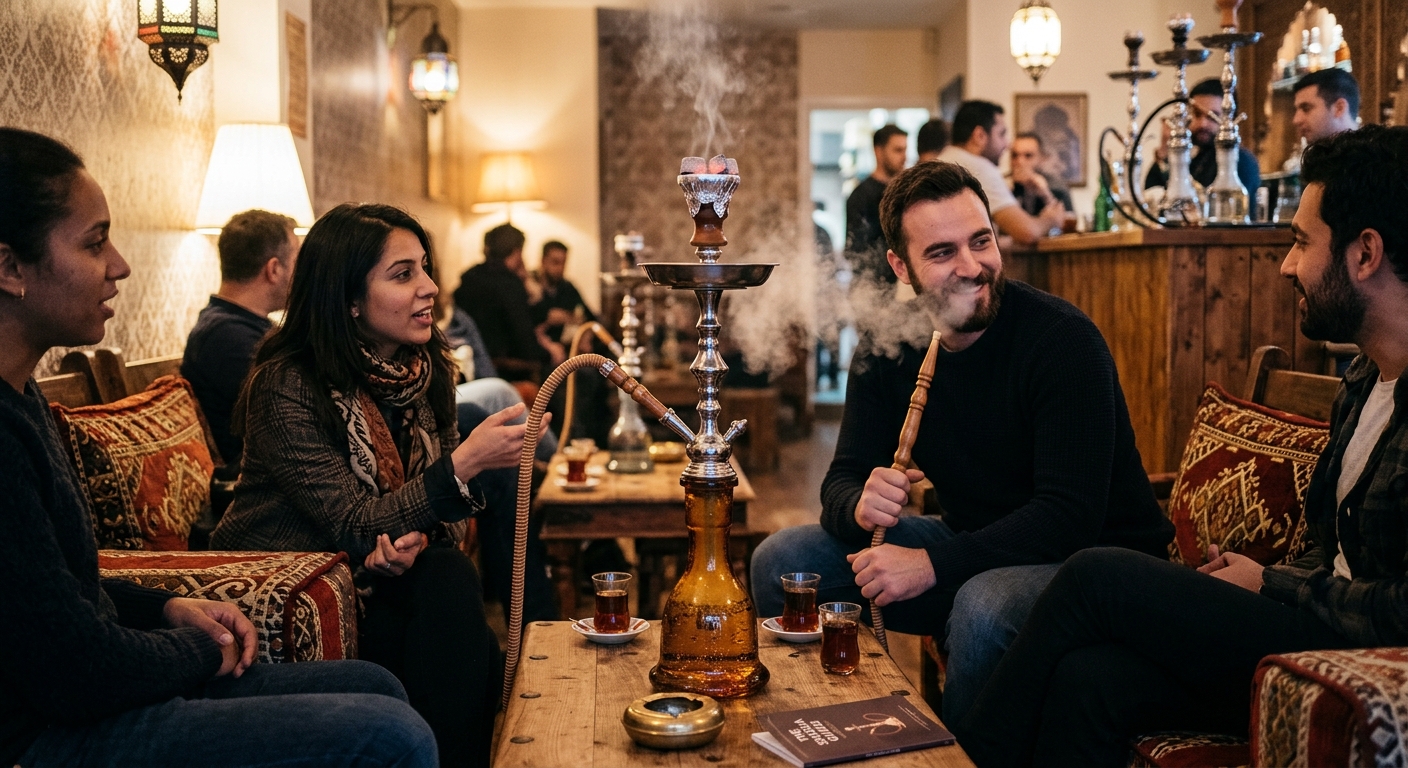
Introduction to Shisha Smoking
Shisha smoking, also known as hookah, narghile, or waterpipe smoking, has a rich history that spans centuries and continents. Originally emerging in the Middle Eastern and South Asian regions, it has evolved into a global phenomenon, enjoyed by millions as a social activity and a cultural tradition. This article explores the origins of shisha, its cultural significance, the mechanics of how it works, and best practices for an optimal experience, including the crucial role of high-quality charcoal.
The History and Origins of Shisha
The origins of the shisha waterpipe are somewhat contested, with some historians tracing it back to 16th-century India, where it was reportedly invented by an Iranian physician named Hakim Abu’l-Fath Gilani. The invention was intended to purify smoke through water, making it a perceived healthier alternative to smoking tobacco directly. From India, the practice spread rapidly to Persia and the Ottoman Empire, where it became deeply ingrained in social and cultural life.
Cultural Significance
In many cultures, shisha smoking is far more than a method of consuming tobacco; it is a profound social ritual. It symbolizes hospitality, relaxation, and camaraderie. Traditionally, offering a guest a session with the waterpipe was a sign of respect and welcome. Today, shisha lounges worldwide serve as modern gathering spaces where people connect, converse, and unwind, bridging cultural gaps and fostering community.
How Shisha Works: The Mechanics
Understanding the components of a shisha pipe is essential for both novices and seasoned enthusiasts. A standard setup consists of several key parts:
- The Bowl: Located at the top, this holds the shisha tobacco (flavor). It is typically covered with perforated aluminum foil or a heat management device.
- The Tray: Positioned just below the bowl, it catches loose ash from the charcoal.
- The Stem: The central tube through which the smoke travels down into the water.
- The Base: The glass container at the bottom filled with water, which cools and filters the smoke.
- The Hose: The flexible tube used to inhale the smoke.
When the user inhales through the hose, a vacuum is created in the base. This pulls hot air from the burning charcoal down through the bowl, baking the tobacco and generating smoke. The smoke then travels down the stem, bubbles through the water in the base (which cools it), and finally travels through the hose to the user.
The Importance of Quality Charcoal
One of the most critical factors determining the quality of a shisha session is the charcoal used. Poor quality charcoal can ruin the flavor of the tobacco, produce excessive ash, and emit unpleasant odors or chemicals. Enthusiasts and commercial lounges often prefer natural coconut shell charcoal due to its clean burn, high heat output, and minimal ash production.
For those interested in the production side of high-quality charcoal, understanding the manufacturing process is vital. You can read more about this in the Low Ash Shisha Charcoal Manufacture: A Comprehensive Guide. This guide details the meticulous processes required to produce charcoal that enhances, rather than detracts from, the shisha experience.
Furthermore, businesses looking to source premium charcoal in bulk should consider reliable suppliers. For a deep dive into sourcing, check out the Coconut Charcoal Briquettes B2B Exporter: The Ultimate Sourcing Guide, which provides invaluable insights into finding the best products for commercial use.
Choosing the Right Shisha Tobacco
Shisha tobacco, often referred to as Mu‘assel, is a sticky mixture of tobacco, molasses or honey, glycerin, and flavorings. The variety of flavors available today is staggering, ranging from traditional double apple and mint to exotic blends like gummy bear or blueberry muffin.
Types of Shisha Tobacco
- Blonde Leaf: Washed tobacco that is lighter in nicotine and offers a smoother smoke. It is ideal for beginners.
- Dark Leaf: Unwashed tobacco that retains more nicotine and robust tobacco flavor. It provides a stronger buzz and is favored by experienced smokers.
- Herbal Shisha: Tobacco-free alternatives made from tea leaves or sugarcane bagasse, offering a nicotine-free experience.
Best Practices for an Optimal Shisha Experience
To get the most out of your shisha session, preparation and maintenance are key.
Preparation Steps
- Clean Equipment: Always start with a thoroughly cleaned stem, base, and hose to prevent ghosting (lingering flavors from previous sessions).
- Water Level: Fill the base so the downstem is submerged about 1 to 1.5 inches. Too much water restricts the draw, while too little fails to cool the smoke adequately.
- Packing the Bowl: Fluff the tobacco lightly into the bowl to allow air to pass through. Avoid overpacking, which can choke the airflow and burn the top layer prematurely.
- Heat Management: Use 2 to 3 pieces of fully lit, high-quality natural charcoal. Place them on the edges of the bowl and slowly move them inward as needed to manage the heat.
Common Troubleshooting
| Issue | Possible Cause | Solution |
|---|---|---|
| Harsh Smoke | Too much heat / Burnt tobacco | Remove a charcoal piece or purge the smoke by blowing gently into the hose. |
| Weak Smoke | Not enough heat / Poor pack | Add more charcoal or check if the bowl is packed too tightly. |
| No Flavor | Old tobacco / Dirty pipe | Use fresh shisha tobacco and thoroughly clean all components of the waterpipe. |
Conclusion
Shisha smoking is a time-honored tradition that beautifully blends culture, relaxation, and craftsmanship. From its historical roots to modern-day lounge culture, it remains a beloved pastime for many. By understanding the mechanics, investing in quality equipment and premium charcoal, and following proper preparation techniques, you can ensure a flavorful and enjoyable experience every time. Whether you are a casual smoker or a business owner in the industry, appreciating the nuances of shisha enhances the overall ritual.
Frequently Asked Questions
Is shisha smoking safer than smoking cigarettes?
No, shisha smoking is not safer than smoking cigarettes. Despite the smoke passing through water, it still contains nicotine, tar, carbon monoxide, and heavy metals. A typical hour-long shisha session involves inhaling significantly more smoke than smoking a single cigarette.
How long does a typical shisha session last?
A well-prepared shisha bowl with proper heat management can last anywhere from 45 minutes to over an hour and a half, depending on the type of tobacco used and how frequently you smoke during the session.
Can I use regular BBQ charcoal for shisha?
No, you should never use regular BBQ charcoal for shisha. BBQ charcoal contains additives and chemicals meant for grilling food, which are harmful to inhale and will completely ruin the flavor of the shisha. Always use charcoal specifically designed for hookah, preferably natural coconut charcoal.
What is a heat management device (HMD)?
A heat management device is a metal accessory that replaces aluminum foil. It sits directly on top of the bowl, holding the charcoal and evenly distributing heat to the tobacco, making it easier to control the temperature and prolonging the session.