Inside a Shisha Charcoal Factory: The Manufacturing Process Revealed
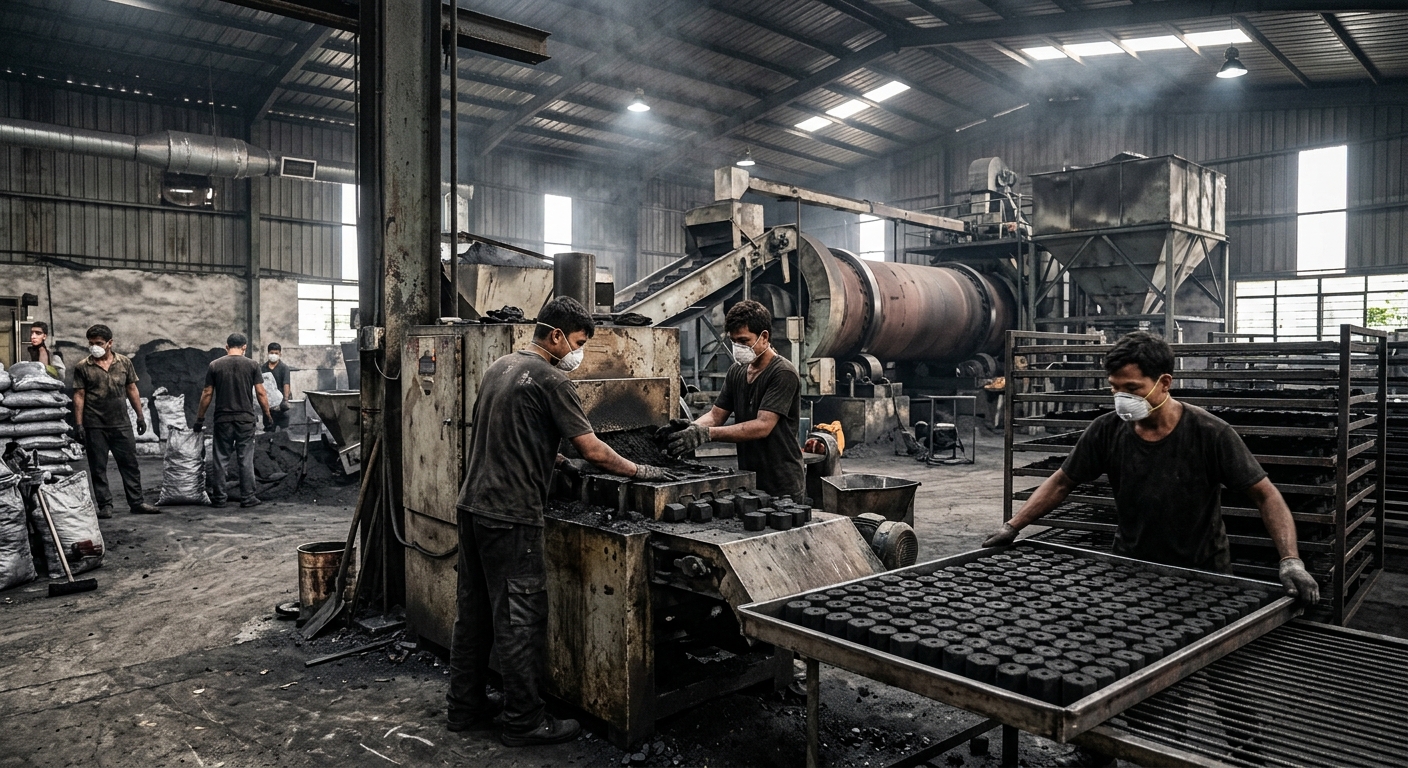
Introduction to the Shisha Charcoal Industry
The global demand for high-quality shisha charcoal has grown exponentially over the past decade. A modern shisha charcoal factory operates at the intersection of traditional resource gathering and advanced manufacturing technology. These factories produce the clean-burning, long-lasting briquettes that hookah enthusiasts around the world rely on for an optimal smoking experience. Understanding how these facilities operate provides insight into the quality control, sustainability efforts, and complex logistics involved in the industry.
The Importance of Sourcing Premium Raw Materials
At the heart of every reputable shisha charcoal factory is the raw material. The industry standard for premium hookah charcoal is coconut shell. Coconut shells are preferred because they produce less ash, burn hotter, and emit minimal odor compared to wood-based alternatives. Factories must establish strong relationships with local farmers and suppliers to ensure a steady influx of high-grade coconut shells.
Once sourced, the raw coconut shells undergo a rigorous selection process. Any impurities or low-quality shells are discarded before the carbonization process begins. This attention to detail is critical for producing the top-tier briquettes expected by consumers and distributors alike. If you are looking to understand more about finding the right manufacturing partner, you should read The Ultimate Guide to Finding a Premium Shisha Charcoal Supplier Factory.
The Carbonization Process
Baking the Coconut Shells
The first major step in transforming raw coconut shells into shisha charcoal is carbonization. The shells are placed into large kilns and baked at extremely high temperatures in a low-oxygen environment. This process, which can take several days, removes moisture and volatile compounds from the shells, leaving behind pure carbon.
Cooling and Crushing
After the carbonization process is complete, the resulting coconut shell charcoal must be cooled safely to prevent spontaneous combustion. Once cooled, the charcoal is crushed into a fine powder. The consistency of this powder is crucial; if it is too coarse, the final briquettes will not hold their shape or burn evenly.
Mixing and Briquetting
The fine charcoal powder is then moved to the mixing area of the shisha charcoal factory. Here, it is combined with a natural binder, typically tapioca starch, and water. The binder ensures that the charcoal powder will stick together when pressed into shapes. It is essential that the binder is 100% natural so it does not affect the taste or smell of the shisha tobacco during use.
The mixture is fed into heavy-duty briquetting machines. These machines use immense pressure to extrude or press the mixture into the desired shapes—most commonly cubes, flats, or hexagons. The precise pressure and mold quality determine the density of the briquettes, which directly impacts their burn time.
Drying and Quality Control
The Drying Ovens
Newly formed briquettes contain a significant amount of moisture from the mixing process. They must be dried thoroughly to ensure they light easily and do not crack when heated. The briquettes are placed on large trays and rolled into industrial drying ovens. The temperature and humidity inside these ovens are strictly monitored. Drying can take anywhere from 24 to 48 hours depending on the size and density of the charcoal.
Rigorous Testing
Quality control is a continuous process within a premium shisha charcoal factory. After drying, samples from each batch are tested for moisture content, ash percentage, drop strength, and burn time. Only batches that meet strict quality parameters are approved for packaging. This meticulous testing is what separates a standard manufacturer from a world-class supplier.
Packaging and Global Distribution
Once the charcoal has passed all quality control tests, it moves to the packaging line. Briquettes are typically packed in inner plastic liners to protect them from moisture during transit, and then placed into branded cardboard boxes. Proper packaging is vital for preserving the integrity of the charcoal, especially when it is being shipped across the globe.
Distribution requires careful logistics planning. Factories export thousands of tons of charcoal annually to various international markets. For European distributors looking to import these products, understanding the market dynamics is essential. A great resource on this topic is Indonesian Hookah Charcoal Importer Germany: The Ultimate Guide to Sourcing Quality Briquettes, which offers deep insights into European distribution.
Environmental Impact and Sustainability
Modern shisha charcoal factories are increasingly focusing on sustainability. By utilizing coconut shells, which are a byproduct of the coconut oil and food industries, these factories are repurposing waste that would otherwise be discarded or burned inefficiently. Furthermore, many factories are investing in eco-friendly kilns that capture and recycle the gases emitted during carbonization, significantly reducing their carbon footprint.
Factory Specifications Summary
Below is a general overview of the typical specifications and outputs of a standard commercial shisha charcoal factory:
| Process Stage | Typical Duration | Key Equipment Used |
|---|---|---|
| Carbonization | 3 - 5 Days | Industrial Kilns |
| Crushing & Mixing | 4 - 8 Hours | Hammer Mills, Industrial Mixers |
| Briquetting | Continuous | Extruder / Pressing Machines |
| Drying | 24 - 48 Hours | Industrial Drying Ovens |
Conclusion
The journey from a raw coconut shell to a premium, glowing cube of shisha charcoal is complex and requires precision at every step. A professional shisha charcoal factory employs a blend of skilled labor, rigorous quality control, and heavy machinery to produce briquettes that meet the high standards of global consumers. As the hookah industry continues to expand, these factories will remain essential, driving innovations in sustainability and manufacturing efficiency to deliver the perfect smoke.
Frequently Asked Questions (FAQ)
What is the best raw material for shisha charcoal?
The industry consensus is that 100% natural coconut shells make the best shisha charcoal. They burn longer, hotter, and produce less ash than wood-based charcoal, without altering the flavor of the shisha.
How is the charcoal shaped into cubes?
After the coconut shell charcoal is crushed into a fine powder and mixed with a natural tapioca binder, it is fed into an extrusion or pressing machine that molds the mixture into precise shapes under high pressure.
Why is ash content important in shisha charcoal?
Low ash content is crucial because excess ash can insulate the charcoal, reducing the heat transferred to the shisha tobacco. It also makes for a cleaner smoking session and easier cleanup afterward. Premium factories aim for an ash content of under 2.5%.
How long does it take to manufacture a batch of shisha charcoal?
From the carbonization of raw shells to the final drying and packaging of the briquettes, the entire process usually takes between one to two weeks, depending on the drying methods and batch size.