The Ultimate Guide to Shisha Charcoal Bulk Order in Indonesia
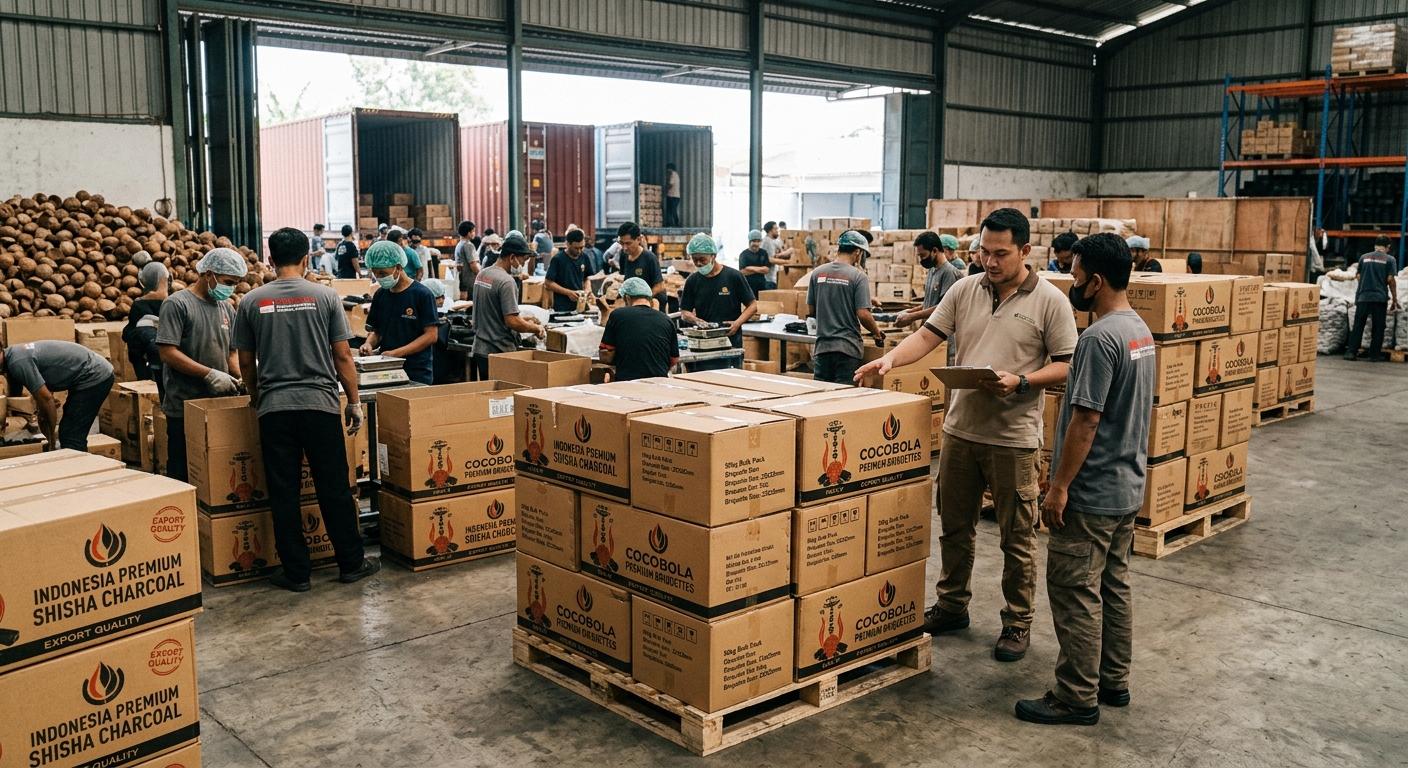
Introduction to Shisha Charcoal Sourcing in Indonesia
When it comes to sourcing the highest quality charcoal for hookah and shisha, Indonesia stands out as the undisputed global leader. The archipelago is blessed with an abundance of coconut plantations, providing the raw material necessary for creating premium coconut shell briquettes. For businesses around the world, placing a shisha charcoal bulk order in Indonesia is a strategic move to ensure steady supply, exceptional quality, and competitive pricing. This comprehensive guide will walk you through the essential aspects of sourcing, evaluating, and purchasing wholesale shisha charcoal directly from Indonesian manufacturers.
Why Indonesia is the Global Hub for Shisha Charcoal
Indonesia's dominance in the shisha charcoal market is not a coincidence. The country's tropical climate is ideal for growing coconuts, yielding shells that are incredibly dense. This high density is crucial for manufacturing charcoal briquettes that burn longer, hotter, and with minimal ash. Unlike quick-light charcoal or wood-based alternatives, Indonesian coconut charcoal is 100% natural, emitting no foul odors or harmful chemicals that could ruin the shisha smoking experience.
The Benefits of Coconut Shell Charcoal
- Long Burn Time: Premium coconut briquettes can burn for over two hours, reducing the need for frequent replacements.
- Low Ash Content: High-quality Indonesian charcoal typically yields less than 2.5% ash, keeping the shisha bowl clean.
- High Heat Output: The dense nature of coconut shells ensures a consistent and high heat profile.
- Odorless and Tasteless: It preserves the authentic flavor of the shisha tobacco.
Understanding Pricing and Wholesale Margins
Navigating the pricing structure of a shisha charcoal bulk order in Indonesia requires an understanding of raw material costs, manufacturing processes, and packaging requirements. Factory prices can fluctuate based on the season, coconut shell availability, and currency exchange rates. However, purchasing directly from a reputable manufacturer allows wholesalers to secure the best possible margins. For a deep dive into how factory pricing works and how to maximize your investment, you should review Premium Hookah Charcoal Factory Price: A Guide for Wholesalers. This resource provides invaluable insights into cost breakdowns and negotiation strategies.
Quality Assurance and Lab Testing
One of the biggest risks when ordering in bulk is inconsistent quality. A single bad batch can damage your brand's reputation. Therefore, strict quality assurance protocols are non-negotiable. Reputable Indonesian factories conduct rigorous lab testing to measure fixed carbon, moisture content, volatile matter, and ash percentage. A high fixed carbon percentage (typically above 75%) indicates a superior product. To understand the importance of these metrics, read Certified Coconut Charcoal Factory Lab Tested: Your Ultimate Guide to Quality Briquettes. Ensuring your supplier provides certified lab results will give you peace of mind and guarantee product consistency.
How to Place a Bulk Order
Placing a shisha charcoal bulk order in Indonesia involves several key steps. First, identify potential suppliers and request samples. Do not skip the sampling phase; testing the product yourself is the only way to verify its burn time, ash color, and structural integrity. Once you are satisfied with a sample, discuss minimum order quantities (MOQs), which are typically one 20-foot container (around 18-20 metric tons).
Packaging and Private Labeling
Most Indonesian manufacturers offer OEM (Original Equipment Manufacturer) services, allowing you to print your brand's logo on the inner boxes and master cartons. Be sure to specify your packaging requirements clearly, including the thickness of the plastic lining (to prevent moisture absorption during transit) and the GSM of the cardboard used for the boxes.
Logistics and Shipping
Shipping charcoal internationally requires careful planning, as charcoal is often classified as a dangerous good (spontaneously combustible) by maritime authorities. However, coconut shell charcoal briquettes typically pass the Self-Heating Test (SHT) and can be shipped as non-hazardous cargo provided the manufacturer supplies a valid Material Safety Data Sheet (MSDS) and an SHT certificate. Ensure your factory has experience dealing with these export documents to avoid delays at customs.
Conclusion
Securing a shisha charcoal bulk order in Indonesia is a highly profitable endeavor for distributors and wholesalers who prioritize quality and due diligence. By understanding the advantages of coconut shell briquettes, navigating factory pricing, demanding certified lab tests, and managing shipping logistics efficiently, you can build a sustainable and lucrative supply chain. Partnering with the right Indonesian manufacturer will not only elevate your product offerings but also cement your reputation as a purveyor of premium shisha accessories.
Frequently Asked Questions
What is the Minimum Order Quantity (MOQ) for a bulk order?
Most reputable factories in Indonesia require a minimum order of one 20-foot shipping container, which holds approximately 18,000 to 20,000 kilograms (18-20 metric tons) of charcoal briquettes, depending on the packaging.
How long does it take to produce a 20-foot container of charcoal?
Production lead times vary depending on the factory's current schedule and your specific packaging requirements. Generally, it takes between 14 to 30 days to produce and package a full 20-foot container.
Why is ash color important in shisha charcoal?
Ash color is a strong indicator of the raw materials used and the manufacturing process. Premium coconut shell charcoal usually produces a white or light gray ash. Brown or dark ash can indicate the presence of impurities or lower-quality wood fillers.
Can I visit the charcoal factory in Indonesia before ordering?
Absolutely. In fact, most transparent and professional manufacturers encourage prospective buyers to visit their facilities. This allows you to inspect the production line, view the raw materials, and build a strong relationship with your supplier.