Comprehensive Guide to Self-Heating Testing: Ensuring Safety and Quality
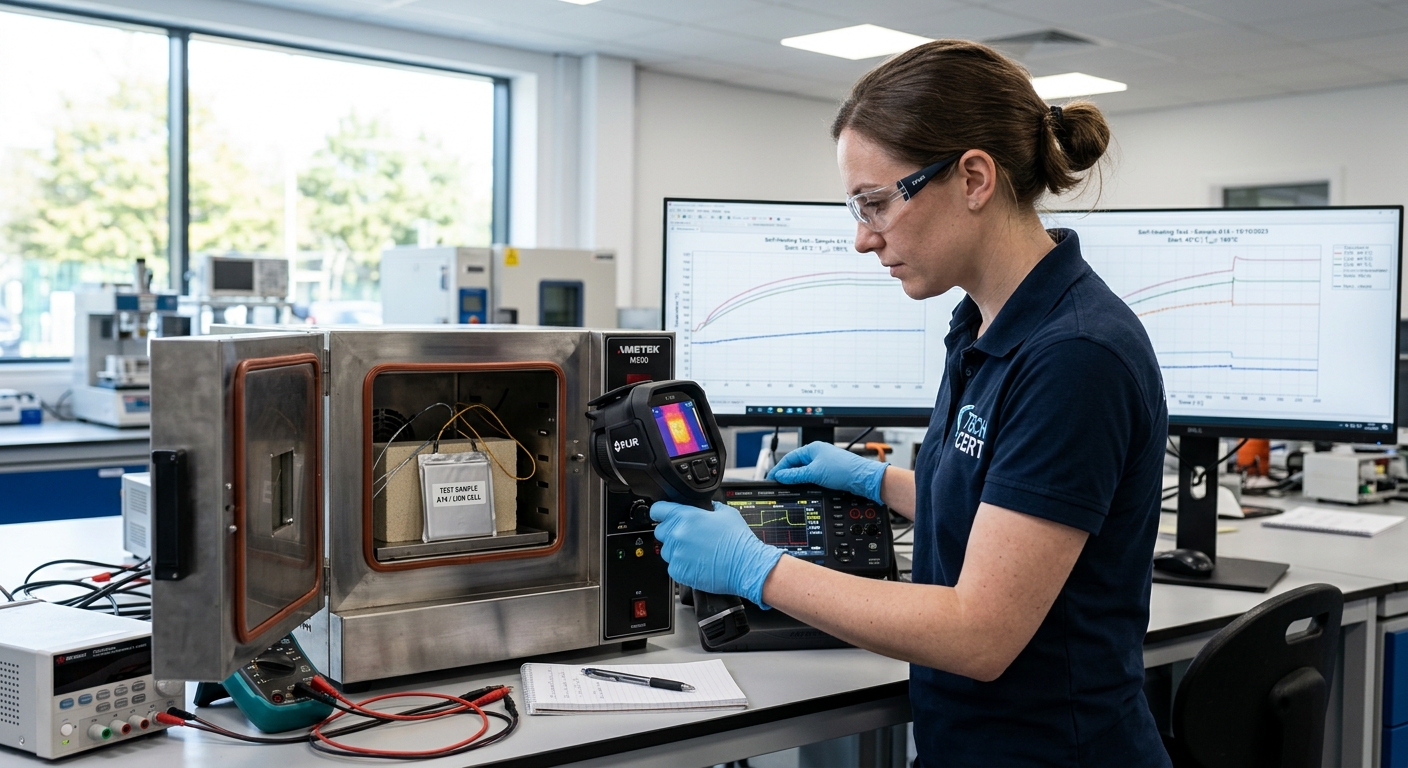
Introduction to Self-Heating Testing
Self-heating testing is a critical evaluation process used to determine the propensity of a material to undergo spontaneous combustion. This phenomenon occurs when a substance generates heat through exothermic chemical or biological reactions faster than the heat can be dissipated to the surroundings. If the temperature continues to rise, the material may eventually ignite without an external heat source. Understanding and mitigating this risk is essential across various industries, particularly in the storage, handling, and transportation of bulk commodities.
Many materials, including agricultural products, coal, wood pellets, and certain chemicals, are susceptible to self-heating. For instance, those involved in the production and distribution of charcoal must be acutely aware of these risks. Whether you are dealing with traditional charcoal or specialized products, rigorous testing is non-negotiable. To learn more about specific types of charcoal and their properties, you can read the Comprehensive Guide to Coconut Briquette Charcoal: Benefits, Production, and Uses.
The Mechanisms Behind Self-Heating
The process of self-heating generally involves oxidation at ambient temperatures. In porous materials, oxygen from the air reacts with the internal surfaces of the material. This reaction produces a small amount of heat. If the material is stored in a large pile or confined space, the insulating effect of the outer layers prevents this heat from escaping.
As the temperature increases, the rate of oxidation also increases, creating a dangerous feedback loop. Biological activity, such as the fermentation of moisture-rich agricultural products, can also initiate self-heating, which may then transition into chemical oxidation at higher temperatures.
Key Factors Influencing Self-Heating
- Moisture Content: The presence of water can catalyze certain reactions or support biological activity, accelerating heat generation.
- Particle Size and Surface Area: Smaller particles have a larger surface area relative to their volume, increasing the rate of oxidation.
- Ambient Temperature: Higher surrounding temperatures reduce the rate of heat dissipation and can trigger self-heating at lower thresholds.
- Storage Volume: Larger volumes provide better insulation, making it harder for generated heat to escape from the center of the mass.
Standard Methodologies for Self-Heating Testing
To accurately assess the self-heating properties of a material, laboratories employ several standardized test methods. These tests are designed to simulate real-world conditions and provide actionable data for safety classifications.
The following table compares two common self-heating test methods based on their specific attributes and applications.
| Test Method | Sample Volume | Test Temperature Range | Primary Application |
|---|---|---|---|
| UN N.4 Test | 100 mm³ and 25 mm³ cubes | 100°C, 120°C, 140°C | Transport classification (Dangerous Goods) |
| Crossing Point Temperature (CPT) | Variable (often cylindrical) | Ambient up to 300°C | Industrial storage risk assessment |
The UN N.4 Test
The UN N.4 test is the internationally recognized standard for classifying self-heating substances for transport. It involves placing the sample in a wire mesh cube, which is then suspended in a hot-air circulating oven. The temperature of the sample and the oven are monitored over 24 hours. If the sample temperature exceeds the oven temperature by 60°C, a positive result is recorded, indicating a propensity for self-heating.
Crossing Point Temperature (CPT) Test
The CPT test involves placing the sample in an oven where the temperature is increased at a steady rate. Thermocouples measure the temperature of both the oven and the center of the sample. The "crossing point" is the temperature at which the sample's temperature overtakes the oven's temperature, indicating that self-heating is occurring. A lower crossing point temperature suggests a higher risk of spontaneous combustion.
Industry Applications and Importance
Self-heating testing is not just a regulatory hurdle; it is a fundamental safety practice. Industries dealing with biomass, coal, and activated carbon rely heavily on these tests. For example, the booming market for coconut charcoal necessitates strict adherence to safety protocols during shipping to prevent catastrophic container fires. For an in-depth look at this industry, check out Carbones de Coco: The Ultimate Guide to Coconut Charcoal.
Maritime Transport
The International Maritime Dangerous Goods (IMDG) Code strictly regulates the transport of self-heating substances. Accurate testing ensures that materials are correctly classified, packaged, and stowed aboard vessels. Failure to comply can result in severe legal and financial repercussions, not to mention the risk to human life and the environment.
Storage Facilities
Warehouse and silo operators use data from self-heating tests to design safe storage solutions. This may involve limiting pile sizes, implementing temperature monitoring systems, or controlling the ambient atmosphere to limit oxygen availability.
Conclusion
Self-heating testing is a vital component of industrial safety and logistics. By scientifically evaluating the thermal stability of materials, industries can prevent spontaneous combustion, protect their assets, and ensure the safety of personnel. As global trade continues to expand, particularly in combustible commodities like biomass and charcoal, the reliance on accurate, standardized self-heating testing will only grow in importance.
Frequently Asked Questions
What exactly is spontaneous combustion?
Spontaneous combustion is the outbreak of fire without application of heat from an external source. It is the end result of runaway self-heating within a material.
Can moisture cause self-heating?
Yes, moisture can facilitate biological activity (like mold or bacterial growth) which generates heat, or it can participate in chemical reactions that produce heat, thereby initiating the self-heating process.
Who regulates the transport of self-heating materials?
The transport of self-heating materials is regulated internationally by frameworks such as the UN Model Regulations on the Transport of Dangerous Goods, the IMDG Code for maritime transport, and the IATA Dangerous Goods Regulations for air transport.
How often should materials be tested?
Materials should be tested whenever there is a change in the manufacturing process, sourcing, or composition, as well as periodically to ensure ongoing compliance with safety and transport regulations.