Premium Indonesia Shisha Charcoal Export: The Ultimate Guide
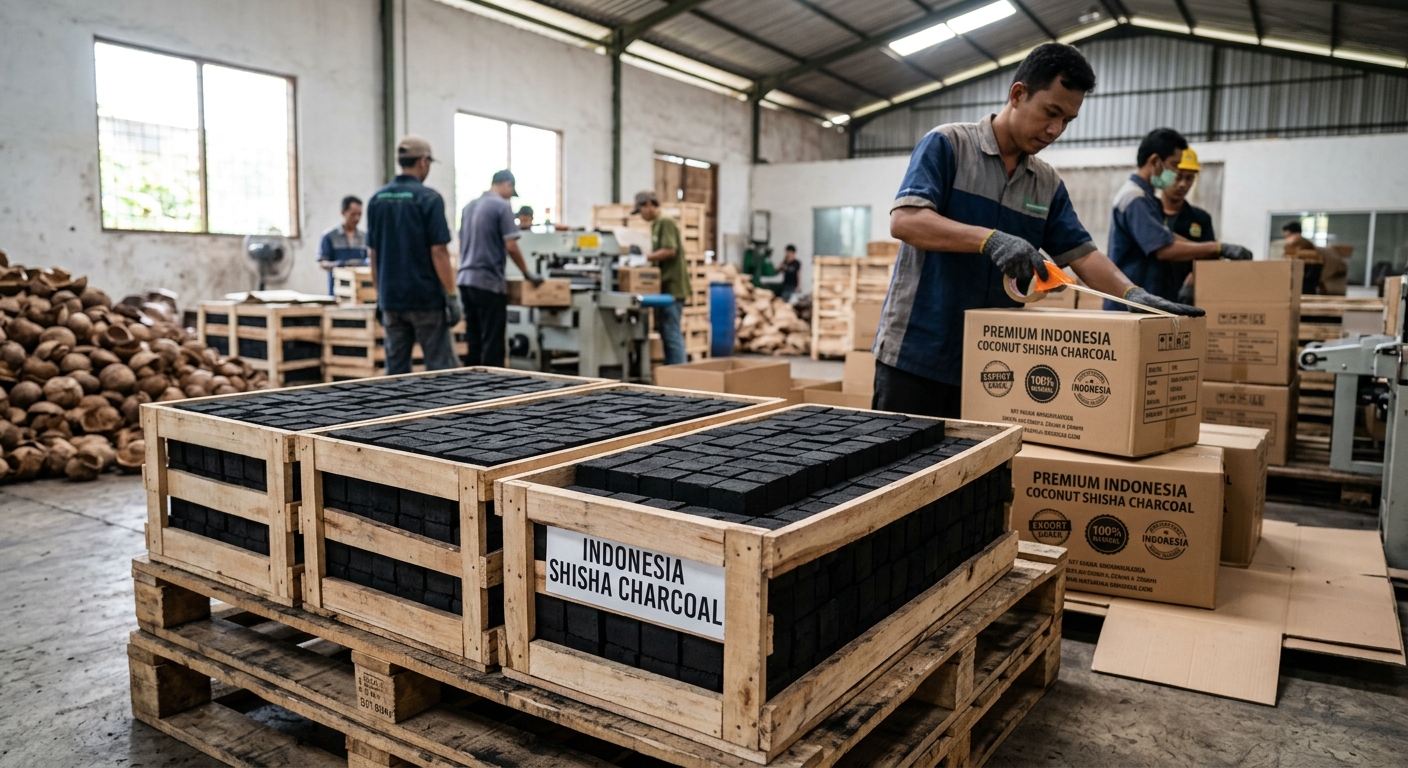
The Rise of Premium Indonesia Shisha Charcoal Export
The global demand for high-quality shisha charcoal has seen a massive surge over the past decade. At the forefront of this booming industry is Indonesia, recognized worldwide as the leading producer and exporter of premium coconut shell charcoal. The country's unique geographical advantages, abundance of raw materials, and refined manufacturing processes make it the undisputed king of the hookah charcoal market. In this comprehensive guide, we will explore the intricacies of the premium Indonesia shisha charcoal export industry, detailing its benefits, production methods, and what international buyers need to know.
Why Indonesian Coconut Charcoal is the Gold Standard
When it comes to shisha smoking, the quality of the charcoal drastically affects the overall experience. Enthusiasts demand charcoal that burns hot, lasts long, produces minimal ash, and, most importantly, does not emit any odor or taste that could interfere with the flavor of the shisha tobacco. Premium Indonesian coconut charcoal ticks all these boxes flawlessly.
Unlike quick-light coals or wood-based charcoal, Indonesian coconut shell charcoal is 100% natural. It is manufactured from mature coconut shells, which are inherently dense. This high density translates into a longer burning time and a consistently high heat output. Furthermore, because it is entirely natural and free from chemical accelerants, it ensures a clean, pure smoking session.
Key Benefits of Premium Indonesian Shisha Charcoal
- Extended Burn Time: High-quality Indonesian charcoal can burn for over two hours, reducing the need for constant replacements during a session.
- Low Ash Content: Typically yielding less than 2.5% ash, it keeps the shisha bowl clean and prevents ash from entering the airflow.
- Odorless and Tasteless: It preserves the authentic flavor of the shisha molasses.
- Eco-Friendly: Made from coconut shells, a byproduct of the copra and coconut oil industries, it requires no tree cutting.
The Production Process: From Coconut Shell to Premium Charcoal
The journey of premium Indonesia shisha charcoal begins long before it reaches international markets. The production process is meticulous, requiring strict quality control at every stage to ensure the final product meets global standards.
1. Sourcing the Raw Material
The first and most crucial step is sourcing mature, high-quality coconut shells. Indonesia's vast archipelagic landscape provides an abundant supply of coconuts, particularly from regions like Sulawesi, Sumatra, and Java. Only fully matured shells are selected, as younger shells lack the necessary density and will result in inferior charcoal that burns too quickly and produces excessive ash.
2. Carbonization
Once collected, the coconut shells undergo carbonization. This is typically done in traditional kilns or modern retort systems where the shells are burned in a low-oxygen environment. This process removes moisture and volatile compounds, leaving behind pure carbon (charcoal). The quality of the carbonization process directly impacts the fixed carbon level of the final product, which should ideally be above 75% for premium shisha charcoal.
3. Crushing, Grinding, and Mixing
The carbonized shells are then crushed and ground into a fine powder. This powder is mixed with a natural, food-grade binder, usually tapioca starch, to help the charcoal maintain its shape during pressing. A small amount of water is added to create a workable paste. The ratio of tapioca binder must be precise; too much binder can cause the charcoal to produce an unpleasant smell and excessive smoke when lit.
4. Briquetting and Extrusion
The charcoal paste is fed into briquetting or extrusion machines, where it is molded into specific shapes under high pressure. The most popular shapes for shisha charcoal are cubes (typically 22mm, 25mm, or 26mm), flats, and hexagonal logs. The high pressure ensures the briquettes are incredibly dense, contributing to their long burn time.
5. Drying and Quality Control
The freshly formed briquettes contain moisture that must be removed. They are placed in large industrial ovens and baked at specific temperatures for 24 to 48 hours until the moisture content drops below 5%. Before packaging, the charcoal undergoes rigorous quality control. A drop test is performed to ensure the briquettes do not shatter easily, and sample batches are burned to test for ignition time, heat output, ash color, and longevity.
Navigating the Export Market
Exporting premium shisha charcoal from Indonesia involves understanding international regulations, logistics, and market demands. For businesses in North America, for instance, learning about the Indonesian Hookah Charcoal Wholesale Canada: A Comprehensive Guide provides valuable insights into tapping into specific regional markets.
Packaging and Branding
In the premium export market, packaging is just as important as the product itself. Charcoal must be packaged securely to prevent moisture absorption and physical damage during transit. Manufacturers offer OEM (Original Equipment Manufacturer) services, allowing buyers to customize the inner plastic lining, the inner printed boxes, and the outer master cartons with their own branding.
Shipping and Logistics
Shisha charcoal is primarily shipped via sea freight in 20-foot or 40-foot containers. Because coconut charcoal briquettes are considered a safe, non-hazardous cargo (unlike some highly volatile wood charcoals), they do not require strict dangerous goods handling. However, proper documentation, including a Material Safety Data Sheet (MSDS), Certificate of Origin, and a Self-Heating Test certificate (SHT), is required by shipping lines and customs authorities.
For buyers looking to establish a secure supply chain, understanding the intricacies of importation is vital. You can find excellent resources by reading How to Import Charcoal from Indonesia: A Comprehensive Guide, which outlines the necessary steps and paperwork required for a smooth transaction.
Global Market Dynamics and Future Trends
The premium Indonesia shisha charcoal export market is dynamic and constantly evolving. The Middle East, Europe, and North America remain the largest consumers, but emerging markets in South America and parts of Asia are showing rapid growth.
| Region | Demand Characteristics | Preferred Charcoal Shape |
|---|---|---|
| Middle East | High volume, demands extremely long burn time | Hexagonal, Large Cubes (26mm) |
| Europe | Strict on ash color (white preferred) and eco-friendly standards | Cubes (25mm, 26mm) |
| North America | High focus on branding, premium quality, and odorless burn | Cubes (22mm, 25mm), Flats |
| Russia / CIS | Requires high heat output for specific tobacco types | Cubes (25mm) |
Looking ahead, the industry is shifting towards even stricter quality standards and sustainable practices. Buyers are increasingly auditing factories to ensure fair labor practices and environmentally responsible sourcing of raw materials.
Conclusion
The premium Indonesia shisha charcoal export industry is a testament to the country's ability to turn an abundant natural resource into a highly sought-after global commodity. For shisha enthusiasts, the quality of Indonesian coconut charcoal is unmatched, providing a clean, long-lasting, and flavor-neutral heat source. For importers and businesses, the market offers robust opportunities for growth, provided they navigate the supply chain, quality control, and logistics with diligence. As global demand continues to rise, Indonesia's position as the premier supplier of shisha charcoal remains secure, driven by relentless dedication to quality and natural manufacturing processes.
Frequently Asked Questions
What makes Indonesian coconut charcoal better for shisha than wood charcoal?
Indonesian coconut charcoal is denser than wood charcoal, which allows it to burn hotter and last significantly longer. Furthermore, it produces far less ash and does not emit the smoke, odors, or flavors that wood charcoal can, ensuring the pure taste of the shisha tobacco is preserved.
How long does premium Indonesian shisha charcoal last?
Depending on the size of the cube and the airflow setup of the hookah, premium Indonesian coconut charcoal can burn consistently for 1.5 to 2.5 hours, greatly outperforming quick-light coals and lesser-quality alternatives.
What is the minimum order quantity (MOQ) for exporting charcoal from Indonesia?
Typically, the most cost-effective way to export is by container load. A 20-foot container (FCL) usually holds around 18 metric tons of charcoal. While some manufacturers may accept smaller LCL (Less than Container Load) orders, the shipping costs per kilogram become significantly higher.
Does coconut charcoal contain chemicals to help it light faster?
No, premium 100% natural coconut charcoal does not contain chemical accelerants (unlike quick-light coals). Because it is highly dense and natural, it requires a dedicated heat source, such as a coil burner or a gas stove, to ignite properly. It usually takes about 10-15 minutes to become fully lit and covered in a fine layer of ash.