Premium Indonesia Hookah Charcoal Suppliers: Your Ultimate Guide
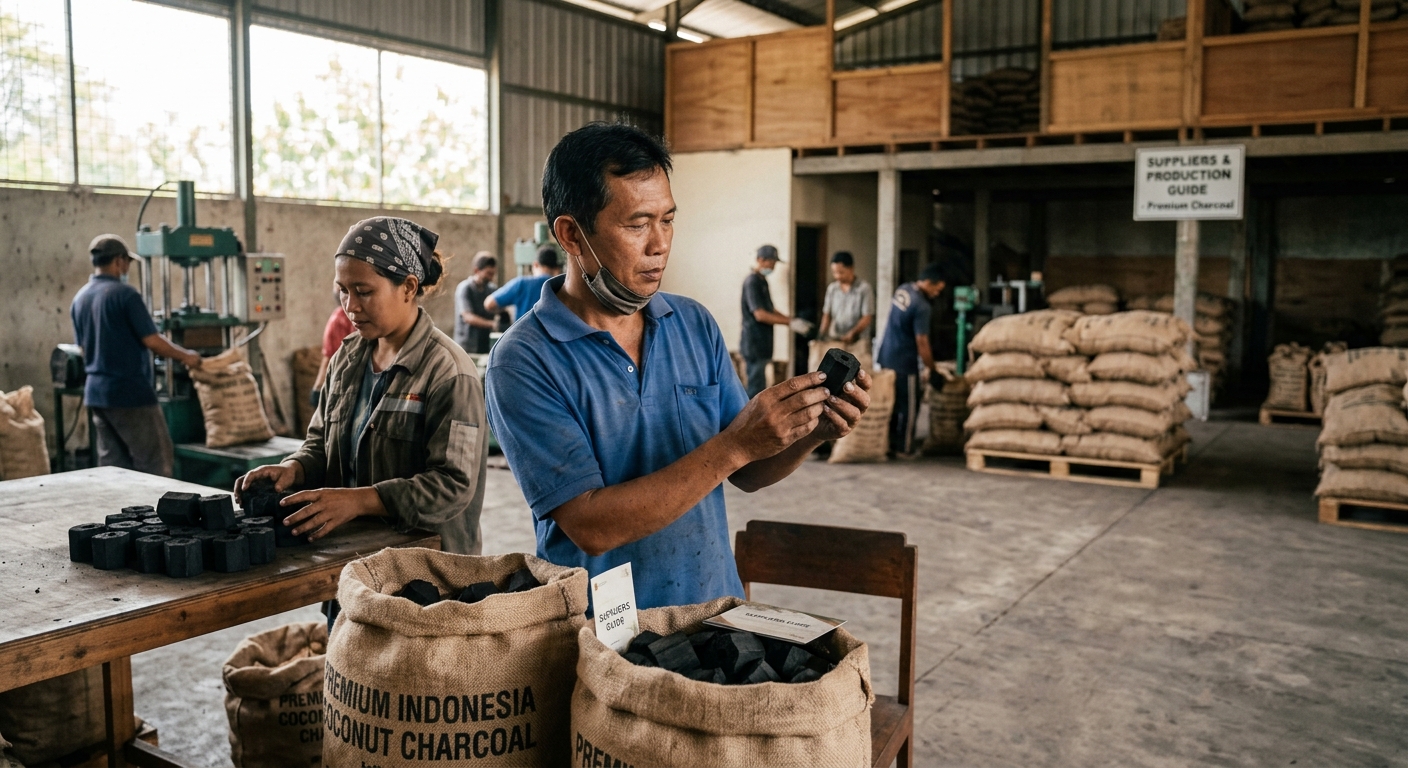
Introduction to Premium Indonesia Hookah Charcoal Suppliers
The global hookah market has seen significant growth in recent years, and at the heart of an excellent hookah experience is the quality of the charcoal used. Among the various types of charcoal available globally, coconut shell charcoal from Indonesia has emerged as the gold standard. Indonesia is the world's leading producer of coconuts, providing an abundant and sustainable source of raw material for manufacturing premium hookah charcoal. Partnering with premium Indonesia hookah charcoal suppliers guarantees a superior product that burns longer, hotter, and cleaner, ensuring an optimal smoking experience.
Understanding the intricacies of this market, from the manufacturing process to the final product's quality attributes, is crucial for distributors, lounge owners, and enthusiasts alike. By choosing top-tier suppliers, businesses can ensure they are providing their customers with the best possible product, free from harmful chemicals and unwanted odors.
Why Choose Indonesian Coconut Charcoal?
Indonesia's dominance in the hookah charcoal industry is not by chance. The country offers a unique combination of natural resources and manufacturing expertise. Coconut shell charcoal is highly preferred over traditional wood or quick-light charcoal for several compelling reasons.
Sustainability and Eco-Friendliness
Unlike wood charcoal, which requires the cutting down of trees, coconut shell charcoal is made from agricultural waste. The shells are a byproduct of the copra (dried coconut meat) industry. Utilizing these shells to create charcoal prevents them from ending up in landfills and provides a highly sustainable, eco-friendly energy source.
Superior Burn Qualities
Premium coconut charcoal from Indonesia is renowned for its high density. This density translates to a much longer burn time compared to other charcoal types. Furthermore, it burns at a consistent, high temperature, which is essential for properly heating the shisha tobacco without burning it. It also produces significantly less ash, keeping the hookah setup cleaner and preventing ash from tainting the flavor of the smoke.
Odorless and Tasteless
One of the most critical factors for hookah smokers is preserving the flavor of the shisha. If you are wondering What Do You Smoke Out of a Hookah? A Comprehensive Guide, the answer often involves carefully blended, flavored tobacco. Low-quality charcoal can emit sulfurous or chemical odors that ruin the taste. Premium Indonesian coconut charcoal is 100% natural, containing no chemical additives or sulfur, meaning it is completely odorless and tasteless once fully lit.
The Manufacturing Process of Premium Charcoal
The journey from coconut shell to premium hookah charcoal involves a meticulous, multi-step process. The quality of the final product relies heavily on the strict control of each of these stages by the suppliers.
1. Sourcing and Carbonization
The process begins with sourcing mature, high-quality coconut shells. These shells are then carbonized (burned in a low-oxygen environment) to create raw charcoal. The temperature and duration of the carbonization process are critical to ensuring the raw charcoal has a high fixed carbon content and low volatile matter.
2. Crushing and Mixing
The raw carbonized shells are crushed into a fine powder. This powder is then mixed with a natural binder, usually tapioca starch, and water. No chemical accelerants or artificial fillers are used by reputable premium suppliers.
3. Briquetting and Drying
The mixture is extruded or pressed into the desired shapes, most commonly cubes (e.g., 22mm, 25mm, or 26mm), flats, or hexagonal logs. The wet briquettes are then dried in large industrial ovens at specific temperatures to reduce the moisture content to below 5%. Proper drying is essential to prevent the charcoal from cracking or splitting during use.
Evaluating Premium Indonesia Hookah Charcoal Suppliers
When looking to source charcoal from Indonesia, it is essential to partner with reliable and transparent suppliers. Here are the key factors to consider:
- Quality Control (QC): Ensure the supplier has strict QC measures in place, from raw material sourcing to final packaging. Ask for lab test reports detailing moisture, ash, volatile matter, and fixed carbon percentages.
- Production Capacity: Verify that the supplier can meet your volume requirements consistently, especially if you are a large distributor.
- Customization (OEM): Many top suppliers offer OEM services, allowing you to customize the charcoal shape, size, and packaging to build your own brand.
- Certifications: Look for suppliers that hold relevant certifications, which demonstrate a commitment to standardized, high-quality production processes.
For those interested in a deeper dive into the specific characteristics and terminology of hookah charcoal, reading A Comprehensive Guide to Carbon Para Hookah: Everything You Need to Know provides excellent insights into selecting the right product for your needs.
Comparing Charcoal Shapes for Hookah
Premium suppliers offer various shapes of charcoal, each serving slightly different preferences and heat management devices (HMDs). Below is a comparison of the most popular coconut charcoal shapes used in the hookah industry.
| Charcoal Shape | Typical Dimensions | Burn Time (Approx.) | Best Used For |
|---|---|---|---|
| Standard Cube | 25mm x 25mm x 25mm | 90 - 120 minutes | General use, most HMDs, foil setups |
| Large Cube | 26mm x 26mm x 26mm | 100 - 130 minutes | Larger bowls, extended sessions |
| Flat | 25mm x 25mm x 15mm | 60 - 90 minutes | Quick heat adjustments, shallow bowls |
| Hexagonal | 20mm x 50mm (cylinder) | 90 - 110 minutes | Traditional setups, easy stacking |
Conclusion
Sourcing from premium Indonesia hookah charcoal suppliers is a strategic move for any business operating in the shisha industry. The unparalleled quality, sustainability, and performance of Indonesian coconut shell charcoal make it the preferred choice for discerning hookah smokers worldwide. By understanding the manufacturing process and knowing what criteria to evaluate when selecting a supplier, businesses can ensure a steady supply of top-tier products. Investing in high-quality charcoal not only enhances the smoking experience but also builds brand reputation and customer loyalty in a competitive market.
Frequently Asked Questions
Why is Indonesian coconut charcoal considered the best for hookah?
Indonesian coconut charcoal is considered the best because it is made from dense, high-quality coconut shells, resulting in charcoal that burns hotter, lasts longer, and produces less ash than wood or quick-light alternatives. It is also 100% natural and does not alter the flavor of the shisha.
How long does premium coconut charcoal take to light?
Because premium coconut charcoal does not contain chemical accelerants, it typically takes about 10 to 15 minutes to fully light using an electric coil burner or gas stove. The charcoal should be glowing red all the way through before being placed on the hookah.
What is fixed carbon, and why does it matter?
Fixed carbon is the solid combustible residue that remains after a coal particle is heated and the volatile matter is expelled. In hookah charcoal, a higher fixed carbon percentage (typically 75% or higher in premium products) indicates a hotter, longer, and cleaner burn.
Can I request custom packaging from Indonesian suppliers?
Yes, most premium Indonesia hookah charcoal suppliers offer OEM (Original Equipment Manufacturer) services. This allows buyers to request specific charcoal shapes, sizes, inner box designs, and master carton branding tailored to their specific market needs.