Long Burn Indonesian Hookah Charcoal: The Ultimate Guide
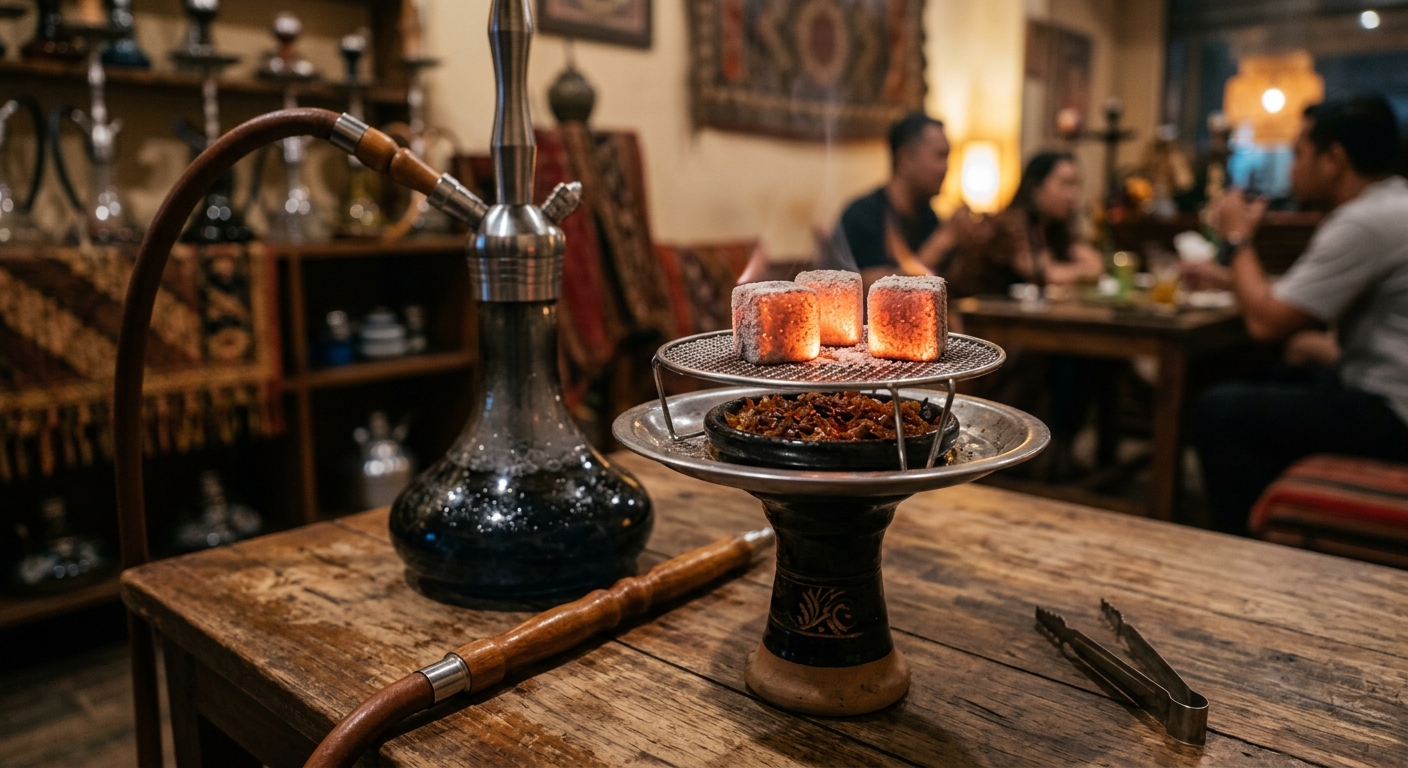
Introduction to Indonesian Hookah Charcoal
For shisha enthusiasts and lounge owners alike, the quality of the charcoal used can make or break the smoking experience. Among the myriad of options available on the global market, long burn Indonesian hookah charcoal stands out as the gold standard. Made primarily from high-quality coconut shells, this premium charcoal offers an unmatched combination of longevity, minimal ash production, and absolute neutrality in flavor. Understanding what makes this product so superior requires a deep dive into its origins, manufacturing processes, and the undeniable benefits it brings to every session.
The Secret Behind the Long Burn
The primary reason Indonesian charcoal is renowned for its extended burning time is the raw material used: mature coconut shells. Indonesia is one of the world's largest producers of coconuts, providing an abundant and sustainable source of raw materials. When these shells are carbonized and compressed under immense pressure, they create an incredibly dense briquette. This density is the key to a long burn, often lasting upwards of two hours, which allows for prolonged smoking sessions without the constant need to replenish the coals.
High Density and Heat Retention
The manufacturing process in Indonesia has been refined over decades. Premium manufacturers ensure that the charcoal is compressed tightly, removing excess moisture and air pockets. This results in a product that not only burns longer but also maintains a consistent heat output. Consistent heat is crucial for baking the shisha tobacco evenly, rather than burning it, thereby producing thick, flavorful clouds from start to finish.
Benefits of Using Indonesian Coconut Charcoal
Switching to high-quality Indonesian charcoal offers numerous advantages for both casual smokers and commercial shisha lounges. The benefits extend beyond just the burning time, encompassing health, environmental, and experiential factors.
- Zero Taste and Odor: Unlike quick-light coals or wood-based charcoals, premium coconut charcoal from Indonesia does not emit sulfur or chemical smells when lit, ensuring the pure flavor of your shisha is preserved.
- Low Ash Production: These briquettes leave behind very little ash (typically less than 2.5%), which means less mess and a lower chance of ash falling into your bowl and ruining the flavor.
- Eco-Friendly: Sourced from coconut shells, a byproduct of the copra industry, this charcoal does not require a single tree to be cut down, making it a highly sustainable choice.
- Durability: The high density prevents the coals from cracking or snapping when dropped or handled with tongs.
When looking to source the best materials for your business or personal use, it is highly recommended to read up on the Top Indonesia Hookah Charcoal Suppliers: A Comprehensive Guide. This resource can help you navigate the vast market and find reliable partners.
The Manufacturing Process
The journey from a coconut on a tree to a glowing ember on your hookah bowl is fascinating and requires meticulous quality control at every step.
1. Carbonization
First, the raw coconut shells are collected and cleaned. They are then burned in a controlled, oxygen-limited environment—a process known as carbonization. This step converts the shells into charcoal while driving off volatile compounds and moisture.
2. Crushing and Mixing
The carbonized shells are then crushed into a fine powder. To bind this powder into briquettes, manufacturers mix it with a natural, food-grade binder, usually tapioca starch. The quality and ratio of this binder are critical; too much can cause the charcoal to smoke or smell, while too little will result in fragile briquettes.
3. Molding and Pressing
The mixture is extruded through heavy machinery into the desired shapes—most commonly cubes, flats, or hexagonal logs. The high pressure used during extrusion ensures the high density required for a long-burning coal.
4. Drying and Quality Control
Finally, the briquettes are baked in large industrial ovens to remove any remaining moisture. A strict quality control process follows, where samples are tested for ash content, moisture levels, drop tests, and burn duration before being packaged and shipped globally.
For those interested in diving deeper into the manufacturing side of things, we suggest you Discover the Best Indonesia Shisha Charcoal Manufacturer: A Complete Guide to understand what sets top-tier factories apart from the rest.
Choosing the Right Charcoal for Your Setup
Not all Indonesian charcoal is created equal, and different shapes serve different purposes depending on your smoking preferences and the type of bowl or heat management device (HMD) you are using.
Below is a comparison of the most common shapes of Indonesian hookah charcoal to help you determine which is best for your setup.
| Charcoal Shape | Dimensions | Best Suited For | Average Burn Time |
|---|---|---|---|
| 25mm Cube | 25x25x25mm | Traditional foil, large HMDs | 90 - 120 mins |
| 22mm Cube (C22) | 22x22x22mm | Smaller bowls, standard HMDs | 75 - 90 mins |
| Flat | 25x25x15mm | Quick heat adjustments, foil | 60 - 80 mins |
| Hexagonal | 20x50mm | Large capacity bowls, lounges | 100 - 130 mins |
Conclusion
Long burn Indonesian hookah charcoal has rightfully earned its reputation as the premier choice for shisha smokers globally. Through the sustainable use of dense coconut shells and refined manufacturing processes, these coals offer unparalleled heat consistency, longevity, and flavor neutrality. Whether you are running a high-volume lounge or enjoying a quiet session at home, investing in premium Indonesian charcoal will elevate your hookah experience significantly. By understanding the manufacturing process and knowing how to select the right shape and supplier, you can ensure that every session is smooth, flavorful, and long-lasting.
Frequently Asked Questions (FAQ)
Why does Indonesian coconut charcoal burn longer than wood charcoal?
Indonesian coconut charcoal burns longer because coconut shells are naturally denser than most woods. When compressed during manufacturing, this density is increased further, allowing the coal to retain heat and burn slowly for up to two hours.
Does coconut charcoal taste like coconuts?
No, high-quality coconut charcoal does not taste or smell like coconuts. The carbonization process removes all the natural oils and volatile compounds from the shells, resulting in a 100% neutral heat source that will not alter the flavor of your shisha.
How should I light long burn Indonesian hookah charcoal?
Because of its high density, this charcoal cannot be lit with a standard cigarette lighter. You must use an electric coil burner or a gas stove. It typically takes 8 to 12 minutes to light fully. Ensure the coals are glowing red all the way through before placing them on your hookah to avoid inhaling carbon monoxide and to ensure optimal heat.
How can I tell if the Indonesian charcoal I bought is of high quality?
High-quality Indonesian charcoal should be uniform in shape, leave very little, lightly colored ash (not dark grey or black), have no chemical smell when lighting, and should not easily crack or break when dropped from a moderate height.