Indonesian Hookah Charcoal Supplier USA: Your Complete Guide to Sourcing the Best Briquettes
Introduction to Indonesian Hookah Charcoal
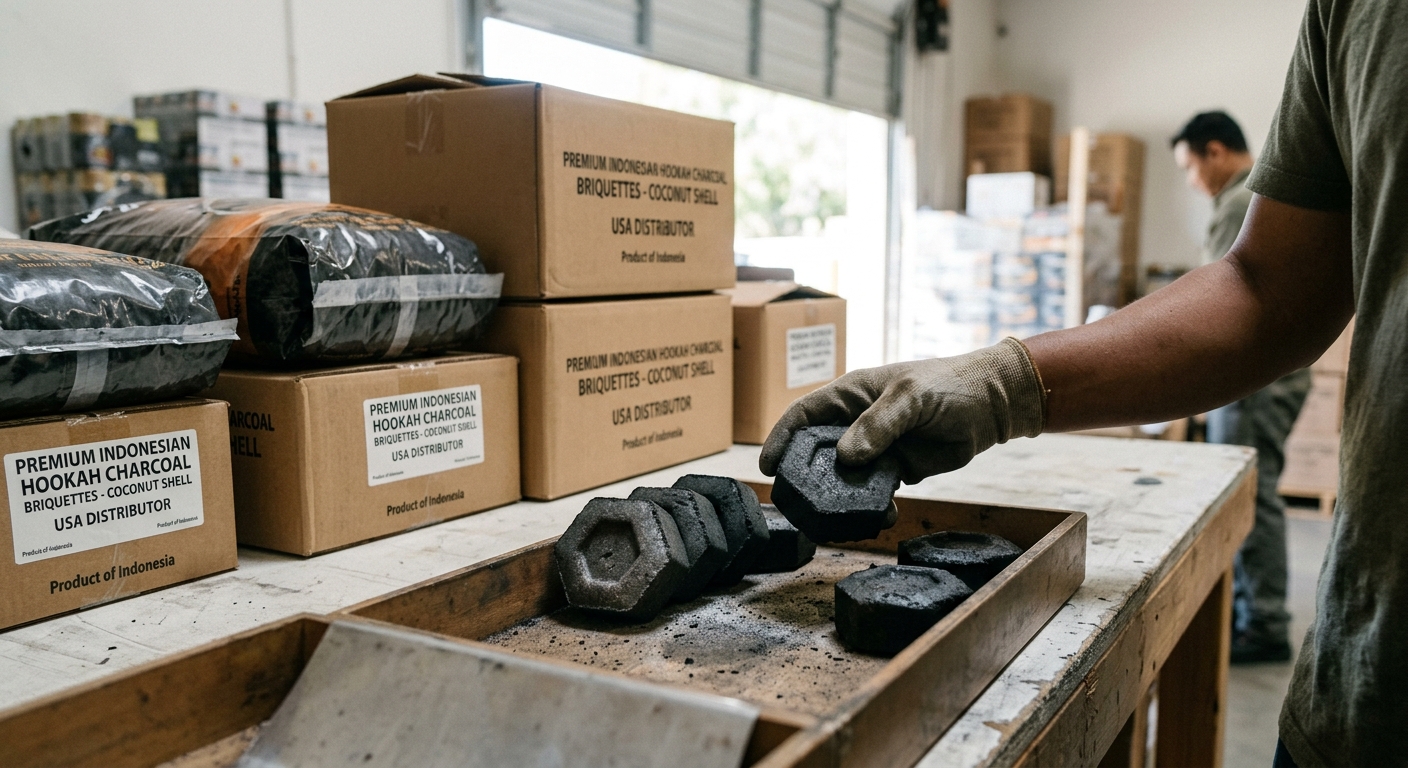
In recent years, the demand for premium hookah experiences has skyrocketed across the United States. Connoisseurs and casual smokers alike have come to realize that the quality of the charcoal used significantly impacts the overall shisha session. Among the various types of charcoal available globally, Indonesian coconut charcoal has emerged as the gold standard. For businesses looking to tap into this lucrative market, partnering with a reliable Indonesian hookah charcoal supplier USA is an essential step.
Indonesia is the world's leading producer of coconuts, making it the epicenter for high-quality coconut shell charcoal briquettes. These briquettes are celebrated for their clean burn, high heat output, minimal ash production, and lack of odor or taste, which preserves the pure flavor of the shisha tobacco. This article will delve deep into why Indonesian charcoal is superior, how to find the right supplier, the logistics of importing to the USA, and what makes a successful B2B partnership in this industry.
Why Choose Indonesian Coconut Charcoal?
The choice of charcoal is paramount in the hookah industry. While quick-light coals offer convenience, they often contain chemical accelerants that can taint the flavor of the shisha and produce unpleasant odors. Natural wood charcoal is an improvement but can spark and burn unevenly. This is where Indonesian coconut charcoal shines.
The Benefits of Coconut Shell Charcoal
- High Heat and Long Burn Time: Coconut charcoal burns hotter and longer than other types, often lasting up to two hours per briquette. This means fewer coal changes during a session.
- Low Ash Content: Premium Indonesian briquettes produce very little ash, usually less than 2.5%. This keeps the hookah setup clean and prevents ash from falling into the tobacco bowl.
- Odorless and Tasteless: Because it is made from 100% natural coconut shells without chemical additives, it does not interfere with the delicate flavors of the shisha.
- Eco-Friendly: Utilizing coconut shells, a byproduct of the copra industry, means no trees are cut down to produce this charcoal, making it a highly sustainable option.
Sourcing the Right Supplier for the US Market
Finding a trustworthy supplier halfway across the globe can be a daunting task. However, with the right approach and due diligence, you can establish a robust supply chain. When looking for an Indonesian hookah charcoal supplier USA, there are several key factors to consider.
Quality Control and Manufacturing Standards
Not all charcoal is created equal, even in Indonesia. The manufacturing process—from carbonization and crushing to mixing with a natural binder (like tapioca starch) and pressing—must be meticulously controlled. When vetting suppliers, inquire about their quality control measures. Do they test for moisture content, fixed carbon, and ash levels? A reputable supplier will readily provide specification sheets and lab test results.
For those looking to dive deeper into the nuances of sourcing for B2B operations, reading up on Coconut Charcoal Briquettes B2B Exporter: The Ultimate Sourcing Guide is highly recommended. It offers invaluable insights into establishing solid supplier relationships and understanding the metrics that define premium quality.
Production Capacity and Consistency
If you are planning to distribute or retail in the USA, consistency in both quality and supply is critical. Your supplier must have the production capacity to meet your demands, especially during peak seasons. Ask potential partners about their monthly output capabilities and their track record of fulfilling large orders on time.
Navigating the Bulk Ordering Process
Once you have identified a potential supplier, the next step is managing the bulk ordering process. This involves negotiating terms, understanding minimum order quantities (MOQs), and ensuring that the final product meets your specifications before it leaves the factory.
Customization and OEM Services
Many US businesses prefer to sell charcoal under their own brand. A good Indonesian supplier will offer Original Equipment Manufacturer (OEM) services. This includes custom shapes and sizes (e.g., cubes, flats, hexagonal), as well as custom packaging design. Be clear about your requirements upfront to avoid any misunderstandings during production.
To navigate the complexities of placing large orders, it's beneficial to consult comprehensive resources. For instance, The Ultimate Guide to Shisha Charcoal Bulk Order in Indonesia provides a step-by-step approach to ensuring your large-scale purchases go smoothly, from initial sampling to final production.
Logistics: Importing Charcoal from Indonesia to the USA
Importing charcoal into the United States involves navigating a complex web of logistics, customs regulations, and shipping requirements. Because charcoal is a combustible material, it is classified as a hazardous material (Hazmat) by shipping lines, which adds a layer of complexity to the process.
Shipping and Hazmat Regulations
Coconut charcoal briquettes are generally classified under UN Number 1361 (Carbon). To ship them safely and legally, the supplier must provide a Self-Heating Test certificate (often referred to as an SHT or Vanning Certificate) from an independent laboratory, proving that the charcoal will not spontaneously combust during transit.
| Document Needed | Purpose |
|---|---|
| Commercial Invoice | Details the transaction between the buyer and seller for customs valuation. |
| Packing List | Provides details on the contents of the shipment, including weight and dimensions. |
| Bill of Lading (B/L) | The contract of carriage and receipt for the goods issued by the shipping line. |
| Certificate of Origin | Proves that the goods were manufactured in Indonesia (important for tariff classification). |
| Self-Heating Test Certificate | Required by shipping lines to prove the charcoal is safe for ocean transport. |
| Material Safety Data Sheet (MSDS) | Provides handling and safety information about the product. |
Customs Clearance in the USA
Upon arrival at a US port, the shipment must clear customs. Working with a licensed US Customs Broker is highly recommended. They will ensure that all paperwork is in order, duties are paid, and the cargo is released without unnecessary delays. The Harmonized Tariff Schedule (HTS) code for coconut shell charcoal is typically 4402.90.00, but it is always best to verify this with your broker to ensure compliance with the latest regulations.
Building a Long-Term B2B Relationship
Success in the charcoal distribution business is rarely achieved through one-off transactions. Building a long-term, mutually beneficial relationship with your Indonesian supplier is key to maintaining product consistency and securing favorable pricing over time.
Communication and Cultural Understanding
Effective communication is the cornerstone of any international business relationship. Be mindful of time zone differences and language barriers. While many Indonesian export managers speak excellent English, being clear, concise, and patient goes a long way. Understanding cultural nuances and showing respect for local business practices can significantly strengthen your partnership.
Regular Audits and Visits
If your budget allows, visiting the factory in Indonesia is one of the best investments you can make. It allows you to see the production process firsthand, verify working conditions, and build personal rapport with the management team. If a physical visit isn't possible, request regular video calls and virtual tours of the facility to stay updated on their operations.
Conclusion
Finding and partnering with a reliable Indonesian hookah charcoal supplier USA is a strategic move that can elevate your business in the competitive shisha market. By prioritizing high-quality coconut charcoal, understanding the intricacies of B2B sourcing, and navigating the logistical challenges of importing, you can ensure a steady supply of premium briquettes for your American customers. Remember that thorough research, effective communication, and adherence to safety and customs regulations are the pillars of a successful international trade venture in the charcoal industry.
Frequently Asked Questions (FAQ)
What makes Indonesian coconut charcoal better than wood charcoal?
Indonesian coconut charcoal burns hotter, lasts longer, and produces significantly less ash than traditional wood charcoal. Furthermore, it is completely natural and odorless, ensuring it doesn't interfere with the flavor of the hookah tobacco. It is also an eco-friendly option as it uses coconut shells rather than cutting down trees.
How long does it take to ship charcoal from Indonesia to the USA?
Ocean freight transit times from Indonesian ports (such as Semarang, Surabaya, or Jakarta) to US ports can vary widely depending on the destination port and the shipping route. Generally, it takes between 30 to 45 days to reach the West Coast and 45 to 60 days to reach the East Coast, not including customs clearance time.
Why is charcoal considered a hazardous material for shipping?
Charcoal is classified as a hazardous material because it has the potential for self-heating and spontaneous combustion under certain conditions. Therefore, shipping lines require stringent testing (like the Self-Heating Test) and proper documentation (MSDS) to ensure the cargo is safe for transport on container ships.
Can I get my charcoal packaged with my own brand logo?
Yes, most reputable Indonesian charcoal suppliers offer OEM (Original Equipment Manufacturer) services. This allows you to customize the size and shape of the briquettes as well as design your own retail packaging, inner boxes, and master cartons to build your brand identity in the USA market.