Indonesian Coconut Charcoal Briquettes Wholesale: The Ultimate B2B Sourcing Guide
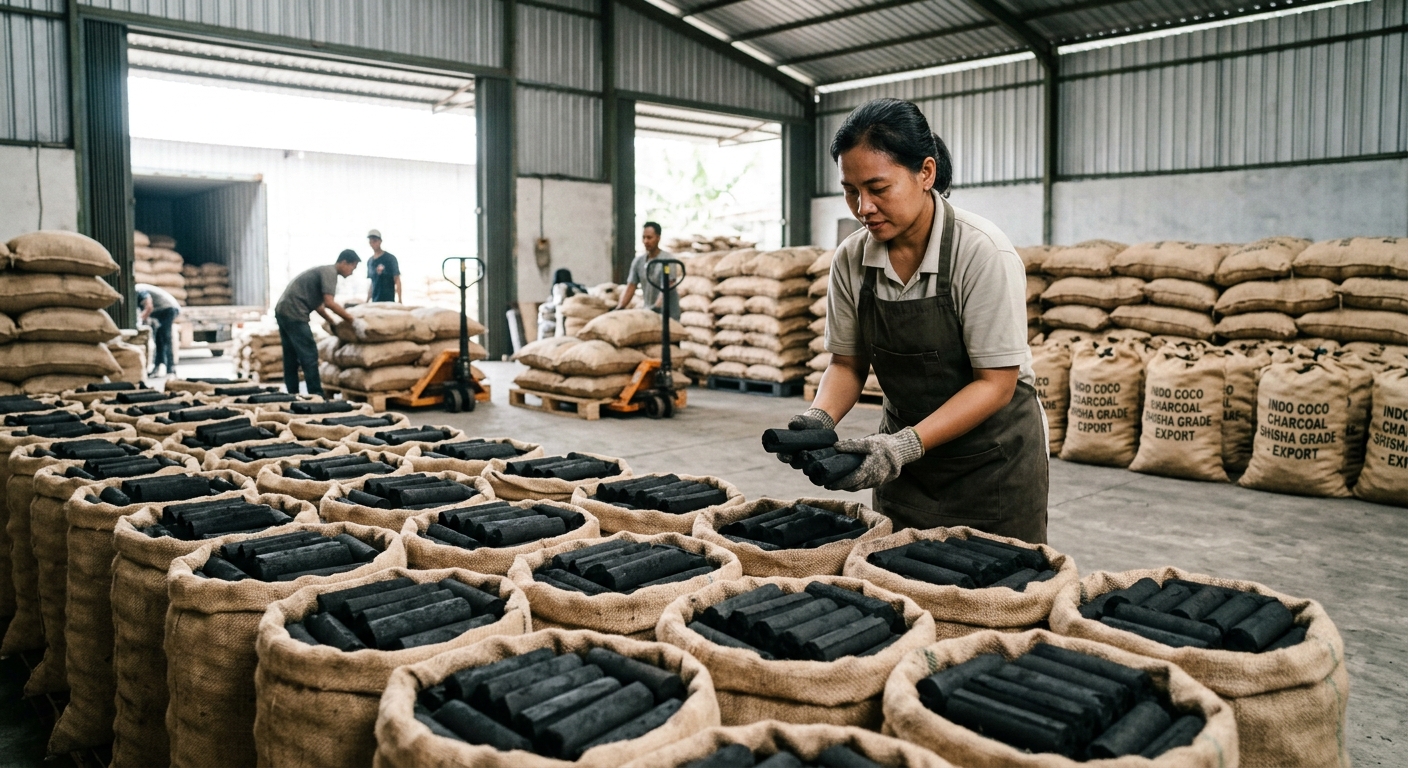
In the global market for premium heating, shisha (hookah), and barbecue fuels, Indonesian coconut charcoal briquettes stand unrivaled. As the world’s largest producer of coconuts, Indonesia has leveraged its natural abundance and refined its manufacturing processes to become the leading exporter of high-quality, eco-friendly charcoal briquettes. For international buyers, distributors, and brands, sourcing wholesale coconut charcoal from Indonesia offers unmatched advantages in cost-efficiency, burning duration, and ecological sustainability.
Why Indonesia Dominates the Global Coconut Charcoal Market
Indonesia’s dominance in the wholesale coconut charcoal market is not accidental; it is driven by a unique combination of geographical advantages, abundant raw materials, and specialized manufacturing expertise. Unlike wood charcoal, which contributes to deforestation, coconut charcoal is made from a agricultural byproduct: the coconut shell. This makes it a highly sustainable energy source.
Indonesian manufacturers have perfected the art of carbonization and briquetting. By utilizing state-of-the-art machinery and strict quality control measures, factories across Sumatra, Java, and Sulawesi produce briquettes that meet the stringent demands of markets in the Middle East, Europe, North America, and Australia.
Key Advantages of Premium Coconut Charcoal Briquettes
When comparing fuels for shisha or grilling, premium Indonesian coconut charcoal briquettes outperform traditional wood charcoal and quick-light alternatives in several critical performance metrics:
- Longer Burning Time: High-density Indonesian briquettes can burn continuously for 2 to 2.5 hours, reducing the need for frequent replacements.
- High Heat Output: They consistently deliver high caloric values (up to 7,500–8,000 kcal/kg), ensuring stable, even heat distribution.
- Low Ash Content: Premium grade briquettes leave behind minimal ash (typically between 1.8% to 3%), making cleanup easy and preventing ash from falling into shisha bowls or onto food.
- Odorless and Smokeless: Because the raw materials are fully carbonized and bound with natural food-grade binders (like tapioca starch), they emit no toxic smoke, chemical odors, or sparks.
- 100% Eco-Friendly: No trees are cut down to manufacture these briquettes. They are biodegradable, natural, and sustainable.
Technical Specifications for Wholesale Buyers
When sourcing wholesale coconut charcoal briquettes from Indonesia, it is crucial to understand the technical parameters that define product quality. These specifications determine whether the briquettes are suitable for premium shisha lounges or standard recreational barbecue use.
| Parameter | Premium Grade (Shisha/Hookah) | Standard Grade (Barbecue/Grill) |
|---|---|---|
| Fixed Carbon | 80% - 85% | 70% - 75% |
| Moisture Content | Max 5% - 6% | Max 8% - 10% |
| Ash Content | 1.8% - 2.5% | 3.0% - 5.0% |
| Ash Color | White or Light Grey | Grey or Brownish Grey |
| Calorific Value | 7,300 - 8,000 kcal/kg | 6,500 - 7,200 kcal/kg |
| Burning Time | 2.0 - 2.5 hours | 3.0 - 4.0 hours (larger sizes) |
Popular Sizes and Shapes for Shisha and BBQ
Wholesale manufacturers in Indonesia offer a wide variety of shapes and sizes to cater to regional consumer preferences. These shapes are precisely molded using hydraulic press machines to ensure structural integrity during burning.
1. Cube Shapes (Most Popular for Shisha)
Cubes are the global standard for hookah. Common sizes include:
- 25x25x25 mm: The classic size, highly popular in Europe and the Middle East. (72 pieces per kg)
- 26x26x26 mm: A slightly larger cube preferred for extended smoking sessions. (64 pieces per kg)
- 22x22x22 mm: Smaller cubes used for rapid heat startup. (96 pieces per kg)
2. Flat and Half-Cube Shapes
Flats are ideal for specific heat management devices (HMDs) used in hookah lounges. Popular sizes include:
- 25x25x15 mm: Flat style, preferred in the United States and North American markets. (120 pieces per kg)
3. Hexagonal and Cylindrical Shapes
Hexagonal shapes are generally larger and primarily designed for high-end barbecue, catering, and industrial cooking applications. Because of their hollow or solid center, they allow for optimal airflow and exceptionally long burns of up to 4 to 5 hours.
The Manufacturing Process Explained
Understanding how Indonesian factories process raw coconut shells into finished briquettes helps wholesale buyers evaluate supplier capabilities and quality control protocols.
- Sourcing and Selection: Raw, fully matured coconut shells are sourced from farmers. Immature shells are discarded as they yield low-density carbon.
- Carbonization: The shells are carbonized through pyrolysis (heating in the absence of oxygen) to produce raw charcoal with high fixed carbon levels.
- Crushing and Milling: The raw charcoal is crushed and milled into a fine powder.
- Mixing and Binding: The charcoal powder is thoroughly mixed with water and a small percentage of natural, food-grade tapioca starch (usually 3% to 5%) to bind the mixture without adding chemicals.
- Extrusion and Cutting: The mixture is fed into hydraulic or mechanical extruder machines, compacted under high pressure, and cut into precise shapes.
- Drying: The wet briquettes are dried in specialized ovens at high temperatures (around 80°C) for 12 to 24 hours to reduce moisture levels below 6%.
- Quality Control and Packaging: The dried briquettes undergo drop tests, burn tests, and ash color checks before being packed into inner plastic bags and outer master cartons.
Crucial Logistics and Shipping Considerations for Wholesale Buyers
Importing coconut charcoal briquettes from Indonesia requires careful planning, specifically concerning maritime safety regulations. Because charcoal is chemically classified as a flammable substance, it falls under hazardous materials classifications for ocean freight.
Dangerous Goods (DG) Shipping
Coconut charcoal briquettes are classified under UN 1361 (Charcoal, non-activated). To legally ship these goods globally from Indonesian ports like Tanjung Priok (Jakarta) or Tanjung Emas (Semarang), manufacturers must provide specific documentation:
- Material Safety Data Sheet (MSDS): Detailing chemical composition and safety handling procedures.
- Self-Heating Test Certificate (SHT): Issued by accredited independent laboratories (such as Carsurin or Sucofindo), proving the charcoal does not self-heat under shipping conditions.
- Vanning Certificate: Verifying that the container has been packed correctly, maintaining space for proper ventilation.
- Bill of Lading (B/L) with DG declaration: Showing approval from the shipping line to carry hazardous cargo.
Buyers must ensure their chosen Indonesian manufacturer has experience handling DG shipments to avoid customs delays, container rejections, or confiscation at destination ports.
How to Choose a Reliable Indonesian Wholesale Supplier
With hundreds of manufacturers operating across the Indonesian archipelago, selecting the right partner is vital for brand reputation and product consistency. Consider these checklist items when auditing potential suppliers:
- In-House Laboratory Testing: Reputable factories test every batch for moisture, ash, and burning duration, keeping retention samples for quality tracking.
- OEM & Private Label Services: A professional supplier should offer custom packaging options, including branded inner boxes, master cartons, and custom printing designs.
- Factory Audits: If possible, conduct a physical factory audit or hire a third-party inspection agency (such as SGS) to verify production capacity and labor standards.
- Clear Payment Terms: Standard international trade terms for Indonesian charcoal typically involve a Telegraphic Transfer (T/T) with a 30% to 50% deposit and the balance payable against the Bill of Lading, or an Irrevocable Letter of Credit (L/C).
Conclusion
Sourcing Indonesian coconut charcoal briquettes wholesale presents an incredible opportunity for brands and distributors targeting the premium shisha and eco-friendly barbecue sectors. With superior heat retention, clean burn metrics, and sustainable production cycles, Indonesian charcoal remains the undisputed benchmark of quality worldwide. By partner-filtering your suppliers, understanding technical specs, and working with experienced logistics partners to handle DG cargo requirements, you can build a highly profitable, sustainable, and reliable supply chain direct from the source.
Frequently Asked Questions (FAQ)
What is the Minimum Order Quantity (MOQ) for importing wholesale from Indonesia?
Most reputable Indonesian coconut charcoal manufacturers require a minimum order quantity of one 20-foot Full Container Load (FCL). A 20ft container typically accommodates between 17 to 19 metric tons of briquettes, depending on the packaging style and whether pallets are used.
Are chemical additives used in premium Indonesian coconut charcoal?
No, premium grade Indonesian charcoal briquettes do not contain chemical binders, accelerants, or artificial quick-light additives. They are bound together using 100% natural, food-grade tapioca starch, which guarantees a clean, toxic-free, and odorless smoking or cooking experience.
Can I order custom packaging for my wholesale order?
Yes, OEM and private labeling are standard services offered by Indonesian manufacturers. Buyers can design their own inner boxes (usually 1kg or 2kg packs) and heavy-duty outer master cartons (typically 10kg or 20kg), which the factory will print and package to order.
How long does the production and shipping process take?
On average, production takes 14 to 21 days for a single 20-foot container, depending on the current factory queue and weather conditions (dry seasons facilitate faster processing). Ocean freight from main Indonesian ports to Europe or the Middle East typically takes an additional 25 to 40 days.