Indonesia Shisha Charcoal Manufacture and Export: A Comprehensive Industry Guide
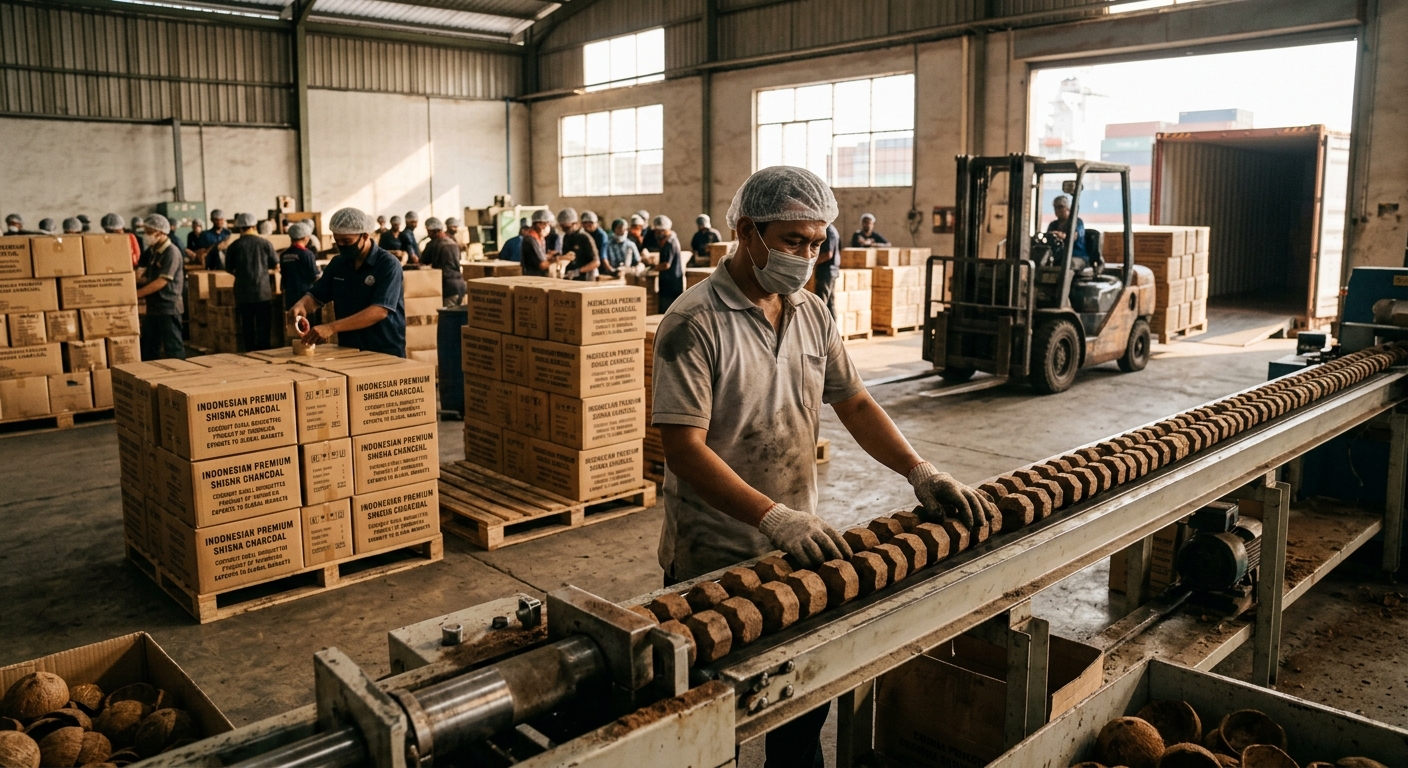
Introduction to Indonesia's Shisha Charcoal Industry
Indonesia has established itself as the undisputed global leader in the manufacture and export of coconut shell shisha charcoal. The archipelago's vast agricultural resources, particularly its immense coconut plantations, provide an abundant and sustainable supply of raw materials. This natural advantage, combined with decades of refined manufacturing expertise, has positioned Indonesian producers at the forefront of the international hookah and shisha markets.
The demand for premium shisha charcoal has surged globally, driven by the increasing popularity of hookah lounges and personal shisha consumption across the Middle East, Europe, and the Americas. Consumers and businesses alike are continually seeking high-quality, long-lasting, and clean-burning charcoal, which Indonesian manufacturers consistently deliver. In this comprehensive guide, we will explore the manufacturing processes, quality control measures, and export dynamics that define Indonesia's shisha charcoal industry.
The Manufacturing Process: From Coconut Shell to Premium Charcoal
The journey of Indonesian shisha charcoal begins with the careful selection of raw coconut shells. Unlike wood-based charcoal, coconut shell charcoal is celebrated for its sustainability, as it utilizes an agricultural byproduct that might otherwise be discarded. The manufacturing process involves several critical stages, each requiring precision and expertise to ensure the final product meets stringent international standards.
Carbonization and Crushing
The first step is carbonization, where raw coconut shells are burned in a low-oxygen environment. This process removes moisture and volatile compounds, leaving behind carbon-rich char. The resulting coconut shell charcoal is then crushed into a fine powder. The consistency of this powder is crucial, as it directly impacts the density and burning characteristics of the final briquette.
Mixing and Molding
Once the charcoal is finely ground, it is mixed with a natural binder, typically tapioca starch, and water. This mixture is then extruded and molded into various shapes, the most popular being the cube. For those interested in the specifics of this product type, The Ultimate Guide to Coconut Cube Charcoal: Benefits, Uses, and Best Practices offers deep insights into why this shape is favored by shisha enthusiasts worldwide. The molded briquettes are then carefully cut to exact dimensions.
Drying and Quality Control
The final manufacturing stage involves drying the briquettes in large industrial ovens to reduce their moisture content to an optimal level, usually below 5%. This ensures that the charcoal lights easily, burns evenly, and does not crack during use. Quality control is paramount at this stage; briquettes are tested for ash content, drop strength, and burn time to guarantee they meet the high expectations of the export market.
Packaging and Export Dynamics
Exporting shisha charcoal requires meticulous attention to packaging and logistics. Charcoal is considered a potentially hazardous material, making proper packing essential for safe and compliant international shipping. To understand the intricacies of this process, industry professionals often refer to A Comprehensive Guide to Charcoal Packing: Methods, Equipment, and Industry Standards, which details the necessary precautions and materials used.
Indonesian exporters typically package shisha charcoal in inner plastic bags to prevent moisture absorption, followed by sturdy inner boxes, and finally, robust master cartons for shipping. The primary export destinations for Indonesian shisha charcoal include countries in the Middle East, such as Saudi Arabia and the UAE, as well as European nations like Germany and Russia, where shisha culture is highly prevalent.
The following table illustrates the comparison between the two most common grades of exported Indonesian shisha charcoal based on key performance metrics:
| Charcoal Grade | Ash Content | Burn Time | Drop Strength Test |
|---|---|---|---|
| Premium (Platinum) | Less than 2.5% | Over 120 minutes | Passes 5 drops (1 meter) |
| Standard (Gold) | 2.5% - 3.5% | 90 - 120 minutes | Passes 3 drops (1 meter) |
Conclusion
Indonesia's dominance in the shisha charcoal manufacture and export industry is a testament to the country's rich natural resources and the dedication of its manufacturers to quality and sustainability. By utilizing coconut shells, producers offer an eco-friendly product that outperforms traditional wood charcoal in heat retention, ash production, and flavor neutrality. As global demand for premium shisha experiences continues to grow, Indonesia is well-positioned to maintain its status as the primary supplier of the world's finest shisha charcoal.
Frequently Asked Questions
Why is Indonesian coconut charcoal preferred for shisha?
Indonesian coconut charcoal is preferred because it burns hotter, lasts longer, and leaves significantly less ash compared to wood charcoal. Furthermore, it is tasteless and odorless, ensuring that the true flavor of the shisha tobacco is not altered during the smoking session.
How is the quality of shisha charcoal determined?
Quality is primarily determined by ash content, moisture level, fixed carbon percentage, and burn time. Premium charcoal will have an ash content of less than 2.5%, a moisture level below 5%, and a high fixed carbon content, which ensures a long, consistent burn without cracking.
What are the main challenges in exporting charcoal from Indonesia?
The primary challenges include navigating strict international shipping regulations for combustible materials, maintaining consistent quality across large volume orders, and managing fluctuations in raw material costs due to weather conditions affecting coconut harvests.