Navigating Indonesia Charcoal Briquettes Global Shipping: A Complete Guide
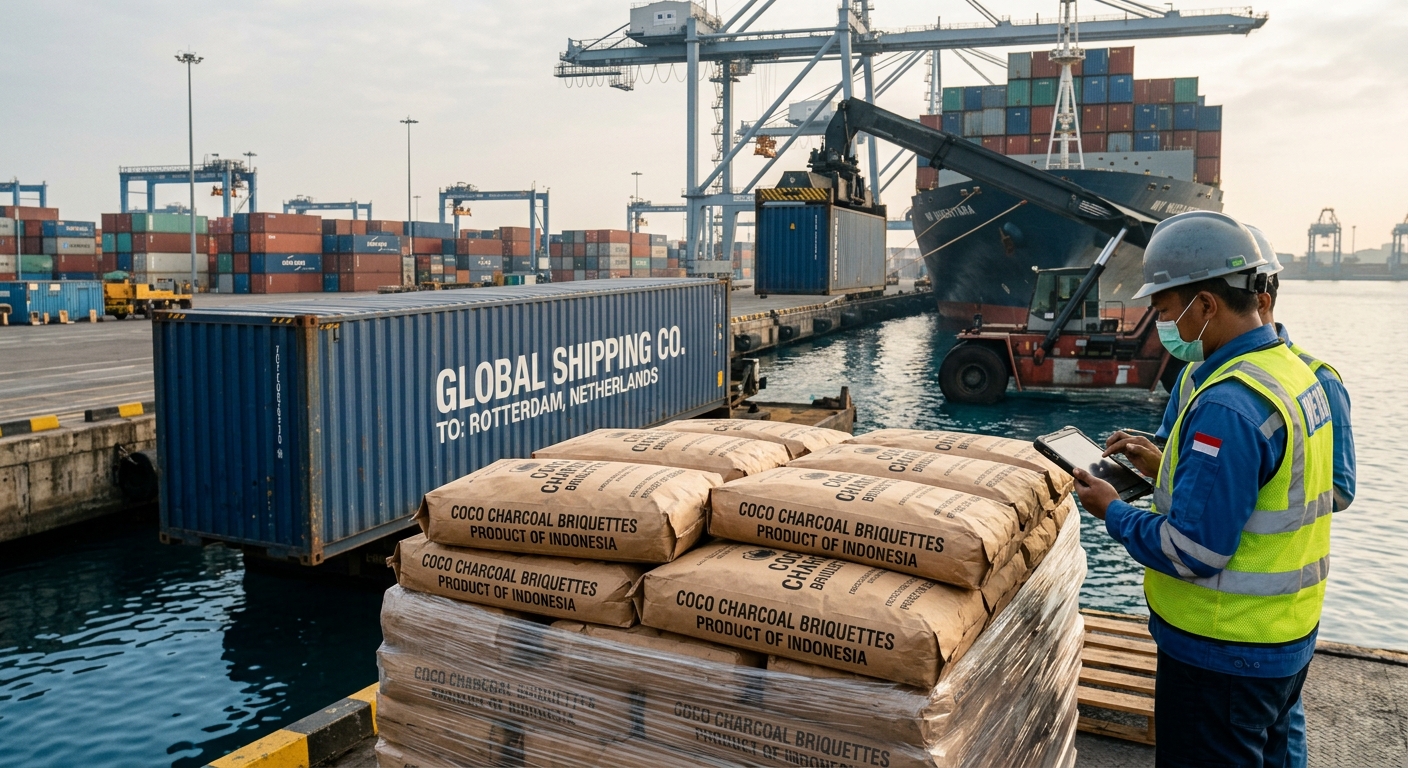
Introduction to the Indonesian Charcoal Export Market
Indonesia has firmly established itself as the world's premier supplier of premium charcoal products, particularly coconut shell charcoal briquettes. With a thriving agricultural sector that produces an abundance of coconut shells, the nation has transformed what was once considered agricultural waste into a highly sought-after global commodity. The international demand for these briquettes spans across various industries, including shisha and hookah lounges, barbecue and grilling enthusiasts, and industrial applications. However, the journey of these briquettes from the tropical islands of Indonesia to destinations across Europe, the Middle East, and the Americas is a complex logistical undertaking. Navigating the intricacies of Indonesia charcoal briquettes global shipping requires a deep understanding of maritime regulations, customs protocols, and strategic supply chain management.
As international buyers increasingly seek sustainable, high-quality alternatives to traditional wood charcoal, the focus has shifted heavily toward Indonesian suppliers. The logistical framework supporting this multi-million dollar export industry is robust but requires meticulous attention to detail. Transporting combustible materials across oceans involves strict adherence to safety standards, specialized packaging, and complex documentation. This article explores the entire process of global shipping for Indonesian charcoal briquettes, offering valuable insights for B2B buyers, distributors, and logistics professionals aiming to streamline their import operations.
The Unique Appeal of Indonesian Charcoal Briquettes
Before diving into the shipping logistics, it is crucial to understand why Indonesian charcoal commands such a massive global presence. The secret lies in the raw material: the coconut shell. When carbonized and processed into briquettes, coconut shell charcoal offers a superior burning experience compared to traditional hardwood charcoal. It burns hotter, lasts longer, and produces minimal smoke and odor. This makes it particularly ideal for the global shisha market, where flavor neutrality and consistent heat are paramount.
Furthermore, the ash characteristics of Indonesian briquettes are a major selling point. Premium grades produce a pristine white or light grey ash that does not flake easily, maintaining the cleanliness of the smoking or grilling environment. For a deeper understanding of these quality indicators, buyers often consult resources like the Comprehensive Guide to White Ash Coconut Charcoal Briquettes. This guide highlights the meticulous production standards required to achieve the perfect burn profile, which subsequently justifies the complex and often expensive shipping processes required to deliver them worldwide.
Understanding IMO and Dangerous Goods (DG) Classifications
The most critical aspect of global shipping for charcoal briquettes is their classification under maritime law. According to the International Maritime Organization (IMO), charcoal is classified as a Dangerous Good (DG) under Class 4.2: Substances liable to spontaneous combustion. This classification is the primary hurdle in the export process, as it severely restricts the number of shipping lines willing to transport the cargo and increases the scrutiny placed on the shipment.
To mitigate the risks associated with spontaneous combustion, shippers must prove that their charcoal briquettes have been properly processed, cooled, and packaged. This typically involves submitting the cargo to a Self-Heating Test (SHT) conducted by an accredited, independent laboratory, such as SGS or Intertek. If the charcoal passes the test, it may be granted an exemption from the stringent Class 4.2 regulations, allowing it to be shipped as a non-hazardous or general cargo, which significantly lowers freight costs and expands the choice of shipping carriers.
The Vanning Survey and Container Preparation
Even with a passing SHT certificate, the loading (or 'vanning') of the charcoal into shipping containers is closely monitored. A Vanning Certificate is usually required by the shipping line. This involves a marine surveyor inspecting the container before, during, and after the loading process. The surveyor ensures that the container is clean, dry, and structurally sound, and that the cargo is stowed in a manner that allows for adequate air circulation while preventing movement during transit.
Packaging Strategies for International Transit
Packaging plays a dual role in the export of charcoal briquettes: it must protect the product from moisture and physical damage while also complying with international safety standards. The maritime environment is harsh, characterized by high humidity, temperature fluctuations, and continuous motion. Therefore, the packaging must be exceptionally robust.
- Inner Packaging: Briquettes are typically sealed in thick, high-density polyethylene (HDPE) plastic bags. This inner layer is the primary defense against moisture. Moisture absorption not only degrades the burning quality of the charcoal but can also increase the risk of spontaneous combustion.
- Retail Packaging: For buyers importing shelf-ready products, the plastic bags are placed inside printed inner boxes. These boxes must be made of durable cardboard to withstand stacking.
- Master Cartons: The retail boxes (or larger bulk bags) are then packed into heavy-duty, multi-ply corrugated master cartons. These cartons are often strapped and sometimes wrapped in shrink film for added stability.
For bulk B2B buyers, palletization is a common requirement. While palletizing reduces the total volume of charcoal that can fit inside a container, it vastly improves the speed and safety of loading and unloading at the destination port. Choosing the right packaging and loading configuration is a critical discussion point when negotiating with suppliers, a topic extensively covered in the Indonesian Coconut Charcoal Briquettes Wholesale: The Ultimate B2B Sourcing Guide.
Essential Documentation for Export and Customs Clearance
The global shipping of Indonesian charcoal is a paper-heavy process. Missing or inaccurate documentation can result in severe delays, demurrage charges, or even the seizure of the cargo by customs authorities. Both the exporter in Indonesia and the importer at the destination must work closely to ensure all paperwork is perfectly aligned.
| Document Name | Purpose and Importance |
|---|---|
| Bill of Lading (B/L) | The master document issued by the shipping line acting as a receipt of cargo and a contract of carriage. |
| Commercial Invoice & Packing List | Details the financial transaction and provides a breakdown of the cargo's contents, weights, and dimensions. |
| Certificate of Origin (COO) | Certifies that the charcoal was manufactured in Indonesia; often required for preferential tariff rates under free trade agreements. |
| Self-Heating Test (SHT) Certificate | Laboratory proof that the charcoal does not pose a spontaneous combustion risk, essential for carrier acceptance. |
| Vanning Certificate | Proof that the container was loaded according to maritime safety standards under the supervision of a surveyor. |
| Material Safety Data Sheet (MSDS) | Provides comprehensive information on the handling, storage, and emergency protocols for the charcoal. |
Navigating Freight Rates and Shipping Routes
The cost of shipping Indonesian charcoal briquettes fluctuates based on global economic conditions, fuel prices, and container availability. Most shipments originate from major Indonesian ports such as Tanjung Priok (Jakarta), Tanjung Emas (Semarang), or Tanjung Perak (Surabaya). The choice of port often depends on the location of the manufacturing facility, with Semarang being a particularly popular hub for Central Java-based factories.
Buyers must decide between FOB (Free On Board) and CIF (Cost, Insurance, and Freight) terms. Under FOB, the buyer takes responsibility for the shipping costs and logistics once the cargo is loaded onto the vessel in Indonesia. This gives the buyer more control over freight rates but requires a strong relationship with a reliable freight forwarder. Under CIF, the Indonesian supplier handles the shipping and insurance to the destination port, which is more convenient for the buyer but may come at a premium.
Conclusion
Importing charcoal briquettes from Indonesia is a highly lucrative venture for international businesses, provided they can master the complexities of global shipping. The unparalleled quality of Indonesian coconut shell charcoal ensures a steady global demand, but the logistical realities of transporting combustible goods require rigorous planning, compliance, and strategic partnerships. By understanding IMO classifications, investing in proper packaging, ensuring flawless documentation, and collaborating with experienced logistics providers, B2B buyers can establish a smooth, reliable supply chain. As the market continues to grow, those who navigate the shipping landscape effectively will secure a significant competitive advantage in the global charcoal industry.
Frequently Asked Questions (FAQ)
Why is Indonesian charcoal classified as a Dangerous Good?
Under international maritime regulations, charcoal is classified as a Dangerous Good (Class 4.2) because it is a carbon-rich material that can be liable to spontaneous combustion if it is not properly processed, cooled, or packaged. It requires specific testing, like the Self-Heating Test, to prove it is safe for transit.
What is a Self-Heating Test (SHT) and why is it mandatory?
An SHT is a laboratory procedure where charcoal samples are subjected to elevated temperatures in an oven to monitor if their internal temperature rises, indicating a risk of spontaneous combustion. It is mandatory because shipping lines require the SHT certificate to ensure the cargo will not catch fire during the long ocean voyage.
Can I ship Indonesian charcoal via air freight?
While technically possible, shipping charcoal via air freight is extremely rare and cost-prohibitive due to the heavy weight of the product and the severe restrictions airlines place on flammable or combustible goods. Ocean freight is the standard and most economically viable method for global shipping.
What are the standard payment and shipping terms for wholesale charcoal?
Standard shipping terms are typically FOB (Free On Board) or CIF (Cost, Insurance, and Freight). Payment terms usually involve a Telegraphic Transfer (T/T) with a 30% to 50% down payment to initiate production, and the remaining balance paid against the presentation of the Bill of Lading copy once the container has shipped.