How to Import Indonesian Hookah Charcoal to England: A Complete Business Guide
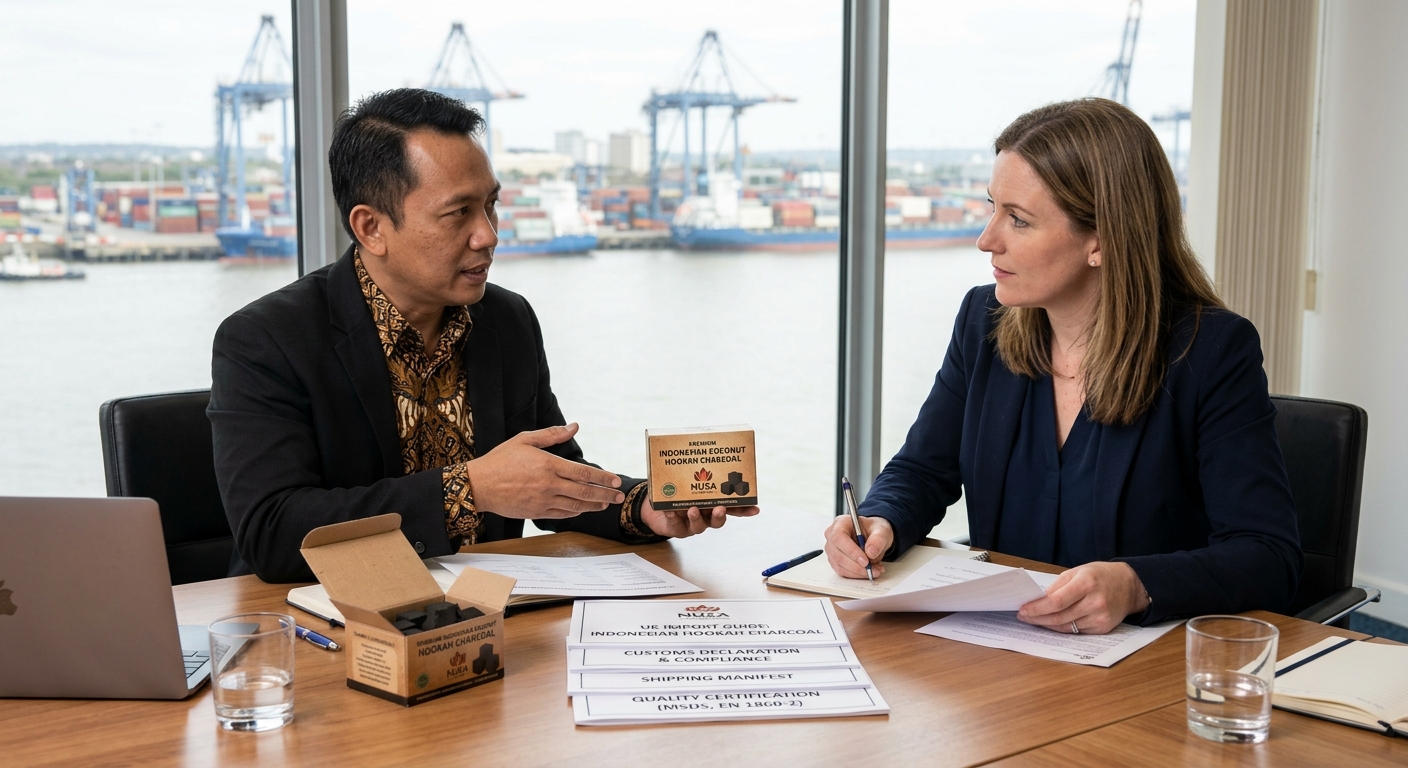
Introduction to the UK Hookah Charcoal Market
The demand for premium hookah charcoal in England has experienced a significant surge over the past decade. As the shisha lounge industry flourishes across major cities like London, Manchester, and Birmingham, the need for high-quality, long-lasting, and clean-burning charcoal has never been higher. Among the various options available globally, Indonesian coconut shell charcoal stands out as the undisputed gold standard. Importing this highly sought-after commodity from Indonesia to England presents a lucrative opportunity for wholesalers, distributors, and lounge owners aiming to provide an exceptional smoking experience while maximizing profit margins.
Understanding the nuances of the shisha industry is crucial for any importer. The cultural significance and historical context of the practice play a large role in consumer expectations. For a deeper understanding of this rich tradition, you can read A Comprehensive Guide to Smoking Shisha: History, Culture, and Practices. This background knowledge helps importers appreciate why enthusiasts are so particular about the charcoal they use, heavily favoring natural coconut briquettes over chemical-laden alternatives.
Why Indonesian Coconut Charcoal is the Industry Standard
Indonesia is the world's largest producer of coconuts, making it the epicenter for natural coconut shell charcoal production. Unlike traditional wood charcoal or quick-light varieties, Indonesian coconut hookah charcoal is manufactured utilizing the discarded shells of coconuts. This process is not only environmentally sustainable but also results in a superior product specifically tailored for hookah smoking.
One of the primary reasons Indonesian charcoal is favored in England is its density. The briquettes are compressed under immense pressure, resulting in a product that burns significantly longer than traditional charcoal. Furthermore, they produce very little ash, ensuring that the shisha tobacco is heated evenly without being contaminated by excessive ash fall. Most importantly, high-quality Indonesian coconut charcoal is completely odorless and tasteless. This ensures that the intricate flavors of the shisha molasses remain pure and unadulterated, providing a premium experience for the end-user.
To illustrate the stark differences between the types of hookah charcoal currently available in the UK market, the following table compares Indonesian coconut charcoal against quick-light and traditional wood charcoal based on burn time, ash production, and flavor impact.
| Charcoal Type | Average Burn Time | Ash Production Percentage | Flavor Impact |
|---|---|---|---|
| Indonesian Coconut | 90 to 120 minutes | Less than 3% | Zero (Neutral) |
| Quick-Light Briquettes | 30 to 45 minutes | 10% to 15% | High (Chemical taste) |
| Traditional Wood | 45 to 60 minutes | 5% to 8% | Moderate (Woody taste) |
Navigating the Import Regulations in England
Importing goods into England post-Brexit requires a thorough understanding of HM Revenue & Customs (HMRC) regulations. When importing Indonesian hookah charcoal, compliance is paramount to avoid border delays, confiscation, or hefty fines. The first step is obtaining an Economic Operators Registration and Identification (EORI) number, which is mandatory for moving goods between Great Britain and other countries.
Charcoal falls under specific commodity codes (HS codes) which dictate the rate of import duty and VAT applied. Typically, coconut shell charcoal is classified under chapter 44 of the UK Trade Tariff. Importers must accurately declare the commodity code to ensure the correct tariffs are paid. Furthermore, since charcoal is an organic material, it may be subject to specific environmental or health and safety regulations. Importers must ensure that the product does not contain banned chemical additives and complies with general product safety regulations in the UK.
Another critical aspect of importing is dealing with the bill of lading, commercial invoices, and packing lists. These documents must accurately reflect the origin, quantity, and value of the goods. Given the flammable nature of charcoal, it is often classified as dangerous goods (Class 4.2 - Substances liable to spontaneous combustion) under the International Maritime Dangerous Goods (IMDG) Code. Therefore, the supplier must provide a Material Safety Data Sheet (MSDS) and a certificate of self-heating test to prove that the charcoal has been treated and stabilized for safe ocean freight.
Sourcing the Right Supplier in Indonesia
Finding a reliable manufacturer in Indonesia is perhaps the most critical step in the import process. The Indonesian market is vast, with hundreds of factories clustered mainly in Java, Sumatra, and Sulawesi. However, the quality can vary wildly from one manufacturer to another. Some factories mix coconut shell with hardwood or other fillers to cut costs, which drastically reduces the quality of the final product.
When vetting potential suppliers, it is essential to request samples before committing to a full container load. Test these samples rigorously for burn time, ash color (premium coconut charcoal typically produces a light grey ash), and smell during ignition. Additionally, verify the factory's production capacity, quality control procedures, and experience with exporting to European markets. A reputable supplier should be fully transparent about their sourcing, manufacturing process, and compliance with international shipping regulations.
To assist in your search for top-tier manufacturers, we highly recommend consulting resources dedicated to vetting and categorizing these businesses. For instance, you can explore Premium Indonesia Hookah Charcoal Suppliers: Your Ultimate Guide to identify partners capable of meeting the stringent quality requirements of the English market.
Logistics, Freight, and Customs Clearance
Once you have secured a reliable supplier and your order is in production, the next hurdle is logistics. Shipping charcoal from Indonesian ports (such as Tanjung Priok in Jakarta or Tanjung Emas in Semarang) to UK ports (like Felixstowe, Southampton, or London Gateway) involves navigating complex international freight networks.
Because coconut charcoal is classified under the IMDG code, many major shipping lines have strict quotas or outright bans on carrying it, viewing it as a high-risk cargo. It is highly advisable to partner with a freight forwarder who specializes in dangerous goods and has established relationships with shipping lines that accept Class 4.2 cargo. They will handle the complex booking process, ensure the container is properly ventilated and packed, and manage the extensive documentation required for hazardous materials.
Transit times from Indonesia to England typically range from 30 to 45 days, depending on the routing and transshipment ports. Upon arrival in the UK, your customs broker will facilitate the clearance process. They will submit the import declaration to HMRC through the Customs Handling of Import and Export Freight (CHIEF) system or the new Customs Declaration Service (CDS), pay the applicable duties and VAT on your behalf, and arrange for the final inland haulage from the port to your warehouse.
Marketing and Distributing in the UK
With the goods safely in your English warehouse, the focus shifts to distribution. The primary targets for bulk hookah charcoal are shisha lounges, specialized tobacco shops, and online retailers. Building relationships with lounge owners is highly effective, as they require large, consistent volumes of high-quality charcoal. Providing them with free samples to test in their establishments is the best way to prove the superiority of your imported Indonesian product.
Furthermore, establishing a strong brand presence is crucial. English consumers are increasingly sophisticated and brand-conscious regarding their hookah accessories. Developing professional packaging that highlights the 100% natural coconut origins, long burn time, and low ash content will help differentiate your product on retail shelves. Utilizing digital marketing strategies, including SEO and social media targeting the UK hookah community, can also rapidly accelerate brand awareness and B2C sales.
Conclusion
Importing Indonesian hookah charcoal to England offers a fantastic business opportunity given the persistent demand for premium shisha products. By understanding the superior qualities of natural coconut charcoal, navigating the strict UK import regulations, carefully selecting a reputable Indonesian supplier, and managing the complex logistics of hazardous goods, importers can successfully establish a highly profitable supply chain. While the process requires diligence and a thorough understanding of international trade, the reward of dominating a niche market with the world's best hookah charcoal makes the endeavor highly worthwhile.
Frequently Asked Questions
What is the duty rate for importing hookah charcoal into the UK?
The import duty rate varies based on the exact HS code and current HMRC tariffs. Generally, for natural coconut shell charcoal, the standard duty rate is around 2% to 4%, plus the standard UK VAT of 20%. Importers should always check the UK Trade Tariff tool for the most up-to-date rates before shipping.
Why is shipping charcoal considered difficult?
Charcoal is classified as a hazardous material (Class 4.2) under maritime regulations because it has the potential for spontaneous combustion if improperly manufactured or packed. This classification requires specialized documentation, self-heating tests, and limits the number of shipping lines willing to transport the cargo, making freight booking more complex and often more expensive.
How can I ensure my Indonesian supplier is providing 100% coconut charcoal?
The best way to ensure purity is to request samples and conduct independent laboratory testing to check for the presence of wood or chemical fillers. Additionally, physically visiting the factory in Indonesia to audit their raw materials and production process, or hiring a local third-party inspection agency, can provide peace of mind before paying for a full container.
Do I need a special license to sell hookah charcoal in England?
No special license is required to sell hookah charcoal in England, as it does not contain tobacco or nicotine. However, the product must comply with standard UK consumer protection and trading standards, and businesses must be properly registered with HMRC for VAT and corporate tax purposes.