How to Import Charcoal from Indonesia: A Comprehensive Guide
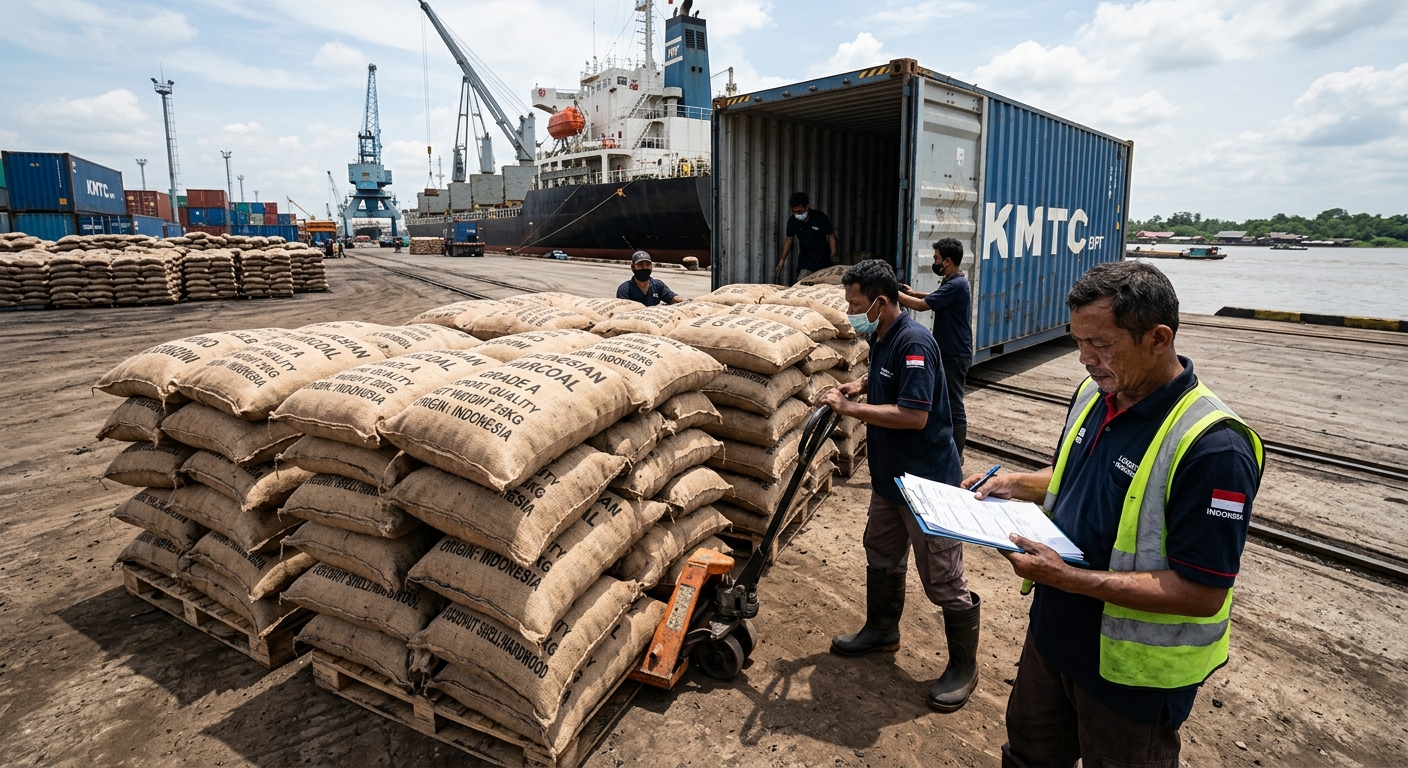
Introduction to Importing Charcoal from Indonesia
Indonesia is one of the world's leading producers of high-quality charcoal, particularly coconut shell charcoal and hardwood charcoal. With abundant natural resources and established manufacturing processes, the country offers a reliable supply of premium charcoal products used globally for shisha, BBQ, and industrial applications. If you are looking to expand your business or source top-tier products, understanding how to import charcoal from Indonesia is a crucial first step to ensuring a smooth and profitable venture.
This comprehensive guide will walk you through the entire process, from finding reliable suppliers and understanding product specifications to navigating export regulations, shipping logistics, and customs clearance.
Why Choose Indonesian Charcoal?
Before diving into the import process, it is important to understand why Indonesian charcoal is highly sought after in the international market. The primary reasons include:
- High Calorific Value: Indonesian coconut shell charcoal burns hotter and longer compared to other types of charcoal.
- Low Ash Content: Premium Indonesian charcoal leaves minimal ash, which is a critical factor for both shisha smoking and BBQ.
- Eco-Friendly and Sustainable: Coconut shell charcoal is made from agricultural waste, meaning no trees are cut down for its production.
- Odorless and Smokeless: High-quality production ensures a clean burn without altering the flavor of food or shisha.
Step 1: Identifying the Right Supplier
The foundation of a successful import business lies in finding a trustworthy and capable manufacturer. Not all suppliers are created equal, and conducting thorough due diligence is essential.
Research and Verification
Start by researching potential suppliers online through B2B directories, industry forums, and trade shows. Look for manufacturers with a proven track record of exporting. When evaluating a supplier, request their company profile, export licenses, and certifications (such as ISO or REACH if applicable to your market). To gain a deeper understanding of what to look for, you should read The Comprehensive Guide to Choosing a Coconut Shell Charcoal Manufacturer in Indonesia, which details the key indicators of a reliable partner.
Step 2: Understanding Product Specifications
Charcoal comes in various shapes, sizes, and grades. Specifying your exact requirements is vital to avoid receiving substandard goods. Common types include briquettes for shisha (cubes, flats, hexagonal) and lump charcoal for BBQ.
Quality Parameters to Specify
When negotiating with your supplier, ensure you clearly define the following parameters:
- Moisture Content: Usually below 5% for premium grades.
- Ash Content: Ideally between 1.5% and 2.5% for shisha charcoal.
- Volatile Matter: Generally between 12% and 17%.
- Fixed Carbon: Should be 75% or higher.
- Burn Time: Expected duration (e.g., 90-120 minutes for shisha cubes).
For specific products like the popular 26mm cubes often used for premium shisha, you can find detailed insights in our Comprehensive Guide to Coconut Charcoal Cube 26mm Wholesale.
Step 3: Navigating Regulations and Documentation
Importing charcoal requires strict adherence to both Indonesian export regulations and your home country's import laws. Charcoal is often classified as a dangerous good (Class 4.2 - Spontaneously Combustible) depending on the shipping method, which requires specific handling and documentation.
Essential Export Documents from Indonesia
- Commercial Invoice: Details the transaction between you and the seller.
- Packing List: Specifies the contents, weight, and dimensions of the shipment.
- Bill of Lading (B/L): The official shipping document issued by the carrier.
- Certificate of Origin (COO): Proves the goods were manufactured in Indonesia (crucial for tariff purposes).
- Material Safety Data Sheet (MSDS): Required by shipping lines to verify the safety and handling procedures for the charcoal.
- Self-Heating Test Certificate (SHTC): Necessary to prove the charcoal is not prone to spontaneous combustion during transit.
- Fumigation Certificate: Ensures wooden pallets (if used) are treated against pests.
Step 4: Quality Control and Factory Audits
Never rely solely on pictures or verbal assurances. Implementing a robust quality control process is essential.
Pre-Shipment Inspections
Hire a third-party inspection agency (such as SGS or Intertek) to conduct a pre-shipment inspection. They will verify the quantity, packaging, and conduct random sampling to test the moisture, ash, and carbon content against your agreed specifications. Additionally, visiting the factory in Indonesia, if possible, allows you to inspect their production capacity, hygiene standards, and drying facilities firsthand.
Step 5: Logistics, Shipping, and Incoterms
Shipping charcoal internationally requires careful planning due to its classification and weight.
Understanding Incoterms
Negotiate the Incoterms with your supplier to clarify responsibilities and costs. Common terms include:
- FOB (Free On Board): The supplier covers costs up to loading the goods onto the vessel in Indonesia. You handle freight and insurance.
- CIF (Cost, Insurance, and Freight): The supplier covers shipping and insurance to your destination port.
- EXW (Ex Works): You are responsible for the entire logistics chain from the supplier's factory.
Container Loading
Charcoal is typically shipped in 20ft or 40ft containers. A 20ft container can generally hold around 18-19 metric tons of charcoal briquettes. Ensure the supplier packs the master cartons securely on pallets or floor-loads them properly to maximize space and prevent damage during transit.
Step 6: Customs Clearance in Your Country
Once the container arrives at your destination port, you must clear customs. Working with an experienced local customs broker is highly recommended to navigate complex import duties, taxes, and port fees.
| Process Stage | Required Action | Key Document Needed |
|---|---|---|
| Arrival at Port | Notify Customs Broker | Bill of Lading (B/L) |
| Customs Declaration | Submit Import Entry | Commercial Invoice, Packing List |
| Duty Assessment | Pay Applicable Tariffs/Taxes | Certificate of Origin |
| Release of Goods | Arrange Inland Transport | Customs Release Order |
Conclusion
Importing charcoal from Indonesia can be a highly lucrative endeavor if approached methodically. By understanding the intricacies of sourcing, specifying quality parameters, handling documentation, and managing shipping logistics, you can establish a reliable supply chain of premium charcoal. Always prioritize due diligence, invest in third-party quality control, and work closely with experienced freight forwarders and customs brokers to mitigate risks. With the right strategy, you can successfully bring Indonesia's finest charcoal to your local market.
Frequently Asked Questions (FAQ)
Is charcoal considered a dangerous good for shipping?
Yes, charcoal is often classified under the IMDG code as Class 4.2 (Spontaneously Combustible). However, passing a Self-Heating Test can sometimes exempt specific shipments from stringent dangerous goods regulations, depending on the shipping line's policies.
How long does it take to manufacture and ship charcoal from Indonesia?
Production lead time typically ranges from 2 to 4 weeks, depending on the order size and factory capacity. Ocean freight transit time varies by destination but generally takes 3 to 6 weeks to reach regions like the Middle East, Europe, or the Americas.
What is the minimum order quantity (MOQ) for importing charcoal?
Most reputable Indonesian manufacturers require a Minimum Order Quantity of one 20ft container, which equates to approximately 18 metric tons of packaged charcoal briquettes.
Can I request custom packaging for my charcoal brand?
Yes, the majority of Indonesian charcoal manufacturers offer OEM (Original Equipment Manufacturer) services, allowing you to design and print your own custom inner boxes and master cartons to build your brand identity.