Hookah Charcoal: A Comprehensive Guide to Types, Preparation, and Best Practices
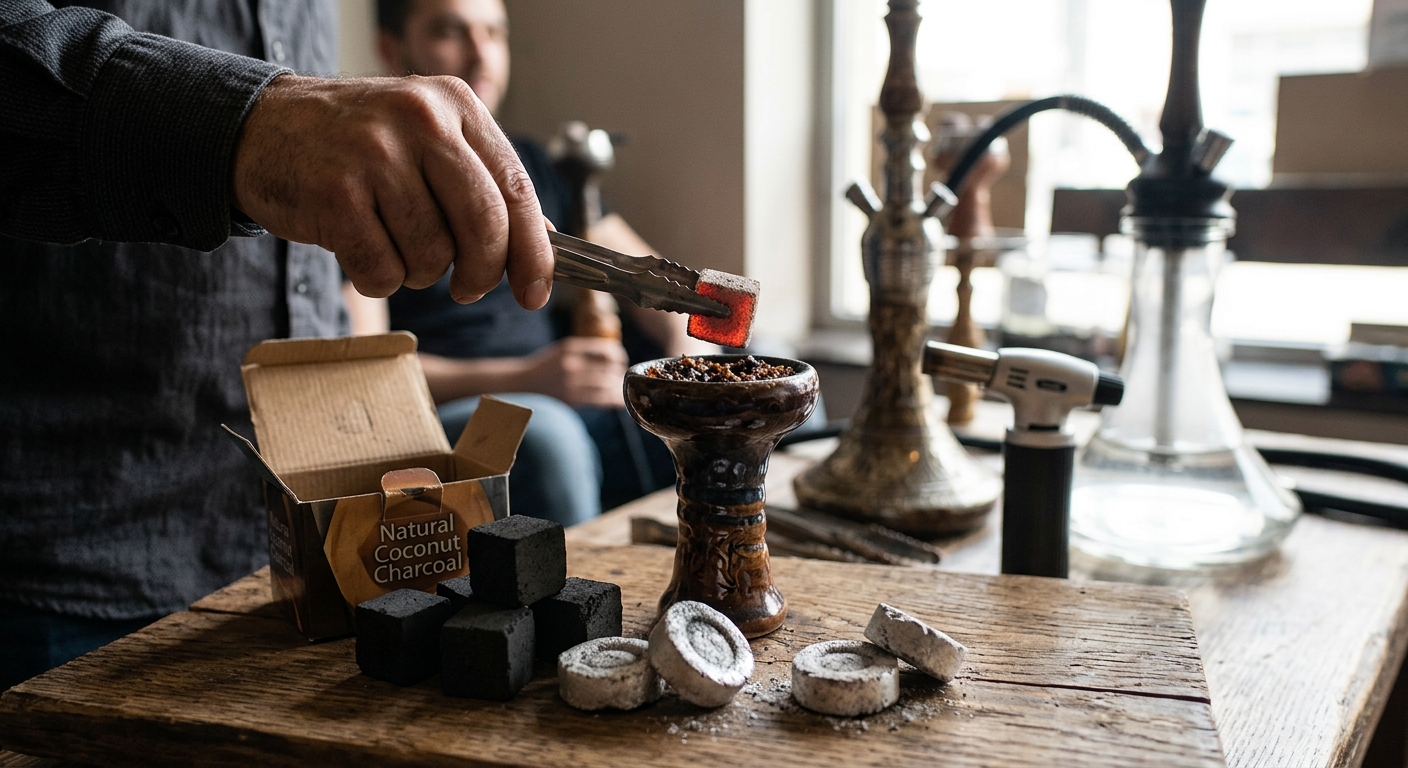
Introduction to Hookah Charcoal
When it comes to enjoying a premium hookah experience, the quality of your charcoal plays a pivotal role. Hookah charcoal is the heat source that bakes the shisha tobacco, producing the flavorful clouds of smoke that enthusiasts love. Choosing the right type of charcoal and knowing how to manage it can make the difference between a harsh, unpleasant session and a smooth, enjoyable one. In this guide, we will explore the different types of hookah charcoal, how to prepare them, and best practices for heat management.
The Role of Charcoal in a Hookah Session
The primary function of hookah charcoal is to heat the shisha tobacco packed in the bowl. Unlike smoking a cigarette or a cigar, where the tobacco is burned directly, hookah tobacco is heated or baked. This process releases the glycerin, molasses, and flavorings as vapor and smoke. If the charcoal is too hot, it will burn the tobacco, leading to a harsh taste. If it is too cool, the smoke will be thin, and the flavor will be weak. Understanding this balance is crucial, much like appreciating The Benefits of Hookah: A Professional Perspective on Culture, Connection, and Quality, which highlights how the right setup enhances social and cultural experiences.
Types of Hookah Charcoal
There are two main categories of hookah charcoal available on the market today: natural charcoal and quick-light charcoal. Each has its own set of characteristics, advantages, and ideal use cases.
Natural Hookah Charcoal
Natural charcoal is widely considered the gold standard for serious hookah smokers. These coals are typically made from compressed coconut shells, though wood-based options (like lemonwood or orangewood) are also available. Because they are made from organic materials without chemical accelerants, they burn cleaner, last longer, and do not impart any unwanted flavors to the shisha.
- Coconut Shell Charcoal: The most popular natural option, known for its dense composition, long burn time (often up to 90 minutes), and minimal ash production.
- Wood Charcoal: Offers a traditional experience. It lights slightly faster than coconut charcoal but may ash more and burn a bit quicker.
Quick-Light Hookah Charcoal
Quick-light charcoal is designed for convenience and speed. These coals are coated with a chemical accelerant (such as sulfur or saltpeter) that allows them to be lit easily with a standard lighter or match. While they are convenient for travel or situations where a stove is unavailable, they come with significant drawbacks.
- Shorter Burn Time: Quick-lights typically only last 30 to 45 minutes.
- Chemical Taste: The accelerants can impart an unpleasant flavor to the smoke, especially if the coal is not fully lit before being placed on the bowl.
- Higher Ash Output: They tend to produce more ash, which requires more frequent maintenance during the session.
The following table compares the key attributes of natural coconut charcoal and quick-light charcoal to help you decide which is best for your session.
| Charcoal Type | Burn Time | Lighting Method | Flavor Impact |
|---|---|---|---|
| Natural Coconut Charcoal | 60 - 90 minutes | Electric burner / Stove | None (Neutral) |
| Quick-Light Charcoal | 30 - 45 minutes | Standard lighter | Potential chemical taste |
How to Properly Light Hookah Charcoal
The method you use to light your charcoal depends entirely on the type you are using. Proper lighting is essential for a clean, flavorful session. For a deeper understanding of setting up your hookah, you can refer to A Comprehensive Guide to Smoking Shisha: History, Culture, and Best Practices.
Lighting Natural Charcoal
Because natural coals lack accelerants, they require a sustained, high-heat source. An electric coil burner is the most efficient and common tool for this job.
- Place the natural coals directly on the coils of the electric burner.
- Turn the burner to its highest setting.
- Wait for the bottom half of the coals to turn glowing red (usually about 5 to 7 minutes).
- Use metal hookah tongs to flip the coals over.
- Wait another 3 to 5 minutes until the coals are completely glowing red and covered in a thin layer of grey ash. There should be no black spots remaining.
Lighting Quick-Light Charcoal
Quick-lights are much simpler to light, but require caution to ensure all the chemicals are burned off before use.
- Hold the quick-light coal firmly with your hookah tongs.
- Apply a flame from a lighter or match to the edge of the coal. It will begin to spark and crackle as the accelerant ignites.
- Wait for the sparking to stop and the entire coal to turn glowing red and ash over. Do not place it on your bowl while it is still sparking or black, as this will result in inhaling chemical fumes and ruining the flavor.
Heat Management Best Practices
Once your charcoal is fully lit, managing the heat on your bowl is the next critical step. Proper heat management ensures thick clouds and rich flavor without burning the tobacco.
Placement and Rotation
Start by placing the coals on the outer edge of the bowl rather than the center. The center of the bowl is where the heat concentrates most intensely. By placing the coals on the edge, you allow the heat to distribute evenly. As the session progresses, use your tongs to rotate the coals around the bowl, ensuring that the shisha bakes evenly and preventing hot spots.
Ashing the Coals
As the charcoal burns, a layer of ash will build up on the outside. This ash can insulate the coal, reducing the heat transferred to the bowl, and it can also fall into the bowl, affecting the flavor. Periodically use your tongs to pick up the coals and gently drop them onto the charcoal tray to knock off the excess ash before placing them back on the bowl.
Using Heat Management Devices (HMDs)
While traditional aluminum foil is still widely used, Heat Management Devices (HMDs) have revolutionized the modern hookah experience. An HMD is a metal device that sits on top of the bowl and houses the charcoal. It typically features adjustable vents that allow you to regulate the airflow and heat intensity easily. Using an HMD can reduce the need for constant rotation and ashing, providing a more consistent and prolonged session.
Conclusion
Hookah charcoal is the engine that drives your session. By understanding the differences between natural and quick-light options, and by mastering the arts of proper lighting and heat management, you can elevate your hookah experience significantly. Opting for natural coconut charcoal will generally provide the cleanest, longest-lasting, and most flavorful smoke. Remember that patience in preparation pays off in the quality of the session.
Frequently Asked Questions
Can I light natural hookah charcoal with a normal lighter?
No, a standard lighter does not produce enough sustained heat to ignite natural charcoal. You must use an electric coil burner, a gas stove, or a dedicated charcoal burner.
How do I know when my charcoal is ready to use?
Charcoal is ready when it is glowing glowing red entirely and covered in a thin layer of grey ash. There should be no black, unlit spots remaining, and in the case of quick-lights, it should have completely stopped sparking.
Why does my hookah taste harsh or burnt?
A burnt taste usually indicates too much heat. This can happen if you are using too many coals, placing the coals directly in the center of the bowl, or failing to rotate them. Try removing one coal or moving them to the outer edge of the bowl to lower the temperature.