The Comprehensive Guide to Hexagonal Coconut Charcoal for Grilling
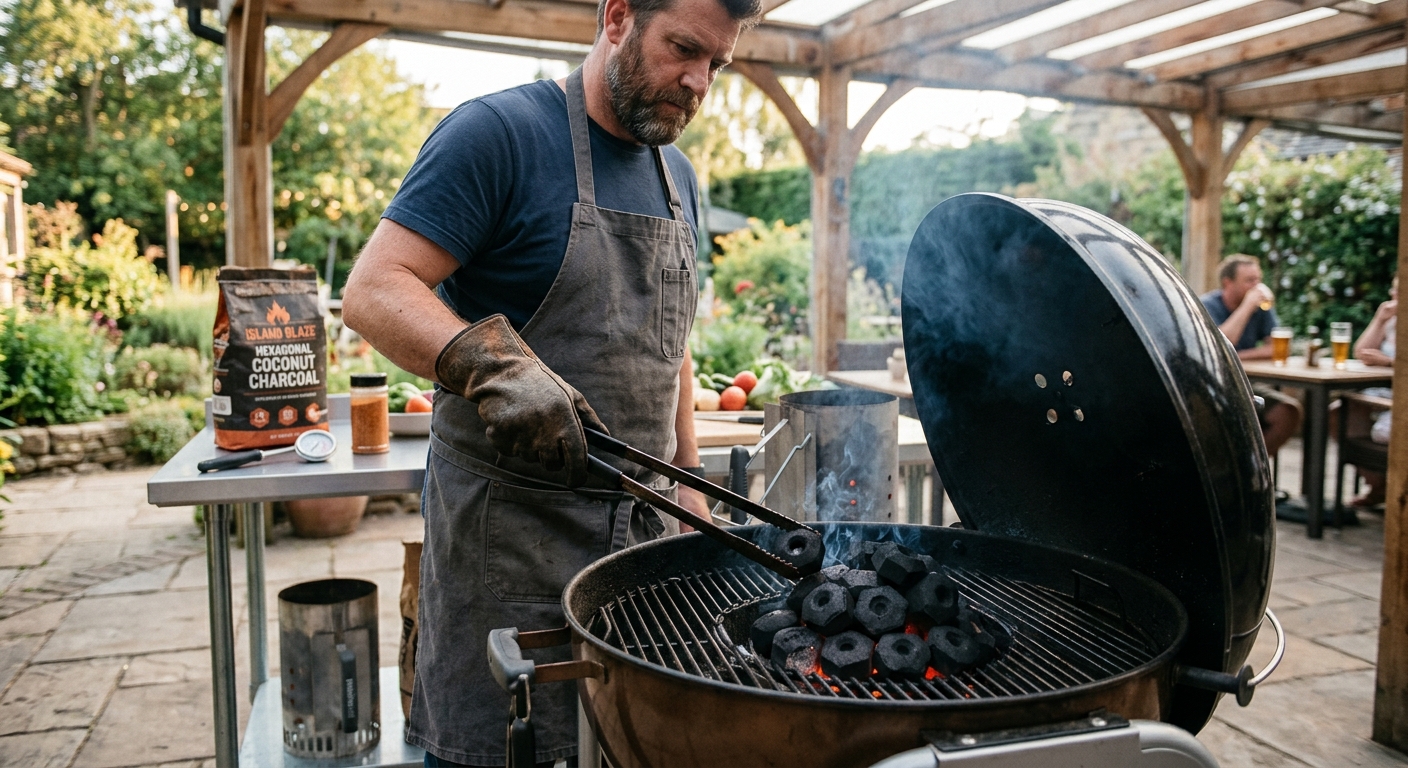
Introduction to Hexagonal Coconut Charcoal
In the world of outdoor cooking and professional grilling, the fuel you choose is just as critical as the ingredients you prepare. Among the myriad of options available, hexagonal coconut charcoal has emerged as a premium standard for both culinary enthusiasts and commercial kitchens. Unlike traditional wood lump charcoal or standard briquettes, coconut charcoal offers an array of unparalleled benefits, from its sustainable origins to its exceptionally clean burn. In this comprehensive guide, we will delve deep into what makes hexagonal coconut charcoal the ultimate choice for grilling, analyzing its composition, performance metrics, and economic viability.
What is Hexagonal Coconut Charcoal?
Hexagonal coconut charcoal is a specialized type of briquette manufactured entirely from carbonized coconut shells. The process begins with the collection of discarded coconut shells, a natural byproduct of the coconut oil and water industries. These shells undergo a careful carbonization process in oxygen-restricted kilns. Once carbonized, the material is crushed into a fine powder, mixed with a natural, food-grade binder (such as tapioca starch), and extruded into a distinct hexagonal shape with a hollow center. This unique geometric configuration is not merely for aesthetics; it is engineered to maximize airflow, structural integrity, and heat distribution during the combustion process.
The Science Behind the Hexagonal Shape
The geometric design of charcoal significantly influences its burning dynamics. The hexagonal shape, characterized by six equal sides and typically a central hole, offers several distinct advantages over standard pillow-shaped briquettes or irregular wood lumps.
- Enhanced Airflow: The central hole acts as a chimney, drawing oxygen through the center of the briquette. This ensures an even, consistent burn from the inside out, maintaining high temperatures without suffocating the fire.
- Structural Integrity: The hexagonal structure is inherently strong. It resists crumbling and breaking during transport and handling, resulting in less dust and waste in the bag.
- Stackability: The flat sides allow for efficient stacking and arranging within a grill or smoker. This allows pitmasters to construct precise fire configurations, such as the Minion method or a snake arrangement, with pinpoint accuracy.
Key Benefits of Coconut Charcoal for Grilling
Grilling with coconut charcoal offers a transformative culinary experience. Its distinct properties elevate it above conventional alternatives in several meaningful ways.
Incredible Heat and Longevity
Coconut shell carbon is incredibly dense. When compressed into a briquette, it yields a fuel source that burns significantly hotter and longer than standard wood charcoal. It is not uncommon for premium coconut briquettes to maintain grilling temperatures for several hours, making them ideal for slow-smoking briskets, roasting whole poultry, or enduring long commercial service shifts. If you want to understand the exact metrics of long-lasting charcoal, we highly recommend reading The Ultimate Guide to 90 Minutes Burn Time Charcoal: Performance, Benefits, and Sourcing, which provides exceptional insights into high-performance briquette benchmarks.
Minimal Smoke and Odor
One of the most praised attributes of coconut charcoal is its clean-burning nature. Because it contains no sulfur or chemical additives, it produces virtually no smoke or foul odors during ignition and combustion. This neutral profile ensures that the natural flavors of your marinades, rubs, and the meat itself take center stage, untainted by harsh, acrid smoke.
Low Ash Production
High-quality coconut charcoal can boast an ash content of less than 3%. This means that 97% of the product is pure, combustible energy. Low ash production is highly beneficial for grilling, as it prevents ash from blowing onto your food or clogging the air vents of your Kamado or kettle grill, thereby ensuring consistent temperature control.
Environmental and Sustainability Impact
In an era where environmental consciousness is paramount, the sourcing of cooking fuels is under intense scrutiny. Traditional wood charcoal often contributes to deforestation and habitat destruction. Hexagonal coconut charcoal stands in stark contrast as a 100% sustainable alternative. It upcycles a waste product—the coconut shell—that would otherwise be discarded or left to rot. By choosing coconut charcoal, consumers and businesses actively participate in reducing deforestation while supporting the agricultural economies of coconut-producing nations.
Sourcing and Commercial Procurement
For restaurants, catering businesses, and large-scale distributors, sourcing hexagonal coconut charcoal requires an understanding of international trade, quality control, and shipping logistics. Because the highest quality coconut shells are typically harvested in tropical regions like Indonesia, Vietnam, and the Philippines, importing this product often involves bulk purchasing. If you are a business looking to import, you must understand container capacities and minimum order quantities. For a deep dive into bulk procurement, read our Comprehensive Guide to Sourcing Coconut Briquettes: Navigating an 18 Tons MOQ to master the logistics and economics of bulk charcoal importing.
Performance Comparison Table
To fully appreciate the superiority of hexagonal coconut charcoal, it is helpful to compare it directly against standard charcoal options.
| Feature | Hexagonal Coconut Charcoal | Standard Wood Briquettes | Lump Charcoal |
|---|---|---|---|
| Burn Time | Very High (2 to 4 hours) | Moderate (1 to 2 hours) | Low to Moderate |
| Heat Output | Very High / Consistent | Moderate / Declines quickly | High / Inconsistent |
| Ash Content | Low (Under 5%) | High (15% - 20%) | Low to Moderate |
| Smoke & Odor | None / Neutral | High (often chemical) | Wood smoke profile |
| Sustainability | 100% Sustainable | Low (often contains fillers) | Varies (can cause deforestation) |
Conclusion
Hexagonal coconut charcoal is not just a trend; it is a scientifically sound, environmentally responsible, and performance-driven fuel that has redefined the standards of grilling. Its unique shape promotes optimal airflow and heat distribution, while its dense coconut shell composition guarantees a long, hot, and smokeless burn. Whether you are a weekend backyard griller aiming for the perfect sear or a commercial restaurant demanding consistent, reliable heat, hexagonal coconut charcoal delivers on all fronts. By embracing this sustainable fuel, you elevate your culinary creations while contributing positively to global ecological health.
Frequently Asked Questions (FAQ)
How do you light hexagonal coconut charcoal?
Because it is incredibly dense and contains no chemical accelerants, hexagonal coconut charcoal takes slightly longer to light than standard briquettes. The most effective method is using a charcoal chimney starter with natural firelighters or paper underneath. It typically takes 15 to 25 minutes for the briquettes to ash over and become ready for grilling.
Can I use coconut charcoal in any type of grill?
Yes, hexagonal coconut charcoal is highly versatile and can be used in Kamado grills, kettle grills, offset smokers, and open hibachi grills. Its consistent heat and low ash production make it particularly exceptional for ceramic Kamado-style cookers.
Is coconut charcoal more expensive than regular charcoal?
While the upfront cost per bag or box may be higher than standard wood briquettes, coconut charcoal is generally more cost-effective in the long run. Its extended burn time means you use significantly less fuel per cooking session, and you can often extinguish and reuse unburned portions for your next barbecue.
Does coconut charcoal make food taste like coconut?
No, the carbonization process removes all the oils, moisture, and organic compounds that give coconuts their flavor. The resulting charcoal burns completely neutral, emitting no coconut aroma or taste, allowing the true flavors of your food to shine.