A Complete Guide to Exporting Indonesian Hookah Charcoal to Germany
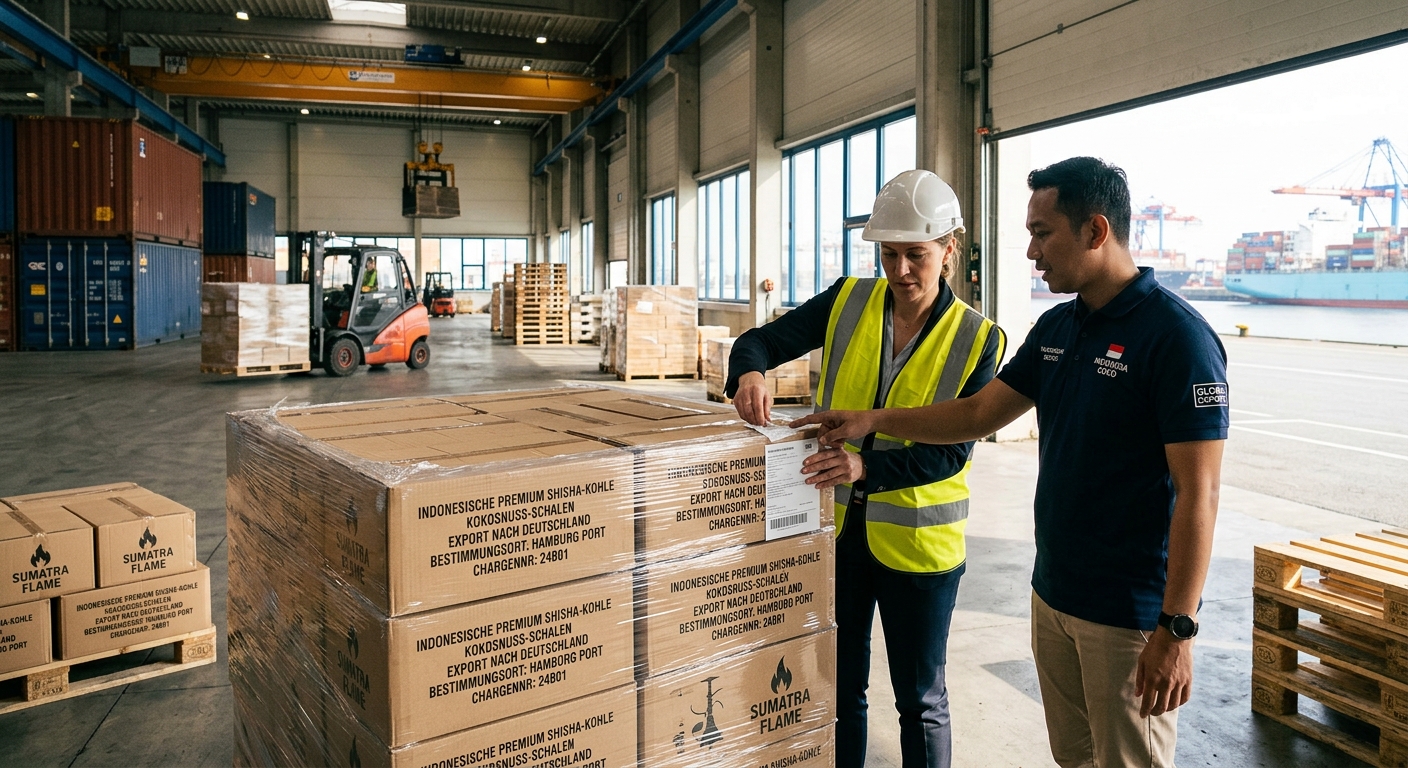
The global demand for high-quality shisha and hookah charcoal has seen a significant surge in recent years, with Germany standing out as one of the most lucrative markets in Europe. Indonesian coconut shell charcoal, renowned for its clean burn, long duration, and low ash content, is highly sought after by German consumers and businesses alike. Navigating the export process from Indonesia to Germany requires a deep understanding of manufacturing standards, international trade regulations, and European market preferences.
The German Market for Hookah Charcoal
Germany has a vibrant and growing shisha culture. Hookah lounges are prevalent across major cities like Berlin, Munich, and Frankfurt, and home consumption is steadily increasing. German consumers are particularly discerning when it comes to quality. They demand products that are 100% natural, free from chemical additives, and capable of producing minimal smoke and odor so as not to interfere with the flavor of the shisha tobacco.
This demand creates a perfect synergy with Indonesian coconut charcoal. Unlike quick-light charcoals that often contain sulfur or saltpeter, premium Indonesian charcoal is made from pure coconut shells, making it the preferred choice for European markets. Understanding The Art and Science of Premium Shisha Charcoal Manufacture is crucial for exporters looking to meet the stringent expectations of German buyers.
Sourcing and Manufacturing Standards in Indonesia
Indonesia is the world's leading producer of coconut shell charcoal. The archipelago's abundance of coconut plantations provides a steady supply of raw materials. However, not all charcoal is created equal. For the export market, especially a premium market like Germany, strict adherence to manufacturing standards is mandatory.
The Production Process
The journey from coconut shell to premium hookah charcoal involves several critical steps:
- Carbonization: Coconut shells are burned in a controlled, oxygen-deprived environment to create char.
- Crushing and Sieving: The char is ground into a fine powder and sifted to remove impurities.
- Mixing: The powder is mixed with a natural binder, usually tapioca starch, and water.
- Briquetting: The mixture is pressed into specific shapes, most commonly cubes (e.g., 25mm, 26mm, or 27mm) for the German market.
- Drying: The briquettes are baked in large ovens to reduce moisture content to below 5%.
For a deeper dive into the production landscape, you can explore this guide on Indonesia Shisha Charcoal Manufacture and Export: A Comprehensive Industry Guide. It highlights the nuances of scaling production while maintaining consistent quality.
Navigating the Export Process to Germany
Exporting goods from Indonesia to the European Union involves navigating a series of regulatory frameworks. Germany, as a member of the EU, enforces strict import regulations to ensure product safety and environmental compliance.
Required Documentation
To successfully clear German customs, exporters must provide comprehensive documentation. Key documents include:
- Commercial Invoice: Detailing the value, quantity, and description of the goods.
- Packing List: Specifying the contents of each carton and pallet.
- Bill of Lading (B/L): The official shipping document issued by the freight forwarder.
- Certificate of Origin: Proving the goods were manufactured in Indonesia (Form A or equivalent for GSP benefits).
- MSDS (Material Safety Data Sheet): Crucial for shipping charcoal, as it is often classified under specific dangerous goods regulations (IMDG Code) unless proven otherwise through self-heating tests (SHT).
- SHT Certificate: A Self-Heating Test certificate from a recognized laboratory (like Sucofindo or SGS) proving the charcoal is safe for transport and not liable to spontaneous combustion.
Shipping and Logistics
Hookah charcoal is typically shipped via sea freight in 20-foot or 40-foot containers. Given the nature of the product, moisture protection during transit is vital. Exporters must ensure containers are clean, dry, and equipped with desiccants to prevent mold growth or structural degradation of the briquettes during the long voyage to ports like Hamburg or Bremerhaven.
Comparing Charcoal Specifications for the German Market
When targeting the German market, it is essential to understand the specific product grades available. Below is a comparison of typical charcoal specifications to help exporters align their products with German expectations.
| Specification | Standard Quality | Premium Quality (German Market Preferred) |
|---|---|---|
| Moisture Content | Maximum 8% | Maximum 4% |
| Ash Content | Maximum 3% | Maximum 2% |
| Fixed Carbon | Minimum 75% | Minimum 80% |
| Burning Time | 90 Minutes | 100 - 120 Minutes |
Conclusion
Exporting Indonesian hookah charcoal to Germany presents a highly profitable opportunity for manufacturers and trading companies that can consistently deliver premium quality. By mastering the manufacturing process, adhering strictly to EU import regulations, and understanding the specific preferences of the German shisha community, businesses can establish long-term, lucrative partnerships. The key to success lies in transparency, rigorous quality control, and reliable logistics management.
Frequently Asked Questions (FAQ)
What is the most popular charcoal size in Germany?
The German market heavily favors cube-shaped charcoal, with the 26mm x 26mm x 26mm cube being the most popular choice for both lounges and home users due to its optimal heat output and longevity.
Why is coconut charcoal preferred over wood charcoal for shisha?
Coconut charcoal is preferred because it burns hotter, lasts longer, produces significantly less ash, and is virtually smokeless and odorless, ensuring that the flavor of the shisha tobacco remains pure and untainted.
How long does shipping take from Indonesia to Germany?
Sea freight from major Indonesian ports (such as Jakarta, Semarang, or Surabaya) to German ports (like Hamburg) typically takes between 25 to 35 days, depending on the shipping line and route.