Custom Brand Coconut Charcoal Packaging: Elevating Your Product Appeal
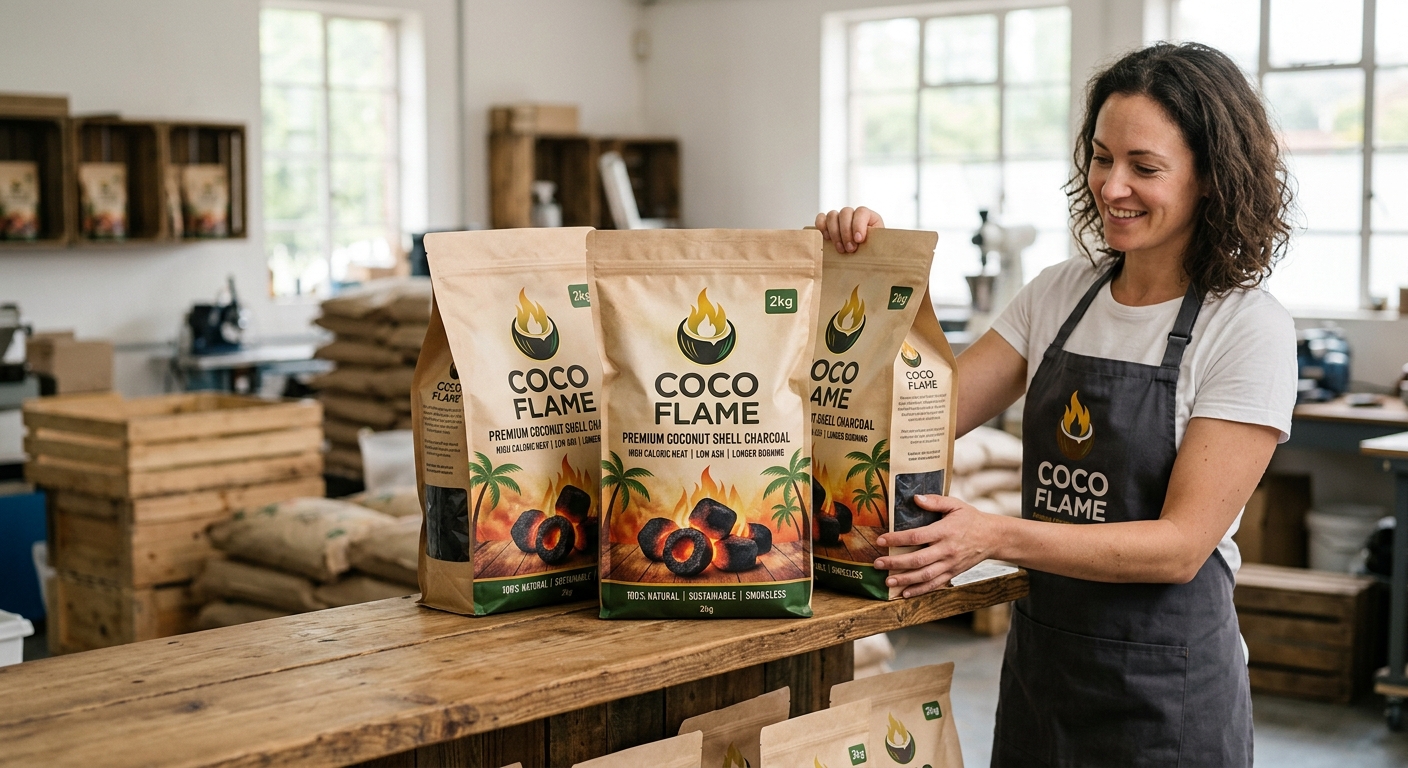
Introduction to Custom Brand Coconut Charcoal Packaging
In the highly competitive world of hookah and barbecue supplies, standing out is essential for success. One of the most effective ways to differentiate your product is through custom brand coconut charcoal packaging. Packaging is more than just a container; it is a vital marketing tool that communicates your brand's values, quality, and commitment to the consumer. For businesses sourcing premium charcoal, such as High Calorie Coconut Charcoal from Indonesia: The Ultimate Guide, pairing an exceptional product with superior packaging is a recipe for market dominance.
The Importance of Packaging in the Charcoal Industry
Coconut charcoal has gained immense popularity due to its eco-friendly nature, long burning time, and minimal ash production. However, to convey these premium qualities to the end consumer, the packaging must reflect the high standards of the product inside. Custom packaging serves multiple crucial functions, from protecting the briquettes during transit to acting as a silent salesman on retail shelves.
Protecting the Product
First and foremost, charcoal packaging must protect the product from moisture, physical damage, and contamination. Coconut charcoal is hydroscopic, meaning it can absorb moisture from the air, which negatively impacts its burning efficiency. High-quality custom packaging typically incorporates moisture barriers, such as inner plastic linings or laminated cardboard, to ensure the charcoal remains dry and intact until it reaches the consumer.
Brand Identity and Recognition
Custom packaging allows businesses to establish a strong brand identity. By incorporating specific colors, logos, typography, and imagery, companies can create a recognizable presence in the market. Consistent and attractive packaging builds trust and loyalty among consumers, making them more likely to choose your brand over competitors.
Design Elements for Effective Charcoal Packaging
Creating effective custom brand coconut charcoal packaging requires careful consideration of various design elements. These elements must work harmoniously to attract the target audience and convey the product's benefits.
Material Selection
The choice of material is foundational to good packaging. Common materials include corrugated cardboard boxes, kraft paper bags, and flexible pouches. Eco-friendly brands often opt for recyclable or biodegradable materials to align with the sustainable nature of coconut charcoal.
Visual Aesthetics
The visual appeal of the packaging should align with the brand's positioning. Premium brands might use minimalist designs with gold foil stamping and matte finishes, while brands targeting a younger, energetic demographic might use vibrant colors and dynamic graphics. Regardless of the style, the packaging must look professional and high-quality.
Informational Content
Consumers want to know what they are buying. Packaging should clearly display essential information, such as the product's origin, burn time, ash content, and size specifications. Providing clear instructions on how to light and use the charcoal safely is also crucial. When working with a supplier, referring to a Comprehensive Guide to Choosing a Custom Size Hookah Charcoal Manufacturer can help ensure that the product dimensions align perfectly with your packaging design.
Types of Custom Packaging for Coconut Charcoal
Depending on the market and the specific product offering, various types of packaging can be utilized. Each type offers distinct advantages.
- Inner Plastic Bags: Used primarily for moisture protection. Often sealed tightly before being placed in an outer box.
- Printed Cardboard Boxes: The standard for retail hookah charcoal. They offer excellent surfaces for high-quality printing and brand messaging.
- Kraft Paper Bags: Popular for larger quantities of barbecue charcoal. They provide a rustic, eco-friendly look.
- Master Cartons: Large, sturdy corrugated boxes used for shipping multiple smaller retail boxes. They must be durable enough to withstand international shipping.
The Process of Creating Custom Packaging
Developing custom packaging involves several steps, from conceptualization to final production.
1. Defining Requirements
Determine the size, weight, and specific protective needs of the charcoal. Consider the target market and the regulatory requirements of the destination country.
2. Design and Prototyping
Work with graphic designers and packaging engineers to create visual concepts and physical prototypes. This stage ensures that the packaging is both aesthetically pleasing and structurally sound.
3. Printing and Production
Once the design is approved, the packaging goes into production. Quality control is vital during this stage to ensure colors are accurate and materials meet specifications.
4. Packing and Distribution
The charcoal is carefully packed into the custom containers, often utilizing automated machinery to ensure consistency and efficiency, before being shipped to distributors or retailers.
Comparing Packaging Materials
| Material Type | Pros | Cons | Best Used For |
|---|---|---|---|
| Corrugated Cardboard | Highly durable, excellent printability, stackable | Can be bulky | Retail boxes, Master cartons |
| Kraft Paper | Eco-friendly, cost-effective, rustic appeal | Less moisture resistance | BBQ charcoal bags |
| Plastic Pouches | Excellent moisture barrier, flexible | Less eco-friendly | Inner liners, sample sizes |
Conclusion
Custom brand coconut charcoal packaging is a critical component of a successful product strategy. It not only safeguards the premium quality of the charcoal but also serves as a powerful marketing tool that communicates brand identity and values. By investing in thoughtful, high-quality packaging design and materials, businesses can significantly enhance their product appeal, build consumer trust, and gain a competitive edge in the global market. Whether you are selling premium hookah briquettes or eco-friendly barbecue charcoal, the right packaging will ensure your product shines on the shelf and delivers an exceptional experience to the end-user.
Frequently Asked Questions
Why is moisture barrier important in charcoal packaging?
Coconut charcoal easily absorbs moisture from the environment, which can make it difficult to light and reduce its burning temperature. A moisture barrier, such as an inner plastic bag, prevents this and maintains the charcoal's high quality.
Can I use eco-friendly materials for my custom packaging?
Yes, many brands use eco-friendly materials like recycled cardboard, kraft paper, and biodegradable inks to appeal to environmentally conscious consumers and align with the sustainable nature of coconut charcoal.
How does custom packaging affect shipping costs?
Custom packaging can optimize shipping costs by ensuring the boxes are perfectly sized for the product, eliminating wasted space. Properly designed master cartons also maximize pallet efficiency during international sea freight.
What information must be included on the charcoal packaging?
Packaging should generally include the brand name, product weight, key features (like burn time and ash content), safety warnings, origin, and instructions for use. Requirements may vary based on local regulations in the target market.