A Comprehensive Guide to Smoking Shisha: History, Culture, and Practices
Introduction to Smoking Shisha
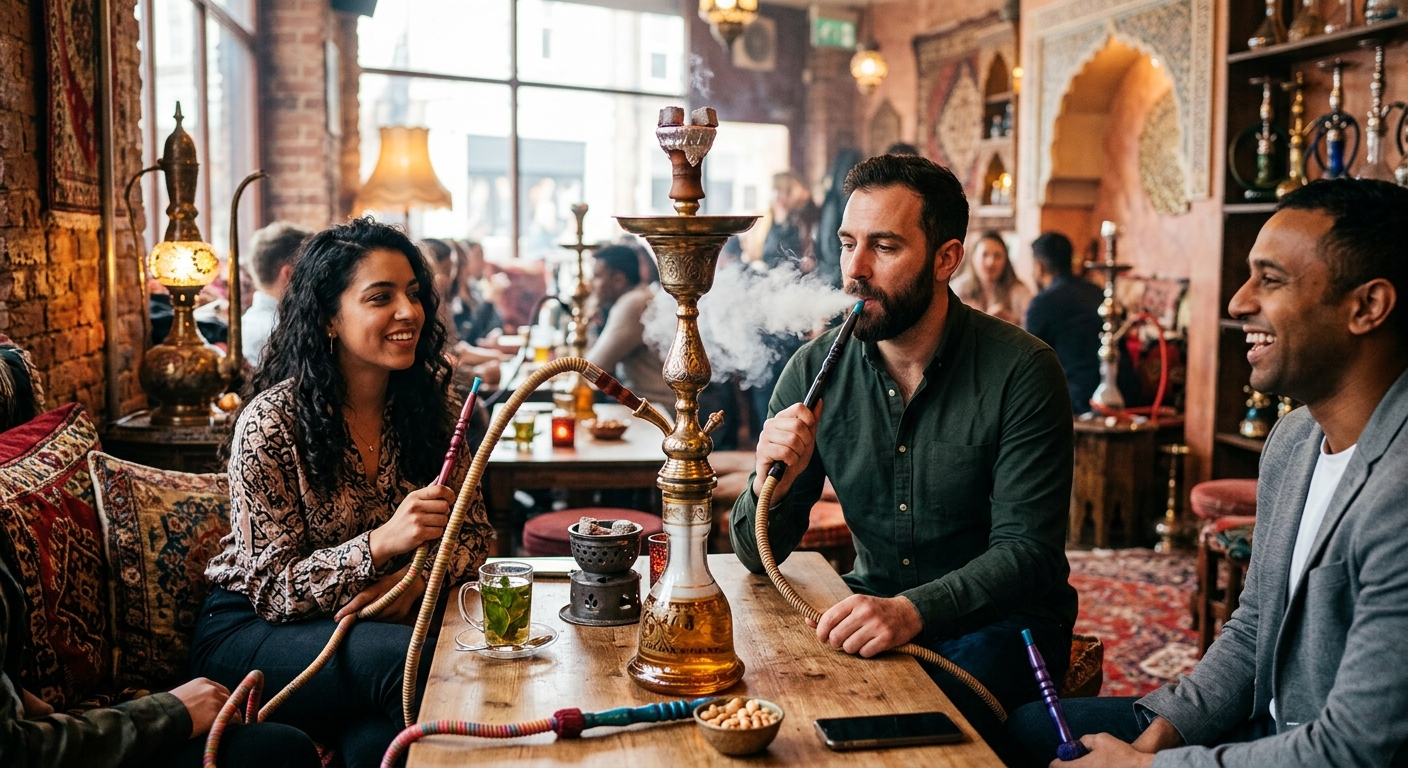
Smoking shisha, also known as hookah, waterpipe, or arghileh, is a centuries-old tradition that has evolved into a global social phenomenon. Originating in the Middle East and South Asia, the practice involves smoking flavored tobacco through a water basin. Today, shisha lounges and cafes can be found in major cities worldwide, serving as gathering places for people to relax, converse, and enjoy the communal experience of smoking shisha.
Understanding the intricacies of smoking shisha requires an appreciation of its history, the mechanics of the waterpipe, the types of tobacco used, and the cultural nuances surrounding the practice. For those seeking to deepen their knowledge, exploring resources such as الدليل الشامل عن الأركيلة: تاريخها، مكوناتها، وتأثيراتها provides invaluable insights into the traditions and modern applications of this enduring pastime.
The History and Cultural Significance
The origins of the shisha pipe date back to the 16th century in India, where it was initially created as a method to purify smoke through water. From India, the practice spread to the Persian Empire and the Ottoman Empire, where it became deeply embedded in the social fabric. In these cultures, offering a guest a shisha pipe was considered a sign of hospitality and respect.
Over the centuries, the design of the hookah evolved from simple wooden and coconut shell constructions to the elaborate, ornate glass and metal pipes seen today. The social aspect, however, remains unchanged. Smoking shisha is inherently communal. It is an activity meant to be shared, often accompanied by tea, coffee, and engaging conversation. It bridges generations and cultures, creating a shared space for relaxation.
Anatomy of a Shisha Pipe
To fully appreciate the experience of smoking shisha, one must understand the components of the apparatus. A standard shisha pipe consists of several key parts, each playing a crucial role in the functionality of the device.
- The Bowl (Head): Typically made of clay or silicone, this is where the flavored tobacco (shisha) is placed. The bowl is covered with perforated aluminum foil or a metal heat management device.
- The Tray: Located just below the bowl, the tray catches falling ash from the coals.
- The Stem: The main body of the pipe, usually made of metal, which connects the bowl to the water base.
- The Water Base (Vase): A glass container filled with water (and sometimes ice or fruit). The smoke travels down the stem and bubbles through the water, cooling it before it is inhaled.
- The Hose: The flexible tube through which the smoker inhales the smoke. Hoses can be made from leather, silicone, or plastic.
- The Valve: A purge valve that allows the smoker to blow stale smoke out of the water base.
The Importance of Heat Management
One of the most critical aspects of smoking shisha is heat management. The heat source, typically charcoal, determines the quality, flavor, and thickness of the smoke. Using the right type of charcoal and managing its placement is essential for a smooth session without burning the tobacco.
There are generally two types of charcoal used for shisha: quick-light coals and natural coals. Natural coals, often made from coconut husks, are highly preferred by enthusiasts because they burn longer, hotter, and do not impart chemical flavors to the smoke. For a deep dive into charcoal selection and usage, enthusiasts often refer to A Comprehensive Guide to Carbon Para Hookah: Everything You Need to Know.
Comparing Shisha Charcoal Types
Understanding the differences between the main types of charcoal can significantly improve the shisha smoking experience. The table below outlines the primary distinctions between natural coconut coals and quick-light coals.
| Charcoal Type | Material Source | Lighting Time | Burn Duration | Flavor Impact |
|---|---|---|---|---|
| Natural Coconut | Compressed Coconut Husks | 5-10 Minutes (requires stove) | 60-90 Minutes | Neutral / Clean |
| Quick-Light | Wood dust with chemical accelerant | 30-60 Seconds (requires lighter) | 20-40 Minutes | Slight Chemical Taste |
The Tobacco: Moassel and Flavors
The tobacco used in modern shisha smoking is fundamentally different from cigarette or pipe tobacco. Known as "moassel" (which translates to "honeyed" in Arabic), shisha tobacco is a sticky mixture of tobacco leaves, molasses or honey, vegetable glycerin, and flavorings. The glycerin is responsible for the thick, voluminous clouds of smoke associated with shisha, while the molasses acts as a binder and sweetener.
The variety of flavors available today is staggering. Traditional flavors like double apple, mint, and grape remain incredibly popular, but the market has expanded to include complex blends mimicking desserts, tropical fruits, and even beverages. The choice of flavor is highly personal and is a central part of the modern shisha experience.
Preparing the Perfect Shisha Session
Setting up a shisha pipe correctly requires attention to detail. A poorly packed bowl or incorrect water level can ruin the session.
Step-by-Step Preparation
- Fill the Base: Add water to the glass base so that the bottom of the stem is submerged by approximately 1 to 1.5 inches. Too much water restricts the draw; too little fails to cool the smoke adequately.
- Pack the Bowl: Sprinkle the shisha tobacco loosely into the bowl. It is crucial not to pack it too densely, as airflow is required for the heat to pass through evenly. Keep the tobacco slightly below the rim to prevent it from touching the foil or heat management device directly.
- Apply Foil or HMD: If using foil, stretch it tightly over the bowl and poke small, evenly spaced holes. Alternatively, place a Heat Management Device (HMD) on top.
- Light the Coals: Fully ignite the natural coals until they are glowing red on all sides. Never place partially lit coals on the bowl, as this can cause carbon monoxide inhalation and harsh flavors.
- Manage the Heat: Place the coals on the edge of the bowl and wait a few minutes for the bowl to heat up before taking the first draw. Rotate the coals periodically to ensure even burning of the tobacco.
Health and Safety Considerations
While smoking shisha is a popular social activity, it is important to approach it with an understanding of health and safety. The smoke from a waterpipe contains many of the same toxic compounds found in cigarette smoke, including carbon monoxide, heavy metals, and carcinogens. The water in the base cools the smoke but does not filter out these harmful substances.
Furthermore, because a typical shisha session lasts an hour or more, users often inhale a significantly larger volume of smoke compared to smoking a single cigarette. It is vital for consumers to be aware of these facts and to smoke responsibly in well-ventilated areas to minimize the risks associated with secondhand smoke and carbon monoxide buildup.
The Modern Shisha Lounge Experience
In contemporary society, the shisha lounge has become a cosmopolitan staple. These establishments offer more than just a place to smoke; they provide an atmosphere. Modern lounges often feature comfortable seating, ambient lighting, curated music, and extensive menus of premium teas, coffees, and fusion cuisine.
The role of the "shisha sommelier" has also emerged in high-end establishments. These professionals are adept at mixing custom flavor profiles, managing heat perfectly throughout a patron's session, and maintaining the equipment to the highest standards. This professionalization of the service highlights the evolution of shisha from a traditional household custom to a premium hospitality experience.
Conclusion
Smoking shisha is a practice steeped in rich history and cultural tradition. From its origins in the East to its current status as a global social pastime, it continues to bring people together. By understanding the components of the waterpipe, the importance of quality materials like natural charcoal, and the proper techniques for preparation, enthusiasts can elevate their experience. While it is essential to remain mindful of the health implications, the ritual of preparing and sharing a shisha remains a cherished activity for many around the world.
Frequently Asked Questions
What is the difference between shisha and hookah?
In Western countries, the terms are often used interchangeably. Historically, "hookah" refers to the actual waterpipe apparatus, while "shisha" refers to the flavored tobacco smoked inside it. In some Middle Eastern regions, "shisha" is the term used for the pipe itself.
Why is natural coconut charcoal better than quick-light charcoal?
Natural coconut charcoal burns longer, produces a more consistent heat, and does not contain chemical accelerants. This ensures that the flavor of the shisha tobacco remains pure and unaltered, unlike quick-light coals which can leave a chemical aftertaste.
How much water should I put in the shisha base?
You should fill the base with enough water to submerge the bottom of the metal stem by about 1 to 1.5 inches. This provides the optimal balance of smoke filtration, cooling, and ease of drawing the smoke.
Does the water in the hookah filter out toxins?
No, the water primarily serves to cool the smoke, making it smoother to inhale. It does not significantly filter out harmful chemicals, tar, or nicotine present in the tobacco smoke.