The Ultimate Guide to Smoke Shisha: Setup, Techniques, and Charcoal Selection
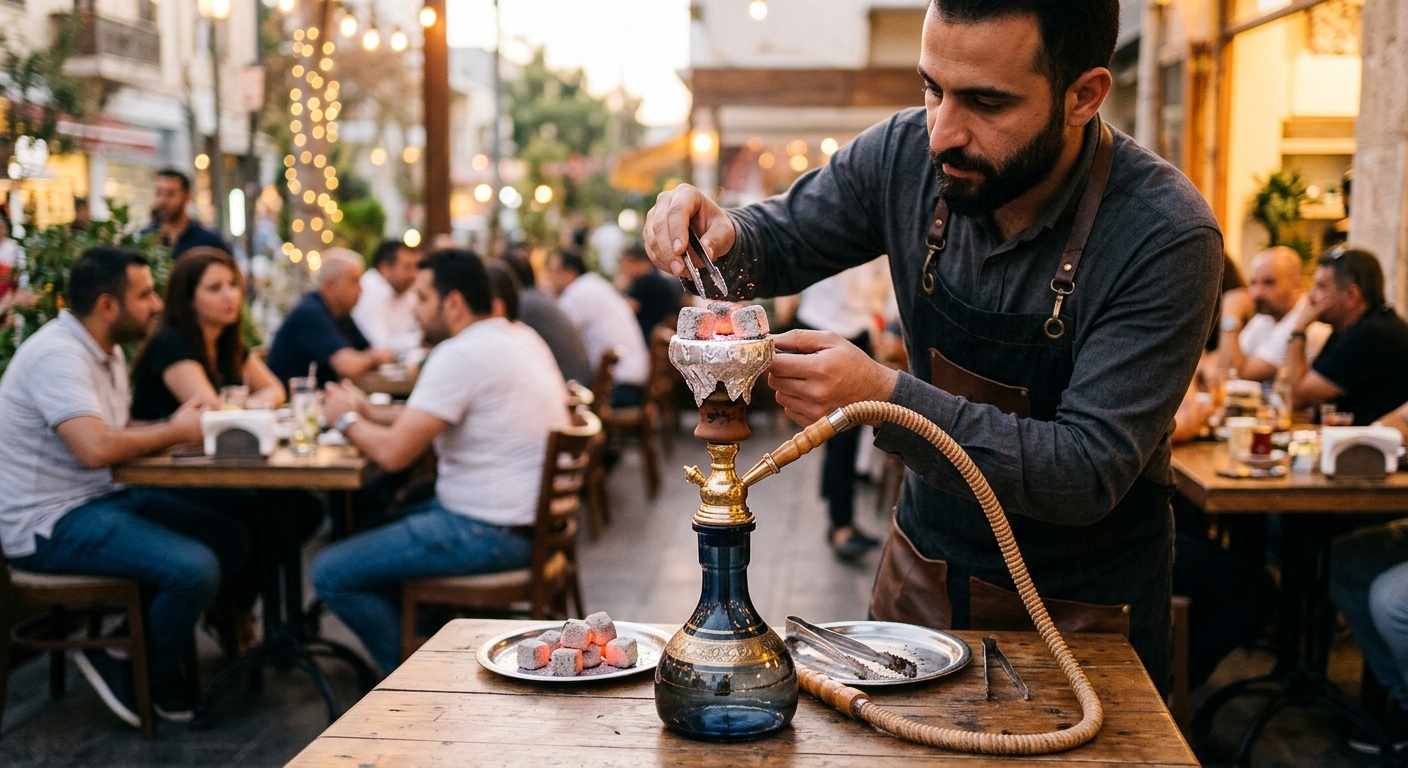
Introduction to the Art of Shisha
For centuries, the practice of gathering to smoke shisha has served as a cornerstone of social interaction across the Middle East, Asia, and North Africa. Today, this tradition has transcended cultural boundaries, captivating enthusiasts worldwide who appreciate the nuanced flavors, the relaxing ambiance, and the communal experience it provides. Whether you refer to it as hookah, narghile, argileh, or waterpipe, the fundamental mechanics and the rich heritage remain consistent. Understanding how to properly prepare and smoke shisha is essential for achieving a smooth, flavorful, and enjoyable session. This comprehensive guide will explore the intricacies of shisha preparation, the vital components of a hookah setup, and the critical role that high-quality charcoal plays in the overall experience.
Understanding the Anatomy of a Shisha Setup
To truly master the art of smoking shisha, one must first understand the anatomy of the apparatus. A standard hookah consists of several key components, each playing a crucial role in cooling, filtering, and delivering the smoke.
- The Bowl: Located at the very top, the bowl holds the shisha tobacco (often referred to as mu'assel, a mixture of tobacco, molasses, vegetable glycerin, and flavorings). Bowls come in various materials, including clay, silicone, and glass, each offering different heat retention properties.
- The Tray: Sitting just below the bowl, the tray catches falling ash and provides a resting place for your tongs and spare charcoal.
- The Stem: This is the central pipe through which the smoke travels down from the bowl into the water base.
- The Base: Typically made of glass, the base is filled with water (and sometimes ice) to cool and lightly filter the smoke as it passes through.
- The Hose: Connected to the stem or base, the hose is the conduit through which the smoker draws the cooled, flavored smoke.
When you draw air through the hose, the negative pressure pulls heat from the burning charcoal down through the tobacco in the bowl. The heated tobacco releases vapor and smoke, which travels down the stem, bubbles through the water in the base, and finally reaches the smoker via the hose.
The Critical Role of Charcoal in Shisha Smoking
Perhaps the most common mistake made by beginners learning to smoke shisha is underestimating the importance of the charcoal. The heat source dictates the temperature at which the tobacco bakes. If the heat is too intense, the tobacco will scorch, resulting in a harsh, acrid smoke that can ruin a session. If the heat is insufficient, the flavor will be weak, and the smoke output will be minimal. There are primarily two types of charcoal used in shisha smoking: quick-light charcoal and natural coconut charcoal.
Quick-light charcoals are coated with a chemical accelerant (such as sulfur) that allows them to ignite rapidly with a standard lighter. While convenient, they often impart a chemical taste to the smoke, burn hotter and faster, and produce significantly more ash. Professional shisha smokers strongly advocate for natural coconut charcoal. Made from compressed coconut shells, these coals require a dedicated heating element, such as an electric coil burner, to ignite. However, the benefits far outweigh the inconvenience. They burn cleaner, last longer, and emit no odor or flavor that could interfere with your premium shisha tobacco. For an in-depth look at why coconut coals are superior, you can read Carbones de Coco: The Ultimate Guide to Coconut Charcoal.
To help you understand the differences between the two primary types of shisha charcoal, the following table compares their key attributes, demonstrating why natural coconut charcoal is the preferred choice for enthusiasts.
| Charcoal Type | Ignition Time | Burn Duration | Impact on Flavor | Ash Production |
|---|---|---|---|---|
| Quick-Light Charcoal | 1 - 2 minutes | 30 - 45 minutes | High (Chemical taste) | High |
| Natural Coconut Charcoal | 10 - 15 minutes | 60 - 90 minutes | None (Clean burn) | Low |
Heat Management: The Secret to the Perfect Session
Once you have selected your premium coconut charcoal, managing the heat applied to your shisha bowl is the next crucial step. Heat Management Devices (HMDs) have revolutionized the way people smoke shisha. These metal devices sit on top of the bowl, replacing traditional aluminum foil. They house the burning charcoal and feature adjustable vents that allow you to control the airflow and, consequently, the temperature.
If you are using traditional aluminum foil, proper poking is essential. Use a specialized foil poker or a toothpick to create small, evenly spaced holes. Start with two to three pieces of well-lit coconut charcoal placed on the outer edge of the bowl. As the session progresses and the coals shrink, gradually move them closer to the center to maintain consistent heat. It is vital to periodically ash your coals (tapping them on the tray to remove loose ash) to ensure they continue to emit optimal heat. For more expert advice and a deeper dive into charcoal varieties and quality standards, refer to this Arabic resource: الدليل الشامل لاختيار فحم شيشه: الأنواع، الجودة، والنصائح.
Packing Techniques for Optimal Flavor
How you pack the tobacco into the bowl heavily influences the quality of the smoke. Different brands of shisha tobacco require different packing methods due to variations in cut, moisture content, and leaf type (blonde leaf vs. dark leaf).
- Fluff Pack: Ideal for most modern blonde leaf tobaccos. Simply sprinkle the tobacco into the bowl, ensuring it remains loose and airy. This allows the heat to penetrate the tobacco evenly.
- Semi-Dense Pack: Best for slightly finer cuts and moister brands. The tobacco is gently pressed down, reducing some of the air pockets but still allowing decent airflow.
- Dense Pack: Typically reserved for dark leaf tobaccos. The tobacco is packed tightly into the bowl. Because dark leaf tobacco is more robust and contains higher nicotine levels, a dense pack restricts airflow slightly, providing a slower, more controlled release of heat and flavor.
Regardless of the packing method, always ensure that the tobacco sits slightly below the rim of the bowl. If the tobacco touches the foil or the HMD, it will burn immediately upon contact with the heat source, creating a harsh taste.
Maintenance and Hygiene
A pristine shisha setup is paramount for experiencing the true flavor of your tobacco. Over time, ghosting (the lingering flavor of previously smoked tobaccos) can occur in the stem and hose. Regular cleaning with warm water and appropriate brushes is necessary. The water in the base should be changed after every session. Furthermore, using a washable silicone hose rather than a traditional leather hose prevents flavor build-up and allows for thorough sanitization. Always ensure your equipment is completely dry before storage to prevent rust or mold development.
Conclusion
To properly smoke shisha is to engage in a ritual that balances preparation, patience, and quality components. From understanding the fluid dynamics of the waterpipe to selecting premium coconut charcoal and mastering heat management, every step contributes to the final experience. By investing in high-quality equipment, practicing meticulous packing techniques, and prioritizing clean heat sources, you can elevate your shisha sessions from mediocre to extraordinary. Remember that the ultimate goal is relaxation and enjoyment, so take the time to refine your setup and savor the diverse world of shisha flavors.
Frequently Asked Questions
What is the difference between blonde leaf and dark leaf shisha?
Blonde leaf shisha is washed during production to lower the nicotine content and provide a lighter, more flavor-forward smoke. Dark leaf shisha is unwashed or lightly washed, retaining a higher nicotine content and robust, earthy tobacco undertones, generally favored by experienced smokers.
How much water should I put in the shisha base?
The water level should submerge the bottom of the downstem by approximately one to one-and-a-half inches. Too much water will make it difficult to draw smoke, while too little water will fail to cool and filter the smoke adequately.
How do I know when my coconut charcoal is fully lit?
Natural coconut charcoal is ready to use when it is completely glowing red and covered in a fine layer of light gray ash. If there are any black, unlit patches remaining on the coal, it needs more time on the burner; otherwise, it may emit carbon monoxide and a foul taste.
Why is my shisha smoke harsh?
Harsh smoke is almost always the result of too much heat. This can happen if the tobacco is packed too high and touches the heat source, or if too many coals are placed on the bowl. To fix this, remove a coal, open the vents on your HMD, or gently purge (blow into) the hose to clear the stale smoke from the base.