A Comprehensive Guide to Shisha Coal: Types, Benefits, and Best Practices
Introduction to Shisha Coal
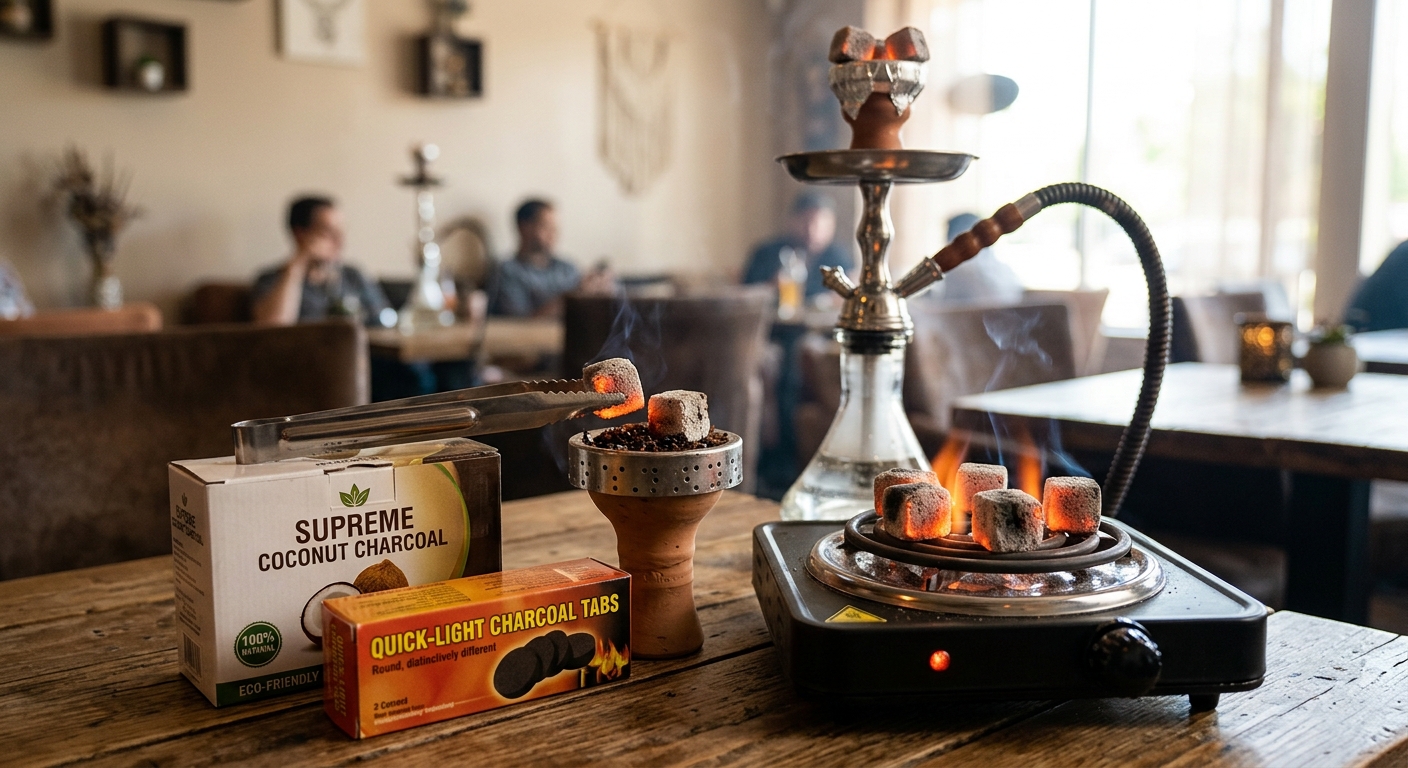
For hookah enthusiasts and lounge owners alike, understanding the intricacies of shisha coal is fundamental to a perfect smoking experience. While the tobacco (or shisha) provides the flavor, the coal acts as the engine, heating the tobacco to produce thick, flavorful smoke. The right choice of charcoal can elevate a session, while a poor choice can ruin it with harsh tastes, inadequate heat, or excessive ash. In this comprehensive guide, we will explore the different types of shisha coals available on the market, how they are manufactured, and how to choose the right one for your needs.
Understanding the Types of Shisha Coal
Generally, shisha coals are divided into two main categories: quick-light coals and natural coals. Each type serves a different purpose and appeals to different kinds of users depending on their priorities regarding convenience, flavor, and session length.
Quick-Light Coals
Quick-light coals are designed for convenience and speed. They are coated with a chemical accelerant, such as sulfur or saltpeter, which allows them to be lit easily with a standard cigarette lighter or a match. Within seconds, the coal begins to spark and ignite, and it is usually ready for use within a minute or two.
While they are extremely convenient for outdoor use or when a stove is not accessible, quick-light coals have significant drawbacks. The chemical accelerants often emit a distinct odor and flavor that can interfere with the taste of the shisha. Additionally, they tend to burn much faster than natural coals, requiring more frequent replacements during a session, and they produce a larger amount of fine ash.
Natural Coals
Natural coals are made primarily from compressed coconut shells, wood, or bamboo, with no chemical accelerants added. They require a consistent, high-heat source to ignite, such as a single-coil electric burner or a gas stove, usually taking about 5 to 10 minutes to become fully red and ready.
Despite the longer preparation time, natural coals are vastly preferred by regular hookah smokers and professionals. They burn significantly hotter, last much longer (often up to 90 minutes), and most importantly, they are virtually odorless and tasteless. This ensures that the pure flavor of the shisha tobacco is delivered without any chemical interference. If you want to dive deeper into the benefits of coconut-based natural coals, check out The Ultimate Guide to Coco Coal: Benefits, Manufacturing, and Uses.
Below is a comparison of the key attributes of quick-light versus natural coconut shisha coals to help you decide which is best for your setup.
| Coal Type | Ignition Method | Average Burn Time | Impact on Flavor |
|---|---|---|---|
| Quick-Light | Standard Lighter | 30 - 45 minutes | High (Chemical taste) |
| Natural Coconut | Electric Burner | 60 - 90 minutes | Minimal to None |
The Rise of Coconut Charcoal Briquettes
Among natural coals, coconut charcoal briquettes have become the gold standard in the hookah industry. Unlike traditional wood coals, which require cutting down trees, coconut coals are made from the discarded shells of coconuts, making them a highly sustainable and eco-friendly byproduct of the coconut industry.
The manufacturing process involves carbonizing the coconut shells, crushing them into a fine powder, mixing them with a natural binder (like tapioca starch), and pressing them into precise shapes—most commonly cubes, flats, or hexagons. The high density of these briquettes allows for a slow, consistent burn with minimal ash production. For businesses looking to source these products at scale, reading up on Coconut Charcoal Briquettes Wholesale: The Ultimate Guide for Buyers provides invaluable insights into quality control and purchasing strategies.
How to Properly Light and Manage Shisha Coal
Proper heat management is crucial for a smooth hookah session. Knowing how to light and maintain your coals will prevent the tobacco from burning too quickly and ensure a consistent smoke output.
Lighting Natural Coals
To light natural coals, place them on a dedicated electric coil burner. Avoid using glass top stoves, as the intense heat can crack the glass. Turn the burner to high. After about 4 to 5 minutes, the bottom half of the coals should be glowing red. Use metal hookah tongs to carefully flip each coal. Wait another 3 to 4 minutes until the coals are completely covered in a fine layer of grey ash and glowing red all over. Do not place black, unlit coals on your hookah bowl, as they can produce carbon monoxide and ruin the flavor.
Heat Management Techniques
Once your coals are lit, place them on the edge of the hookah bowl (whether on foil or in a Heat Management Device) rather than directly in the center. Starting at the edges allows the bowl to heat up evenly and prevents the shisha from scorching. As the session progresses and the coals shrink, you can slowly move them toward the center to maintain the heat level. Regularly ash the coals by gently dropping them in the tray to remove the outer layer of ash, which can act as an insulator and reduce the heat output.
Conclusion
Choosing the right shisha coal is just as important as selecting a premium tobacco flavor. While quick-light coals offer undeniable convenience for travel or emergencies, natural coconut coals are the undisputed choice for a clean, long-lasting, and flavorful smoking experience. By understanding the different types of coals, how they are made, and how to manage them properly, you can significantly enhance your hookah sessions and enjoy the purest flavors possible.
Frequently Asked Questions
Can I use barbecue coal for my hookah?
No, you should never use standard barbecue coal for smoking hookah. BBQ coals contain toxic chemicals, fillers, and binders designed for cooking food outdoors, which are extremely hazardous to inhale and will produce a terrible taste.
How do I know when my natural coals are fully lit?
Natural coals are fully lit when they are glowing red all over and covered in a thin, even layer of grey ash. There should be no black spots remaining on the charcoal.
Why does my hookah taste burnt?
A burnt taste usually indicates poor heat management. You may have too many coals on the bowl, the coals might be placed directly in the center, or the shisha tobacco may be packed too high and is touching the foil or heat management device directly. Try removing a coal or moving them to the outer edges of the bowl.
How long do natural shisha coals last?
Depending on the size and shape of the briquette, as well as how often you draw from the hookah, high-quality natural coconut coals typically last between 60 to 90 minutes per session.