A Comprehensive Guide to Coal Cubes: Sourcing, Quality, and Applications
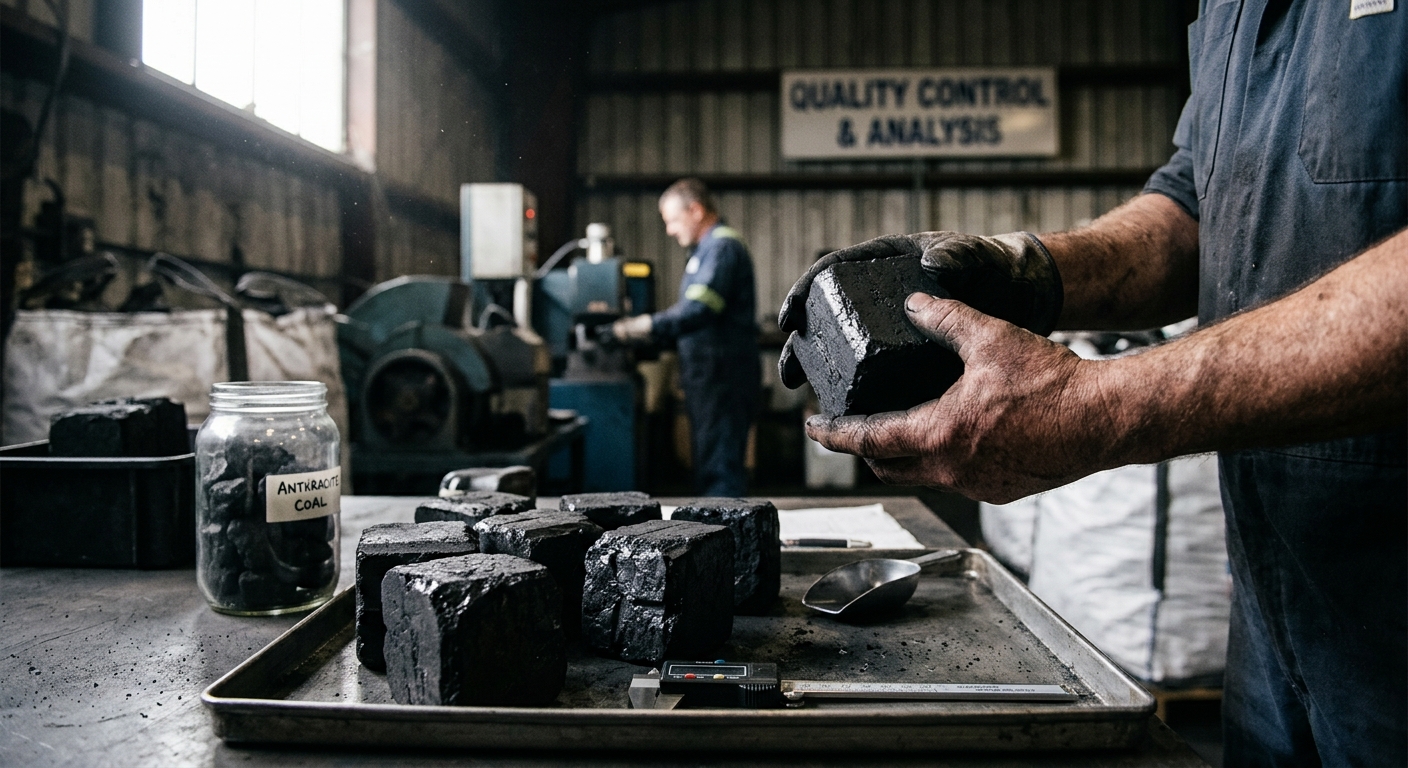
Introduction to Coal Cubes
Coal cubes have become a standard in various industries, prized for their uniform shape, consistent burn rate, and reliable heat output. Whether used for industrial heating, culinary applications, or recreational smoking, the quality of coal cubes plays a pivotal role in the end user's experience. In recent years, the market has seen a significant shift toward sustainable alternatives, making it essential to understand the different types of coal cubes available and how they are manufactured.
The Manufacturing Process of Coal Cubes
The production of high-quality coal cubes involves a meticulous process. Raw materials, often varying from traditional wood charcoal to more sustainable options like coconut shells, are first carbonized. This carbonization process removes moisture and volatile compounds, leaving behind pure carbon. The resulting char is then crushed into a fine powder, mixed with a natural binder (such as tapioca starch), and pressed into uniform cubes using specialized machinery. This extrusion and cutting process ensures that every cube maintains the exact same dimensions, which is crucial for achieving a predictable burn time and heat consistency.
For those interested in the supply chain and production of eco-friendly options, understanding the landscape of Coconut Briquettes Manufacturers: A Comprehensive Guide provides valuable insights into how premium coconut-based coal cubes are brought to market.
Types of Coal Cubes
Traditional Wood Charcoal Cubes
Historically, coal cubes were predominantly made from wood charcoal. While they are easy to ignite and provide a good initial burst of heat, they often burn faster and can produce more ash and smoke compared to their modern counterparts. These are still widely used in general grilling and some industrial applications where long-lasting, smokeless heat is not the primary concern.
Coconut Shell Coal Cubes
Coconut shell coal cubes represent the gold standard in today's market, particularly for specialized applications. These cubes are favored because they are highly dense, burn longer, and produce significantly less ash. Furthermore, because they are made from agricultural waste, they are an environmentally friendly alternative to traditional wood charcoal, preventing deforestation and utilizing renewable resources.
Applications of Premium Coal Cubes
The uniform shape and consistent performance of coal cubes make them ideal for a variety of uses. In the culinary world, they are often used in specialized grills and smokers where maintaining a specific temperature is critical. Beyond cooking, they are widely recognized as the preferred heat source in recreational settings.
For instance, the cultural practice of smoking shisha relies heavily on the quality of the coal. Premium coal cubes ensure that the flavor is not tainted by chemical tastes or excessive smoke. To understand the cultural significance and the role of quality components in this practice, one can explore The Benefits of Hookah: A Professional Perspective on Culture, Connection, and Quality, which highlights why consistent heat from top-tier coal cubes is indispensable.
Comparing Coal Cube Materials
Choosing the right coal cube often comes down to understanding the differences between the raw materials used. Below is a comparison between traditional wood charcoal cubes and coconut shell cubes based on key performance metrics.
| Material Type | Burn Time | Ash Production | Eco-Friendliness |
|---|---|---|---|
| Traditional Wood | 60 Minutes | High | Low |
| Coconut Shell | 120 Minutes | Low | High |
Conclusion
Coal cubes are a versatile and essential product across multiple sectors. From their precise manufacturing process to their diverse applications, understanding the nuances of coal cubes allows consumers and businesses to make informed purchasing decisions. As the market continues to prioritize sustainability and performance, coconut shell coal cubes stand out as the superior choice, offering longer burn times, lower ash production, and a cleaner overall experience.
Frequently Asked Questions
What are coal cubes made of?
Coal cubes can be made from various carbonized materials, including traditional wood, bamboo, or coconut shells. The raw material is crushed into a powder, mixed with a natural binder, and pressed into a cube shape.
Why are coconut shell coal cubes considered superior?
Coconut shell coal cubes are denser, which allows them to burn longer and more consistently. They also produce less ash and are completely odorless, ensuring they do not interfere with the flavor of food or shisha.
How should coal cubes be stored?
Coal cubes should be stored in a cool, dry place away from direct moisture. Keeping them in an airtight container or a tightly sealed bag will prevent them from absorbing humidity, which can negatively affect their ignitability and burn performance.