Comprehensive Guide to Carbon de Coco: Sustainable Charcoal
Introduction to Carbon de Coco
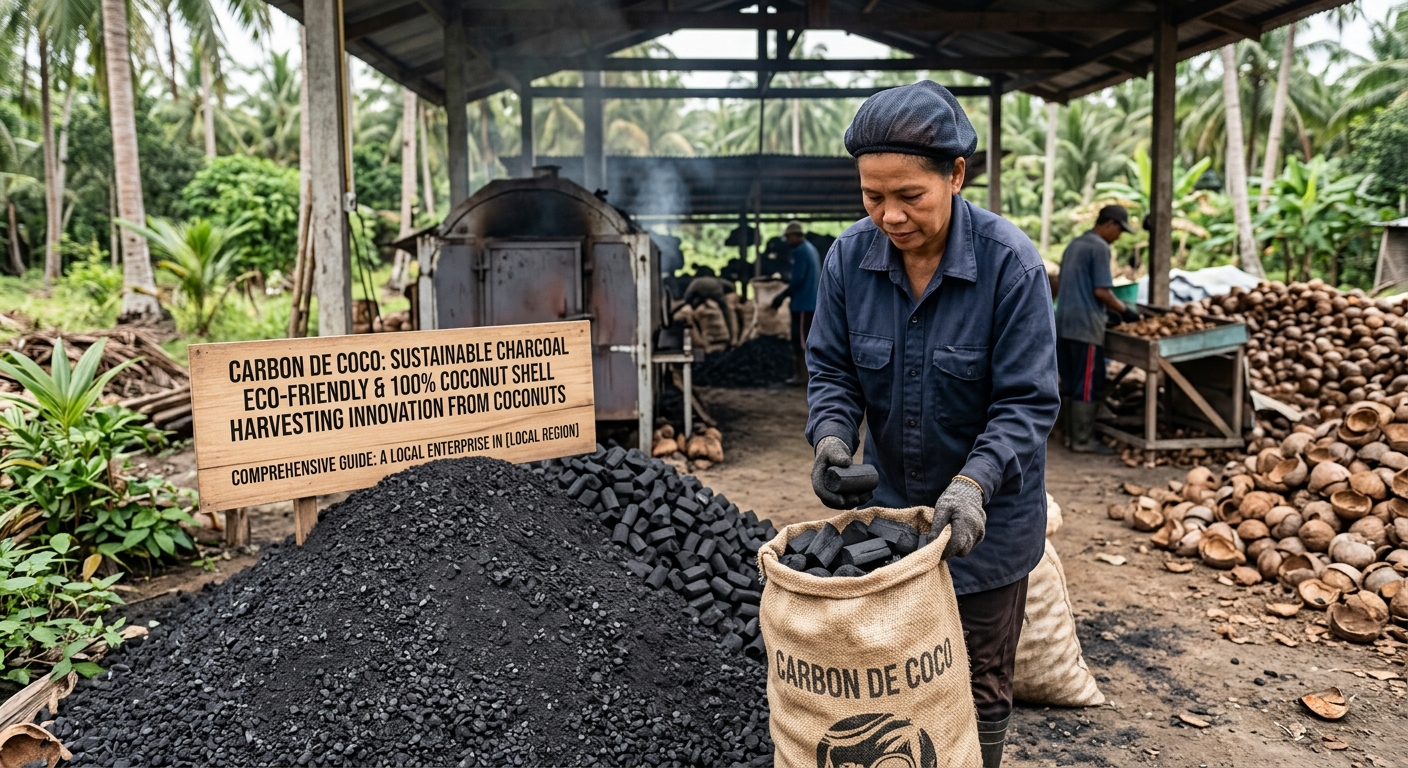
Carbon de coco, or coconut shell charcoal, has revolutionized the market for sustainable fuel sources. As the world shifts towards more eco-friendly alternatives, carbon de coco stands out as a premium choice for both recreational and culinary applications. This natural charcoal is produced from the shells of coconuts, an abundant agricultural byproduct. Instead of discarding these shells, they are carbonized and compressed into briquettes, providing a clean-burning, high-heat energy source.
In recent years, the popularity of carbon de coco has surged, particularly among hookah enthusiasts and barbecue aficionados. Its unique properties, such as minimal ash production, lack of chemical additives, and long burning time, make it superior to traditional wood charcoal or quick-light alternatives.
The Production Process of Carbon de Coco
The journey from coconut shell to high-quality carbon de coco involves several meticulous steps to ensure the final product burns cleanly and efficiently. The process begins with the collection of mature coconut shells, which are separated from the copra (coconut meat) and husk. These shells are then sun-dried to reduce their moisture content.
Carbonization
Once dried, the shells undergo carbonization. This is typically done in a kiln or a drum retort, where the shells are heated to extremely high temperatures (often exceeding 600 degrees Celsius) in an oxygen-restricted environment. This process burns off volatile compounds, leaving behind high-carbon charcoal. The quality of the carbonization heavily influences the final product's heat output and ash content.
Crushing and Mixing
The carbonized shells are then crushed into a fine powder. To bind the powder into briquettes, a natural binder, usually a food-grade tapioca starch, is mixed with the charcoal dust and water. It is crucial that no chemical binders or accelerants are used, as these can affect the taste of the food or the purity of the smoke during recreational use.
Molding and Drying
The mixture is then fed into a molding machine, which presses the charcoal into various shapes, most commonly cubes, flats, or hexagonal logs, depending on the intended use. Finally, the briquettes are dried in large industrial ovens to remove any remaining moisture, ensuring they are hard, dense, and ready for use.
Why Choose Carbon de Coco?
The benefits of using carbon de coco over traditional charcoal are numerous. Here are some of the key advantages:
- Eco-Friendly and Sustainable: Carbon de coco is made from a renewable resource. No trees are cut down to produce it, making it a highly sustainable option.
- High Heat and Long Burn Time: Coconut charcoal burns hotter and longer than standard wood charcoal. A typical briquette can last anywhere from 1.5 to 2 hours.
- Low Ash Production: High-quality carbon de coco leaves behind very little ash (usually under 3%), which makes cleaning up much easier.
- Odorless and Tasteless: Because it contains no sulfur or chemical accelerants, it does not impart any unwanted flavors or odors, making it perfect for grilling delicate foods or for use in a hookah.
Carbon de Coco in the Hookah Experience
For hookah lovers, the choice of charcoal is just as important as the choice of shisha tobacco. Carbon de coco has become the gold standard in the hookah community. Unlike quick-light coals, which contain gunpowder or other chemicals that can ruin the flavor of the shisha and cause headaches, coconut coals provide a pure, clean heat. If you want to learn more about the complete hookah experience, you can read this الدليل الشامل عن الشيشة: التاريخ، المكونات، والأضرار.
When preparing a hookah, carbon de coco cubes are typically heated on an electric coil burner until they are glowing red all the way through. This process takes about 10-15 minutes but is well worth the wait. The consistent, even heat helps to bake the shisha tobacco properly, producing thick, flavorful clouds without harshness. For a deeper dive into the history and components of the waterpipe, check out this الدليل الشامل عن الأركيلة: تاريخها، مكوناتها، وتأثيراتها.
Comparing Charcoal Types
To better understand why carbon de coco is highly regarded, let us compare it directly with traditional wood lump charcoal and quick-light charcoal based on their burning characteristics.
| Charcoal Type | Burn Time | Ash Production | Chemical Additives |
|---|---|---|---|
| Carbon de Coco | 90 - 120 minutes | Very Low (Under 3%) | None (Natural Binder) |
| Wood Lump Charcoal | 45 - 60 minutes | Medium to High | None |
| Quick-Light Coals | 30 - 45 minutes | High | Yes (Accelerants) |
Carbon de Coco for Grilling and BBQ
Beyond the hookah, carbon de coco is making a significant impact in the culinary world. Pitmasters and backyard grilling enthusiasts are discovering the benefits of using coconut charcoal briquettes. The consistent high heat is perfect for searing steaks, while the long burn time is ideal for slow-cooking and smoking meats.
Furthermore, because carbon de coco does not produce the same level of sparks or smoke as traditional wood charcoal, it provides a much more pleasant grilling experience. The lack of heavy smoke also means that the natural flavors of the food are allowed to shine without being overpowered by a strong smoky taste, unless specific smoking woods are intentionally added to the fire.
Conclusion
Carbon de coco represents a significant step forward in the evolution of charcoal. By utilizing a previously discarded agricultural byproduct, manufacturers have created a fuel source that is not only highly efficient but also environmentally responsible. Whether you are looking to enjoy a clean, flavorful hookah session or want to elevate your backyard barbecue, carbon de coco offers unmatched performance. Its high heat, long burn time, low ash, and lack of chemical additives make it a superior choice for discerning consumers worldwide.
Frequently Asked Questions (FAQ)
What is carbon de coco made of?
Carbon de coco is made from 100% natural coconut shells that have been carbonized, crushed into a powder, mixed with a natural plant-based binder like tapioca starch, and pressed into briquettes.
How do you light carbon de coco?
Because it lacks chemical accelerants, carbon de coco cannot be lit with a standard lighter. It requires a dedicated heat source, such as an electric coil burner or a gas stove. It takes about 10 to 15 minutes to fully light, turning grey and glowing red.
Is carbon de coco environmentally friendly?
Yes, it is highly eco-friendly. It is made from coconut shells, which are a renewable byproduct of the coconut oil and water industries. No trees are cut down to produce carbon de coco.
Can I use carbon de coco for indoor grilling?
While carbon de coco burns very cleanly with minimal smoke, it still produces carbon monoxide. Any type of charcoal grilling should only be done outdoors or in a highly ventilated, professionally designed indoor commercial kitchen setting.