Comprehensive Guide to Coconut Shell Charcoal Manufacturers
Introduction to Coconut Shell Charcoal Manufacturers
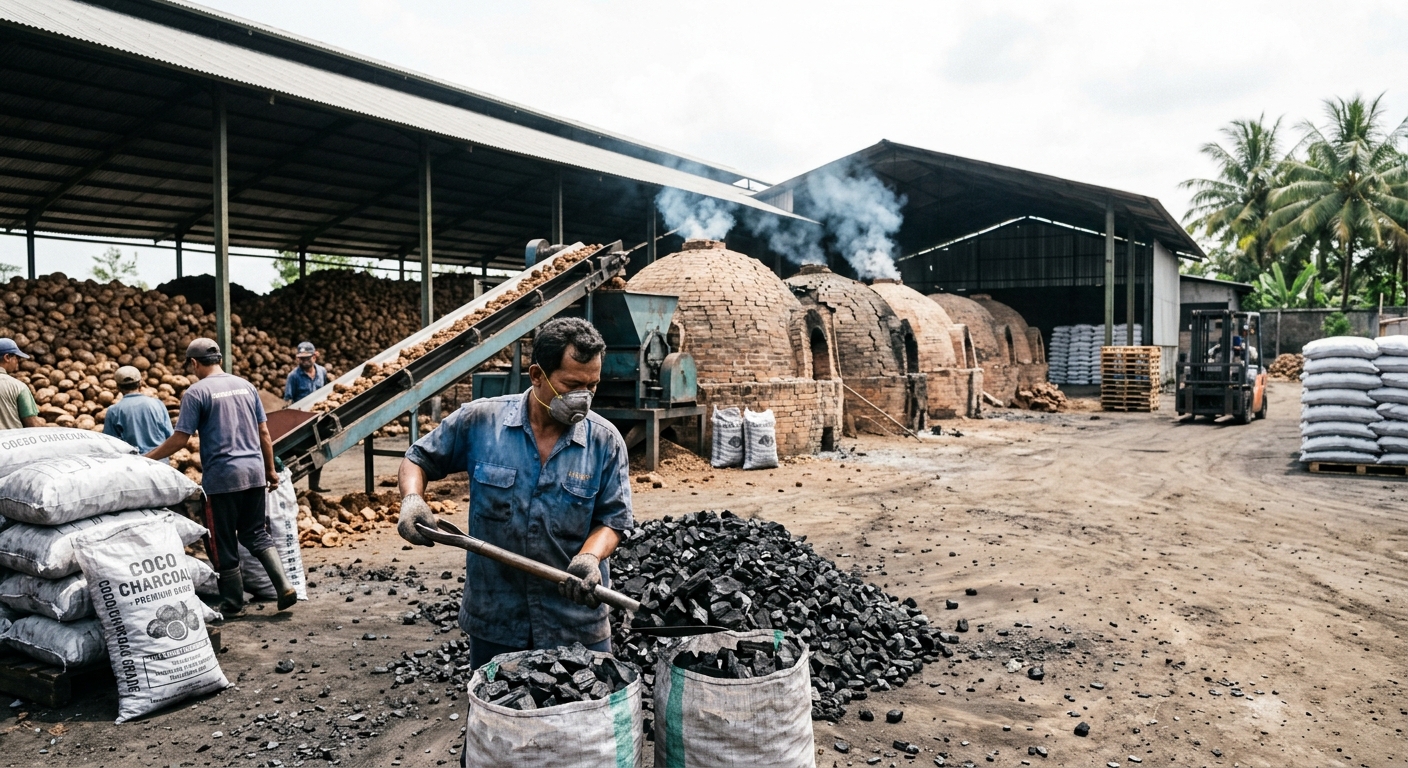
In recent years, the global demand for sustainable and efficient energy sources has skyrocketed. Among the most popular eco-friendly alternatives is coconut shell charcoal. Producing this high-value commodity requires the expertise of dedicated coconut shell charcoal manufacturers who transform agricultural waste into premium fuel. These manufacturers play a pivotal role in supplying markets ranging from barbecue and culinary applications to activated carbon production and the traditional hookah industry.
Coconut shell charcoal is prized for its high carbon content, low ash residue, and extended burning time. Unlike traditional wood charcoal, it does not require cutting down trees, making it a highly sustainable option. Manufacturers source raw coconut shells primarily from tropical regions where coconuts are abundantly grown, ensuring a steady supply of raw materials while providing additional income streams for local farmers.
The Manufacturing Process
The journey from a discarded coconut shell to a premium charcoal briquette is meticulous and requires precise temperature control and processing techniques. Professional manufacturers follow a series of standardized steps to ensure the highest quality output.
Carbonization
The first step in the manufacturing process is carbonization. Raw coconut shells are cleaned, dried, and then burned in a controlled environment with limited oxygen supply. This process, known as pyrolysis, converts the shells into raw charcoal by removing moisture and volatile compounds. The resulting product is highly porous and rich in carbon.
Crushing and Mixing
Once carbonized, the charcoal is crushed into a fine powder. This powder is then mixed with a natural binder, typically tapioca starch or cassava flour, and water. The binding agent ensures that the charcoal dust can be molded into dense, durable briquettes that will not easily break during transportation or use.
Briquetting and Drying
The charcoal mixture is fed into a briquetting machine, which extrudes or presses it into various shapes, such as cubes, cylinders, or hexagons. After shaping, the briquettes must be thoroughly dried to reduce their moisture content to an optimal level, usually below 5%. Industrial ovens or massive drying rooms are utilized for this purpose, ensuring a consistent and long-burning final product.
For those looking to source these products, understanding the manufacturing standards is crucial. You can learn more by reading about a Coconut Charcoal Briquette Supplier: A Comprehensive Guide to Quality and Sourcing, which details the importance of selecting the right manufacturing partners.
Applications of Coconut Shell Charcoal
Coconut shell charcoal produced by professional manufacturers finds its way into several diverse industries, each valuing its unique properties.
Culinary and Barbecue
Due to its high heat output, minimal smoke, and lack of chemical additives, coconut shell charcoal is highly sought after by culinary professionals and barbecue enthusiasts. It provides a clean burn that does not impart unwanted flavors to the food, making it ideal for grilling high-quality meats and vegetables.
Hookah and Shisha
Perhaps one of the most prominent uses of premium coconut shell charcoal briquettes is in the hookah industry. Hookah enthusiasts require a heat source that is consistent, odorless, and leaves very little ash. To understand the cultural context of this application, you might explore What is Shisha? A Comprehensive Guide to Hookah Culture and Origins. Coconut charcoal cubes are the gold standard for heating shisha tobacco without ruining the flavor profile.
Activated Carbon Industry
Beyond fuel, coconut shell charcoal is the primary raw material for manufacturing activated carbon. The high microporosity of coconut shell carbon makes it exceptionally effective for water purification, air filtration, and gold extraction processes. Manufacturers often produce a specific grade of granulated charcoal destined exclusively for activation plants.
Below is a comparison of different grades of coconut shell charcoal produced by manufacturers for specific applications:
| Application | Shape/Form | Ash Content | Burning Time |
|---|---|---|---|
| Hookah/Shisha | Cubes / Flats | Below 2.5% | 90 - 120 minutes |
| Barbecue (BBQ) | Hexagonal / Pillow | 3% - 5% | 3 - 4 hours |
| Activated Carbon | Granular / Flakes | Below 2% | N/A (Used for filtration) |
Choosing the Right Manufacturer
Selecting a reliable coconut shell charcoal manufacturer is essential for businesses looking to import or distribute these products. Key factors to consider include production capacity, quality control measures, and sustainability practices.
A reputable manufacturer will have transparent sourcing methods, ensuring that no underage labor is used and that farmers are compensated fairly. Furthermore, they will possess the necessary certifications, such as REACH or ISO standards, proving their commitment to quality and safety. Packaging capabilities, export experience, and the ability to customize briquette shapes and sizes are also vital attributes of a top-tier manufacturer.
Conclusion
Coconut shell charcoal manufacturers are at the forefront of the green energy and sustainable fuel movement. By upcycling agricultural waste into high-value products, they provide essential resources for the culinary, filtration, and hookah industries globally. Understanding their processes, product grades, and quality standards empowers buyers to make informed decisions and build long-lasting, profitable business relationships. As the demand for eco-friendly alternatives continues to grow, the role of these manufacturers will only become more significant.
Frequently Asked Questions
Why is coconut shell charcoal considered eco-friendly?
It is considered eco-friendly because it utilizes the discarded shells of coconuts, an agricultural byproduct. This process prevents the shells from becoming waste and eliminates the need to cut down trees for wood charcoal production.
What is the typical moisture content of premium coconut charcoal briquettes?
Premium coconut charcoal briquettes usually have a moisture content of less than 5%. This low moisture level is critical for ensuring a quick ignition and a long, stable burning time.
Can coconut shell charcoal be used indoors?
While coconut shell charcoal produces significantly less smoke and carbon monoxide than traditional wood charcoal, it still consumes oxygen and emits some gases. It should only be used indoors in highly ventilated areas or for specific applications like heating hookah in properly equipped lounges.
What makes coconut charcoal better for hookah than quick-light coals?
Coconut charcoal is made from natural ingredients and contains no chemical accelerants. It burns hotter, lasts longer, produces less ash, and, most importantly, does not impart any chemical taste to the shisha, unlike quick-light coals.