The Comprehensive Guide to Choosing a Coconut Shell Charcoal Manufacturer in Indonesia
Introduction to Indonesia's Coconut Shell Charcoal Industry
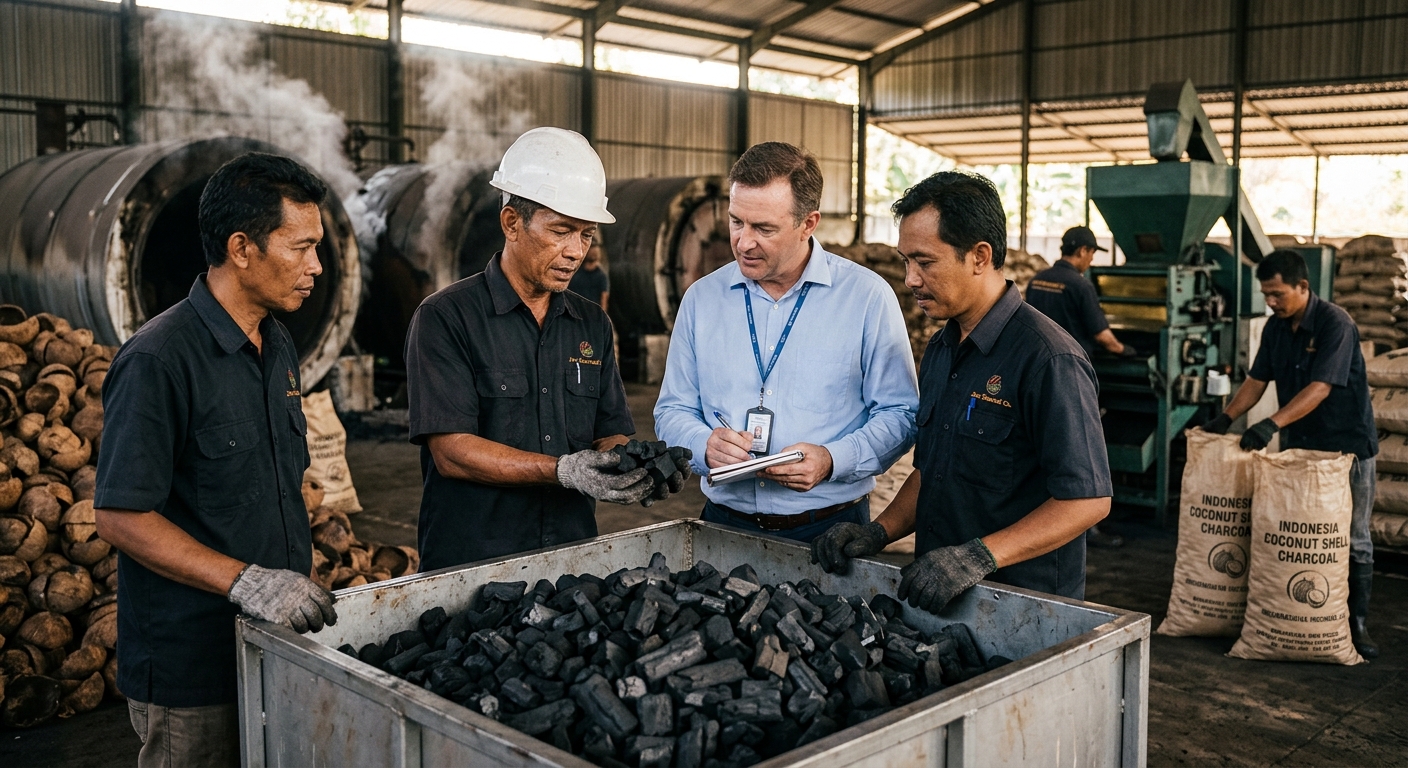
Indonesia has established itself as the undisputed global leader in the production and export of coconut shell charcoal. With its vast tropical archipelago providing an abundant supply of coconuts, the country boasts a unique geographical advantage. A coconut shell charcoal manufacturer in Indonesia leverages this natural bounty to produce some of the highest-quality charcoal briquettes in the world. These products are highly sought after across the globe for applications ranging from barbecue grilling to premium shisha and hookah smoking. In this comprehensive guide, we will delve into the intricacies of the Indonesian coconut shell charcoal industry, the manufacturing processes involved, and the essential factors to consider when selecting a reliable supplier for your business.
Why Indonesia is the Premier Hub for Coconut Charcoal
The dominance of Indonesia in the coconut charcoal market is not merely a coincidence; it is the result of favorable agricultural conditions combined with a highly developed manufacturing infrastructure. The country's tropical climate allows for year-round harvesting of coconuts, ensuring a steady and reliable supply of raw materials. Furthermore, Indonesian farmers and manufacturers have spent decades perfecting the art of carbonization and briquetting.
Unlike hardwood charcoal, which often contributes to deforestation, coconut shell charcoal is a sustainable and eco-friendly alternative. It utilizes the discarded shells of coconuts, transforming agricultural waste into a high-value energy source. This sustainable approach has made Indonesian coconut charcoal highly attractive to environmentally conscious consumers and businesses worldwide.
The Manufacturing Process of Coconut Shell Charcoal
The journey from a raw coconut shell to a premium charcoal briquette involves a meticulous and highly controlled manufacturing process. A reputable coconut shell charcoal manufacturer in Indonesia will adhere to strict quality control measures at every stage to ensure the final product meets international standards.
1. Sourcing and Selection
The process begins with the careful selection of mature coconut shells. The quality of the raw material directly impacts the density, burning time, and ash content of the final briquette. Manufacturers typically source shells from specific regions known for producing dense, thick-shelled coconuts, such as Sulawesi, Sumatra, and Java.
2. Carbonization
The selected shells undergo a process called carbonization, where they are burned in a low-oxygen environment. This step removes moisture and volatile compounds, leaving behind carbon-rich char. The temperature and duration of the carbonization process must be precisely controlled to maximize carbon content and minimize ash yield.
3. Crushing and Sieving
Once carbonized, the coconut shell char is crushed into a fine powder. The powder is then sieved to ensure a uniform particle size, which is crucial for creating smooth, densely packed briquettes.
4. Mixing and Binding
The fine charcoal powder is mixed with a natural binder, typically tapioca starch, and water. This mixture is blended thoroughly to ensure the binder is evenly distributed. High-quality manufacturers avoid using chemical additives, ensuring the briquettes remain 100% natural and odorless when burned.
5. Briquetting and Shaping
The charcoal mixture is then fed into a briquetting machine, where it is subjected to high pressure to form the desired shapes. Common shapes include cubes, flats, fingers, and hexagons, each catering to different market preferences.
6. Drying and Packaging
The newly formed briquettes contain significant moisture and must be dried in industrial ovens. The drying process is critical; if the briquettes are not dried adequately, they will be difficult to light and will produce excess smoke. Once dried to a moisture content of below 5%, the briquettes are carefully cooled and packaged for export.
Applications of Indonesian Coconut Shell Charcoal
The superior qualities of Indonesian coconut shell charcoal make it suitable for a variety of demanding applications. Its high carbon content, low ash production, and lack of smoke or odor are highly prized in both recreational and industrial sectors.
Premium Shisha and Hookah
The most lucrative and demanding market for coconut shell charcoal is the shisha and hookah industry. Enthusiasts demand charcoal that burns incredibly hot, lasts for a long time, and, most importantly, does not impart any unwanted flavors to the shisha tobacco. When planning to import these high-quality briquettes, especially for commercial use in hookah lounges or distribution networks, understanding the logistics and procurement process is vital. For businesses looking to scale their operations, reading The Ultimate Guide to Shisha Charcoal Bulk Order in Indonesia provides invaluable insights into navigating export regulations, negotiating with manufacturers, and ensuring a steady supply chain.
Shape and consistency are paramount when selecting premium briquettes. Shisha enthusiasts heavily prefer cube-shaped charcoal because of its stability and even heat distribution. If you are specifically sourcing this popular shape, we highly recommend checking out The Ultimate Guide to Finding a Reliable Shisha Charcoal Cube Supplier in Indonesia to ensure you partner with a manufacturer capable of meeting strict dimensional and quality tolerances.
Barbecue and Grilling
Coconut charcoal briquettes are also highly favored for barbecue grilling. They provide a consistent, long-lasting heat that is perfect for slow-cooking meats. Additionally, because they are smokeless and odorless, they allow the natural flavors of the food to shine through without the overpowering taste of chemical accelerants often found in cheaper charcoal alternatives.
Quality Standards and Specifications
When evaluating a coconut shell charcoal manufacturer in Indonesia, it is essential to understand the technical specifications that define a premium product. Below is a table outlining the standard parameters for high-quality coconut charcoal briquettes designed for the export market.
| Quality Parameter | Premium Specification | Importance |
|---|---|---|
| Carbon Content | 75% - 85% | Higher carbon means higher heat and longer burning time. |
| Ash Content | 1.5% - 2.5% | Low ash prevents a mess and keeps the heat focused. Color should be white or light grey. |
| Moisture Content | Max 5% | Low moisture ensures the charcoal is easy to ignite and burns cleanly. |
| Volatile Matter | 10% - 15% | Low volatile matter results in a smokeless and odorless burn. |
| Burning Time | 90 - 120 minutes | Crucial for prolonged shisha sessions or slow BBQ cooking. |
| Drop Test | Minimum 3 drops | Ensures durability during shipping and handling so briquettes do not crack. |
How to Choose the Right Manufacturer in Indonesia
With hundreds of suppliers operating in Indonesia, selecting the right partner requires due diligence. Here are several key factors to consider:
- Factory Visits and Audits: Whenever possible, visit the manufacturing facility or hire a third-party inspector. This ensures the manufacturer has actual production capabilities and isn't just a trading company.
- Sample Testing: Always request samples before placing a bulk order. Test the samples rigorously for burning time, ash color, drop strength, and odor.
- Production Capacity: Ensure the manufacturer has the capacity to fulfill your volume requirements consistently, especially during peak seasons.
- Certifications: Look for manufacturers with relevant export certifications, such as MSDS (Material Safety Data Sheet) and SHT (Self-Heating Test), which are mandatory for shipping charcoal by sea.
- Transparent Communication: A reliable manufacturer will be transparent about their raw material sourcing, production timelines, and pricing structures.
Conclusion
Partnering with a reputable coconut shell charcoal manufacturer in Indonesia can be a highly profitable venture for businesses in the shisha, BBQ, and fuel distribution industries. Indonesia's unparalleled access to raw materials, coupled with a deep understanding of the carbonization and briquetting processes, results in a product that is unmatched in quality on the global stage. By understanding the manufacturing process, knowing what quality specifications to demand, and conducting thorough due diligence when selecting a supplier, you can secure a reliable source of premium, eco-friendly charcoal that will delight your customers and grow your brand.
Frequently Asked Questions (FAQ)
Why is Indonesian coconut shell charcoal better than hardwood charcoal?
Indonesian coconut shell charcoal is considered superior because it is a sustainable, 100% natural product made from agricultural waste. It boasts a higher carbon content, which translates to a longer, hotter burn. Additionally, it produces significantly less ash and is entirely smokeless and odorless, making it ideal for shisha and indoor grilling.
What is the standard minimum order quantity (MOQ) for importing charcoal from Indonesia?
Most manufacturers in Indonesia require a minimum order quantity of one 20-foot shipping container, which holds approximately 18 to 19 metric tons of charcoal. This is because charcoal is considered dangerous goods for shipping purposes, and shipping Less than Container Load (LCL) can be highly complicated and expensive.
How can I verify the quality of the charcoal before buying in bulk?
To verify quality, you should first request samples from the manufacturer to test burning time, ash content, and durability. For bulk orders, it is highly recommended to hire an independent third-party inspection agency to conduct a pre-shipment inspection at the factory to ensure the batch matches your approved sample's specifications.
Are there any specific shipping regulations for coconut charcoal?
Yes. Charcoal is classified as a hazardous material (Class 4.2 - spontaneously combustible) under international maritime regulations. Therefore, the manufacturer must provide a Self-Heating Test (SHT) certificate from an approved laboratory, an MSDS, and proper dangerous goods declarations to the shipping line before the cargo can be loaded onto a vessel.