Comprehensive Guide to Coconut Shell Charcoal: Benefits, Uses, and Production
Introduction to Coconut Shell Charcoal
Coconut shell charcoal is an incredibly versatile and eco-friendly product that has gained significant traction in recent years. Made from the discarded shells of coconuts, this type of charcoal is highly valued for its long burning time, minimal ash production, and environmental sustainability. It serves a wide range of industries, from water purification and agriculture to culinary arts and leisure activities. In this comprehensive guide, we will delve deep into the world of coconut shell charcoal, exploring its production process, various uses, and why it stands out compared to traditional wood charcoal.
The Production Process: From Shell to Charcoal
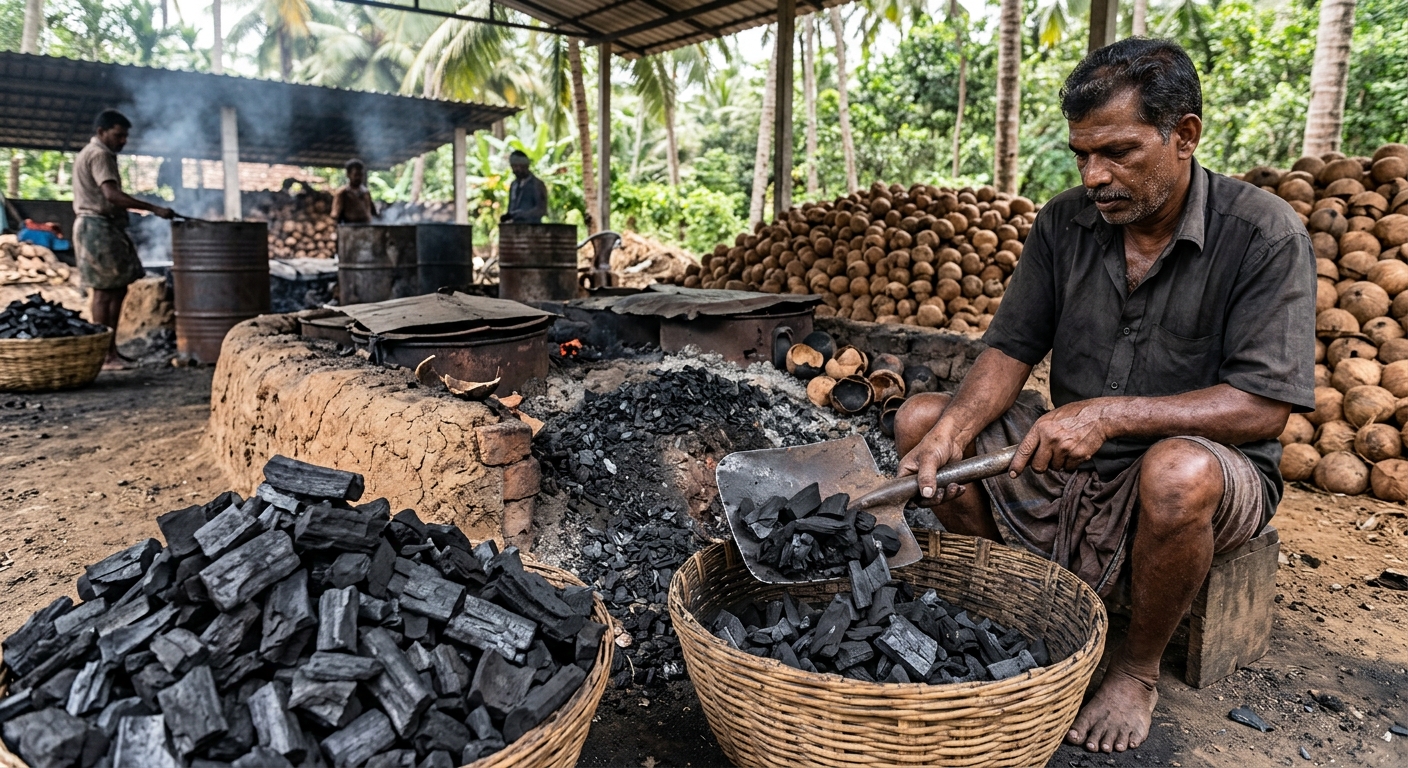
The journey of coconut shell charcoal begins with the collection of coconut shells, which are typically considered agricultural waste. By utilizing these shells, manufacturers not only prevent them from ending up in landfills but also create a high-value product. The process of converting these shells into charcoal involves several critical steps, ensuring the final product is of the highest quality.
Carbonization
The first major step is carbonization, where the raw coconut shells are burned in a controlled environment with limited oxygen. This process, often referred to as pyrolysis, drives off moisture and volatile compounds, leaving behind carbon-rich charcoal. Maintaining the right temperature is crucial during this phase to maximize the yield and quality of the charcoal.
Crushing and Sieving
Once carbonized, the charcoal is cooled and then crushed into smaller pieces. These pieces are sieved to separate them by size, depending on their intended final use. Granular coconut shell charcoal is often used for water filtration, while pulverized forms are typically bound together to create briquettes.
Briquette Formation
To produce charcoal briquettes, the pulverized charcoal is mixed with a natural binder, such as tapioca starch, and pressed into specific shapes. These briquettes are then dried in large ovens to remove any remaining moisture. This creates a dense, uniform product that burns hotter and longer than many alternatives. For those interested in the industrial side of this production, reading a دليل شامل عن مصنع فحم: العمليات، التكنولوجيا، وأفضل الممارسات provides an excellent overview of modern charcoal manufacturing.
Comparing Charcoal Types
To understand why coconut shell charcoal is often preferred over traditional wood charcoal, let us look at a direct comparison of their key characteristics.
| Feature | Coconut Shell Charcoal | Traditional Wood Charcoal |
|---|---|---|
| Source Material | Agricultural Waste (Coconut Shells) | Hardwood or Softwood Trees |
| Burning Duration | 2 to 3 hours | 1 to 1.5 hours |
| Ash Production | Very Low (Under 3%) | Moderate to High (5% - 10%) |
| Environmental Impact | Highly Sustainable | Contributes to Deforestation |
Key Applications and Uses
The unique properties of coconut shell charcoal make it suitable for a wide array of applications across different sectors.
Water and Air Purification
One of the most significant uses of coconut shell charcoal is in the production of activated carbon. Due to its highly porous nature, activated coconut shell charcoal is incredibly effective at trapping impurities, toxins, and odors. It is a staple component in modern water filtration systems, air purifiers, and even medical treatments for poisoning.
Leisure and Hookah
In the leisure industry, particularly for smoking hookah or shisha, coconut shell charcoal briquettes are considered the gold standard. They burn cleanly, produce very little smoke, and do not impart any unwanted flavors to the tobacco. For a deeper understanding of hookah culture and components, you can explore this الدليل الشامل عن الشيشة: التاريخ، المكونات، والأضرار.
Culinary Grilling and Barbecue
Chefs and barbecue enthusiasts favor coconut shell charcoal for its high, consistent heat and long burn time. Because it is virtually smokeless and odorless, it allows the natural flavors of the food to shine without overpowering them with heavy smoke.
Environmental Benefits
Choosing coconut shell charcoal is a step toward environmental conservation. Traditional charcoal production relies heavily on cutting down trees, leading to deforestation and habitat destruction. Conversely, coconut shell charcoal utilizes a byproduct of the copra and coconut oil industries. By repurposing this waste, it supports a circular economy, reduces greenhouse gas emissions associated with decaying agricultural waste, and preserves forest ecosystems.
Conclusion
Coconut shell charcoal represents a perfect harmony between utility and sustainability. Its superior burning qualities, low ash content, and minimal environmental footprint make it an excellent choice for a variety of applications, from industrial purification processes to a perfect weekend barbecue. As consumer awareness regarding sustainability continues to grow, the demand for this remarkable, eco-friendly alternative to wood charcoal is only set to increase.
Frequently Asked Questions
What makes coconut shell charcoal better than wood charcoal?
Coconut shell charcoal is highly dense, meaning it burns hotter and longer than wood charcoal. It also produces significantly less smoke and ash, and it is entirely sustainable since it is made from agricultural waste rather than felled trees.
Can I use coconut shell charcoal for indoor grilling?
While coconut shell charcoal produces less smoke and carbon monoxide than traditional charcoal, burning any charcoal indoors without proper, professional ventilation is dangerous. It should only be used outdoors or in commercial kitchens designed for indoor grilling.
Is coconut shell charcoal the same as activated carbon?
No, but it is the raw material used to make it. Coconut shell charcoal must undergo a secondary activation process (using steam or chemicals at high temperatures) to become highly porous activated carbon used for filtration.
How long do coconut shell charcoal briquettes last once lit?
Depending on the size and shape of the briquette, as well as airflow, high-quality coconut shell charcoal briquettes can maintain a steady heat for 2 to 3 hours.