Coconut Shell Charcoal Burning Temperature: An In-Depth Analysis
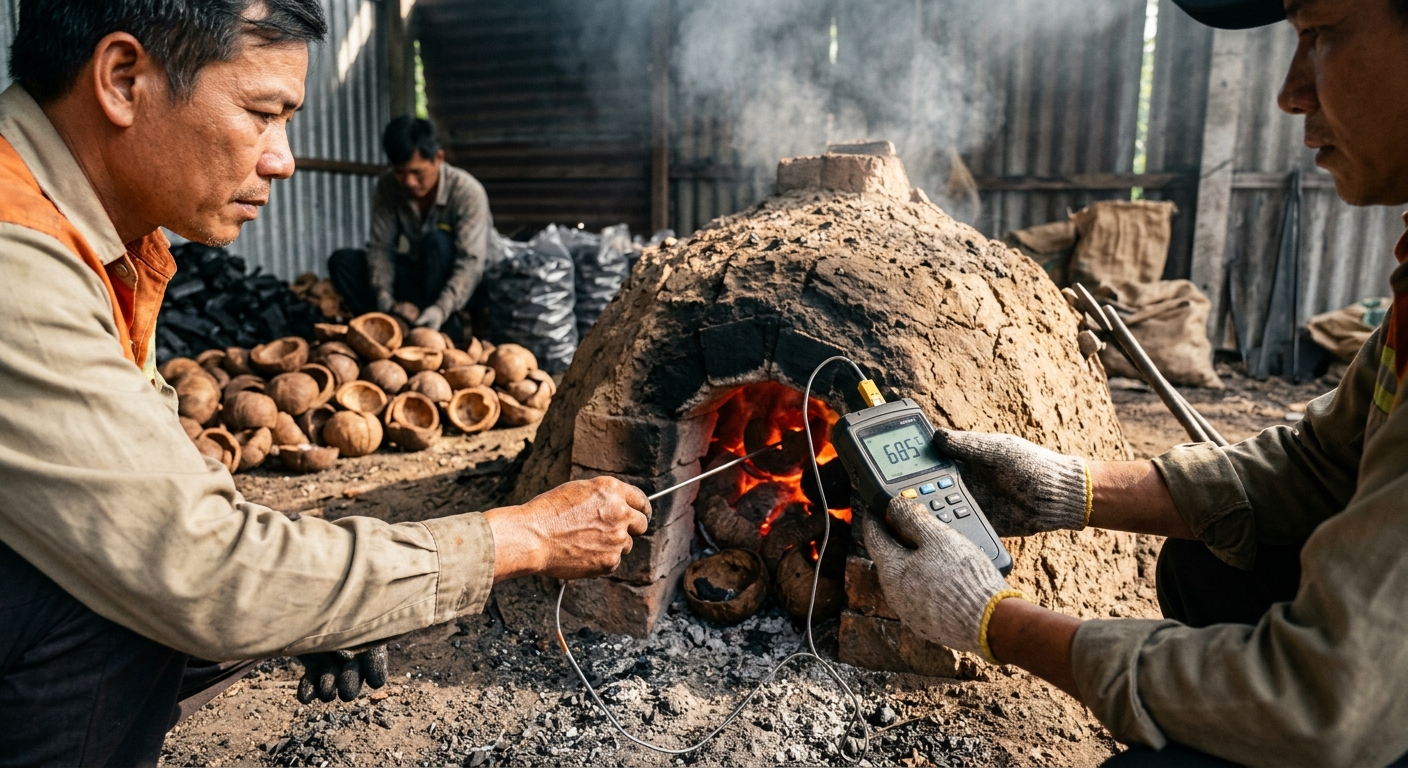
Introduction to Coconut Shell Charcoal
Coconut shell charcoal has emerged as a premium fuel choice across various applications, from high-end grilling to premium hookah sessions. Known for its density, sustainability, and clean burn, it stands out significantly from traditional hardwood or briquette charcoal. A critical factor that dictates its performance and suitability for specific uses is the coconut shell charcoal burning temperature. Understanding this temperature and how to manage it can elevate your culinary or smoking experience.
Understanding the Burning Temperature
The burning temperature of coconut shell charcoal typically ranges between 600°C and 800°C (1112°F and 1472°F), depending on the airflow, the shape of the briquette, and the manufacturing process. This high heat capacity makes it exceptionally efficient. Unlike some alternatives, coconut charcoal maintains a consistent and steady heat profile over a long period. This consistency is vital for applications requiring prolonged, stable temperatures without the constant need to replenish the fuel.
Why Temperature Matters in Shisha and Grilling
For shisha enthusiasts, the right temperature ensures that the tobacco is heated evenly, producing thick, flavorful smoke without scorching the shisha. Using a product from a reliable Low Ash Shisha Charcoal Manufacture: A Comprehensive Guide ensures that the heat remains optimal while minimizing ash production, which can otherwise interfere with the airflow and taste.
In grilling, the high and sustained burning temperature of coconut shell charcoal allows for a perfect sear on meats while maintaining the ability to cook low and slow if the airflow is restricted. The lack of heavy smoke and chemical odors means the pure flavor of the food takes center stage.
Factors Influencing the Burn Temperature
Carbon Content
The fixed carbon content in coconut shell charcoal is typically very high, often exceeding 75%. Higher carbon content directly correlates to a higher burning temperature and a longer burn time. The carbonization process used during manufacturing dictates this percentage.
Density and Shape
Dense briquettes restrict oxygen flow to the inner core, allowing the charcoal to burn slowly and consistently. Whether formed into cubes for shisha or hexagonal logs for grilling, the physical shape influences the surface area exposed to oxygen, thus regulating the burn rate and temperature.
Airflow Management
Like any fire, oxygen is the primary catalyst. In a closed grill or a properly managed hookah bowl, controlling the airflow allows the user to manipulate the burning temperature. Maximum airflow will push the charcoal to its peak temperature of around 800°C.
Comparing Charcoal Types
To better understand how coconut shell charcoal stacks up against common alternatives, let us look at a comparison of typical burning characteristics between Coconut Shell Charcoal and Traditional Hardwood Lump Charcoal.
| Charcoal Type | Average Peak Temperature (°C) | Burn Time (Hours) | Ash Content (%) |
|---|---|---|---|
| Coconut Shell Charcoal | 800 | 2.5 - 3.0 | 2 - 3 |
| Hardwood Lump Charcoal | 700 | 1.0 - 1.5 | 4 - 6 |
Packaging and Preservation of Charcoal Quality
To ensure that the charcoal reaches its optimal burning temperature, it must be kept dry. Moisture is the enemy of any charcoal, drastically reducing its burning efficiency and temperature. This is where high-quality packaging plays a crucial role. Investing in Custom Brand Coconut Charcoal Packaging: Elevating Your Product Appeal not only protects the briquettes from environmental moisture but also enhances brand perception in a competitive market.
Conclusion
The coconut shell charcoal burning temperature is a testament to its superior quality as a fuel source. With peak temperatures reaching up to 800°C, prolonged burn times, and minimal ash production, it is the ideal choice for both culinary professionals and shisha aficionados. By understanding the factors that influence its burn and ensuring proper storage through quality packaging, users can maximize the efficiency and enjoyment derived from this sustainable product.
Frequently Asked Questions (FAQ)
What is the maximum burning temperature of coconut shell charcoal?
Under optimal airflow conditions, coconut shell charcoal can reach peak burning temperatures of approximately 800°C (1472°F).
Does coconut shell charcoal burn hotter than regular wood charcoal?
Yes, due to its high density and high fixed carbon content, coconut shell charcoal generally burns hotter and significantly longer than traditional wood lump charcoal.
Why is low ash important when burning coconut charcoal?
Low ash production ensures that the heat transfer remains efficient. In shisha, excess ash can block airflow and alter the taste, while in grilling, it can blow onto the food. High-quality coconut charcoal minimizes these issues.
How should I store coconut shell charcoal to maintain its burning temperature?
It should be stored in a cool, dry place. Exposure to moisture will degrade its ability to light easily and reach its maximum burning temperature. Keeping it in high-quality, moisture-resistant packaging is highly recommended.