Coconut Husk Biochar Price Per Ton: A Comprehensive Guide
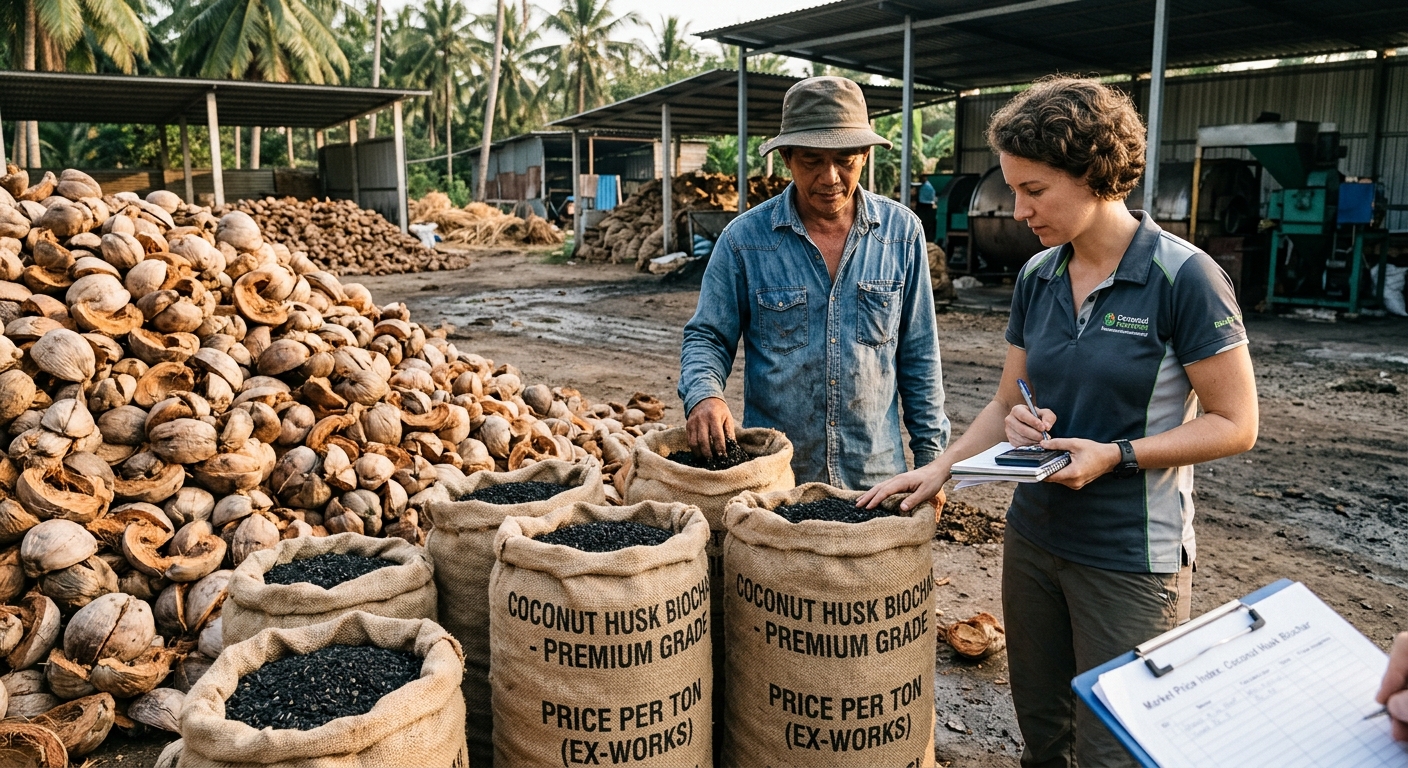
Introduction to Coconut Husk Biochar
In recent years, the agricultural and environmental sectors have shown a growing interest in sustainable soil amendments, and coconut husk biochar has emerged as a leading contender. Derived from the fibrous outer shell of coconuts, this carbon-rich material offers significant benefits for soil health, water retention, and carbon sequestration. However, for farmers, landscapers, and large-scale agricultural enterprises, understanding the coconut husk biochar price per ton is crucial for budgeting and operational planning. This comprehensive guide will delve into the factors influencing the cost of this valuable resource, its benefits, and what you can expect when purchasing it in bulk.
Understanding the Value of Coconut Husk Biochar
Before examining the price, it is essential to understand why coconut husk biochar is highly valued. The process of creating biochar involves pyrolysis—heating the biomass in an oxygen-limited environment. This stabilizes the carbon and creates a highly porous structure. When applied to soil, coconut husk biochar acts like a sponge, holding onto water and essential nutrients, thereby reducing fertilizer runoff and improving plant growth.
Moreover, the use of coconut-based products extends beyond agriculture. For instance, the Comprehensive Guide to Coconut Briquette Charcoal: Benefits, Production, and Uses highlights the versatility of coconut biomass in producing high-quality charcoal for various applications, including industrial and consumer uses.
Factors Influencing the Coconut Husk Biochar Price Per Ton
The coconut husk biochar price per ton is not static; it fluctuates based on several interrelated factors. Understanding these variables can help buyers make informed decisions and secure the best possible rates.
1. Production Methods and Technology
The technology used to produce biochar significantly impacts its cost. High-tech pyrolysis facilities that capture syngas and bio-oil while producing high-quality, uniform biochar tend to have higher operational costs, which are reflected in the final price. Conversely, traditional pit or kiln methods may produce cheaper biochar, but the quality and carbon content can be inconsistent.
2. Quality and Specifications
Not all biochar is created equal. The surface area, pH level, and carbon content vary depending on the production parameters. Premium coconut husk biochar, which is finely milled and has a high surface area (often exceeding 300 m²/g), commands a higher price per ton compared to coarser, lower-grade biochar intended for basic land reclamation.
3. Transportation and Logistics
Coconut production is concentrated in tropical regions such as Southeast Asia, India, and parts of South America. Therefore, the cost of shipping biochar to end-users in North America or Europe plays a massive role in the final delivered price per ton. Freight rates, import duties, and local distribution logistics must be factored into the overall cost.
4. Certification and Sustainability
Biochar that is certified by recognized bodies (such as the International Biochar Initiative) often comes with a premium. These certifications guarantee that the biochar was produced sustainably and meets specific agronomic standards, providing peace of mind to the buyer but increasing the market price.
Average Market Prices
As of the current market trends, the coconut husk biochar price per ton generally ranges from $600 to $1,200. This broad range accounts for the variables mentioned above. Wholesale buyers purchasing multiple tons directly from manufacturers in producer countries might secure prices at the lower end of the spectrum, while buyers purchasing smaller bulk quantities of premium, certified biochar domestically may pay closer to the top end.
To provide a clear perspective on how coconut husk biochar compares to other common biochar feedstocks in terms of pricing and key properties, we have compiled the following comparison table.
| Biochar Feedstock | Estimated Price Per Ton (USD) | Primary Benefit | Typical Carbon Content |
|---|---|---|---|
| Coconut Husk | $600 - $1,200 | High porosity & water retention | 75% - 85% |
| Wood Chips (Pine/Oak) | $500 - $1,000 | Widespread availability | 60% - 80% |
| Bamboo | $800 - $1,500 | Rapid renewability | 80% - 90% |
| Agricultural Residue (Straw) | $300 - $600 | Low cost | 40% - 60% |
The Economic Case for Biochar Investment
While the initial cost per ton may seem substantial, the return on investment (ROI) for coconut husk biochar is realized over the long term. Unlike traditional fertilizers that must be applied annually, biochar is recalcitrant—meaning it remains stable in the soil for hundreds, if not thousands, of years. A single application can permanently improve soil structure, reduce the ongoing need for chemical fertilizers by up to 30%, and significantly lower irrigation costs.
Furthermore, as the global push for carbon sequestration intensifies, some agricultural operations are finding that they can offset the cost of purchasing biochar by generating and selling carbon credits, turning a soil amendment strategy into a revenue stream.
Cultural and Global Market Influences
The global demand for coconut products is vast and varied, affecting the availability of raw materials for biochar. Interestingly, the use of coconut charcoal extends into deep cultural practices around the world. For example, reading about Why Do People Smoke Hookah? Understanding the Cultural and Social Phenomenon provides insight into why premium coconut charcoal is in such high demand for hookah smoking, due to its clean burn and lack of odor. This competing demand for coconut shells and husks can occasionally drive up the price of raw biomass, thereby influencing the overall price per ton of agricultural biochar.
Conclusion
In conclusion, the coconut husk biochar price per ton is shaped by production technology, quality standards, shipping logistics, and global market demands. Ranging typically between $600 and $1,200 per ton, it represents a significant but highly beneficial investment for sustainable agriculture and environmental management. By understanding these market dynamics, buyers can strategically source high-quality biochar that meets their agronomic needs and budget constraints, ultimately contributing to healthier soils and a more sustainable future.
Frequently Asked Questions
Why is coconut husk biochar more expensive than some other types?
Coconut husk biochar often commands a premium due to its exceptional physical properties, such as extremely high porosity and water retention capabilities. Additionally, the cost of shipping raw materials or finished products from tropical regions to global markets increases the overall price.
How much coconut husk biochar should I apply per acre?
Application rates vary depending on soil condition and crop type, but a common recommendation is between 1 to 5 tons per acre. It is highly recommended to mix the biochar with compost or manure before application to "charge" it with nutrients.
Does biochar degrade over time in the soil?
One of the primary benefits of biochar is its stability. Because it is created through pyrolysis, the carbon structure is highly resistant to microbial decomposition, allowing it to remain in the soil and provide benefits for hundreds of years.
Can I offset the cost of biochar through carbon credits?
Yes, increasingly, farmers and landowners are participating in carbon markets. Because biochar sequesters carbon in the soil permanently, applying it can generate verifiable carbon credits, which can be sold to help offset the initial purchase price.