Coconut Charcoal Manufacturer: The Complete Guide to Sustainable Briquettes
Introduction to Coconut Charcoal Manufacturing
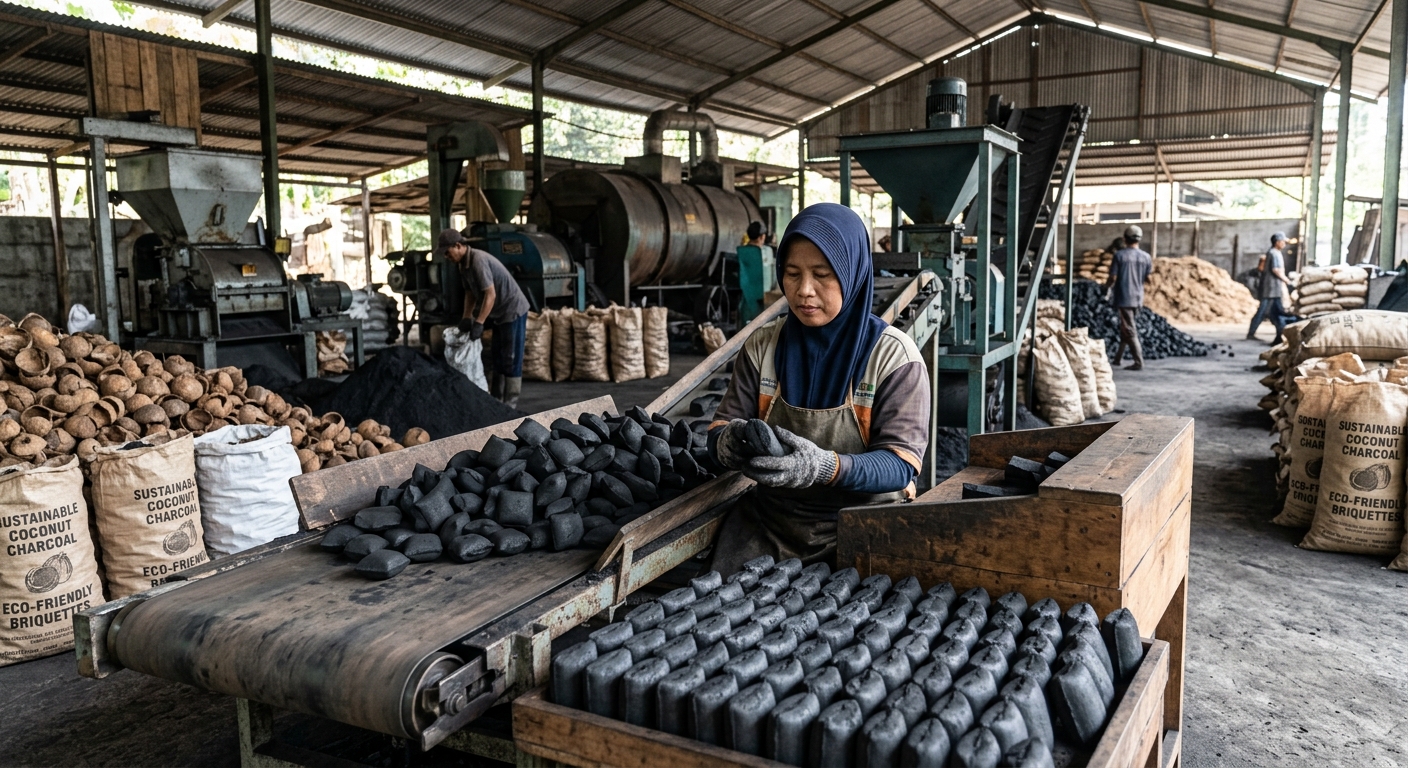
The demand for premium, eco-friendly charcoal has skyrocketed in recent years. At the forefront of this green revolution is the coconut charcoal manufacturer. By transforming discarded coconut shells into high-quality briquettes, these manufacturers provide a sustainable alternative to traditional wood charcoal. This article delves into the intricate process of manufacturing coconut charcoal, its benefits, and what to look for when partnering with a top-tier supplier.
The Manufacturing Process
Creating high-quality coconut charcoal briquettes is a meticulous process that requires precision and expertise. It begins with the collection of mature coconut shells, which are a byproduct of the copra and coconut oil industries. This utilization of waste materials highlights the environmental benefits of the industry.
Carbonization
The first step in the manufacturing process is carbonization. The coconut shells are cleaned, dried, and then burned in a controlled environment with limited oxygen. This process removes moisture and volatile compounds, leaving behind carbon-rich char. The temperature and duration of carbonization are critical, as they determine the fixed carbon content and the ash level of the final product.
Crushing and Mixing
Once carbonized, the coconut shell char is crushed into a fine powder. A natural binder, typically tapioca starch, is added to the powder along with water to create a dense, malleable paste. The quality of the binder and the ratio used are crucial for ensuring the briquettes hold their shape and burn cleanly without imparting any unwanted flavors or odors.
Molding and Drying
The charcoal paste is then extruded or pressed into various shapes, such as cubes, cylinders, or hexagonal logs, depending on the intended use—whether for hookah smoking or barbecue grilling. After molding, the briquettes undergo a rigorous drying process, often in industrial ovens, to reduce the moisture content to an optimal level, usually below 5%. This ensures a long burning time and easy ignition.
Sourcing the Best Coconut Charcoal
When searching for a reliable coconut charcoal manufacturer, geographic location plays a significant role. Indonesia is widely recognized as the epicenter of premium coconut charcoal production due to its abundant coconut plantations and skilled workforce.
For businesses looking to import high-quality briquettes to North America, finding the right partner is essential. You can learn more by reading about an Indonesian Hookah Charcoal Supplier USA: Your Complete Guide to Sourcing the Best Briquettes. This resource provides valuable insights into the logistics, quality control, and market demands specific to the United States.
Similarly, the Middle East represents a massive market for premium hookah charcoal. Buyers in this region have strict standards for ash content, burn time, and odor. For comprehensive information on serving this market, check out the article on an Indonesian Hookah Charcoal Supplier UAE: Your Guide to Premium Coconut Briquettes.
The table below compares standard wood charcoal with premium coconut shell charcoal across key performance metrics.
| Feature | Wood Charcoal | Coconut Shell Charcoal |
|---|---|---|
| Burn Time | 1-2 hours | 2-3 hours |
| Ash Content | 5-10% | 2-3% |
| Smoke Emission | High | Very Low |
| Sustainability | Contributes to deforestation | Made from agricultural waste |
Key Qualities of a Top Manufacturer
Not all coconut charcoal manufacturers are created equal. When evaluating potential suppliers, consider the following critical factors:
- Quality Control: A reputable manufacturer will have strict quality control measures at every stage of production, ensuring consistent fixed carbon levels, low moisture, and minimal ash.
- Production Capacity: Depending on your business needs, the manufacturer must be able to scale production and meet delivery deadlines consistently.
- Customization: The ability to customize briquette shapes, sizes, and packaging (OEM services) is vital for brand building.
- Sustainability Practices: Ensure the manufacturer sources raw materials ethically and employs environmentally friendly production methods.
Conclusion
Partnering with a reliable coconut charcoal manufacturer is crucial for businesses looking to offer premium, sustainable products to their customers. By understanding the manufacturing process and knowing what qualities to look for in a supplier, you can secure high-performing briquettes that satisfy the demands of both hookah enthusiasts and BBQ aficionados globally. As the market shifts towards eco-friendly alternatives, coconut charcoal stands out as the superior choice.
Frequently Asked Questions
What makes coconut charcoal better than traditional wood charcoal?
Coconut charcoal burns hotter, lasts longer, and produces significantly less ash and smoke compared to traditional wood charcoal. Furthermore, it is an eco-friendly option as it is made from recycled coconut shells rather than cutting down trees.
How long do coconut charcoal briquettes burn?
High-quality coconut charcoal briquettes typically burn for 2 to 3 hours, making them highly efficient for both hookah sessions and long barbecue grilling.
What is the ideal ash content for hookah charcoal?
For hookah use, the ideal ash content should be between 2% and 3%. Low ash content prevents the charcoal from affecting the flavor of the shisha and makes cleanup much easier.
Can a manufacturer customize the shape and packaging of the charcoal?
Yes, most professional coconut charcoal manufacturers offer Original Equipment Manufacturer (OEM) services. This allows buyers to request specific shapes (like flat, cube, or hexagonal) and custom-printed packaging tailored to their brand.