Coconut Charcoal Factory with Certificates: A Comprehensive Guide
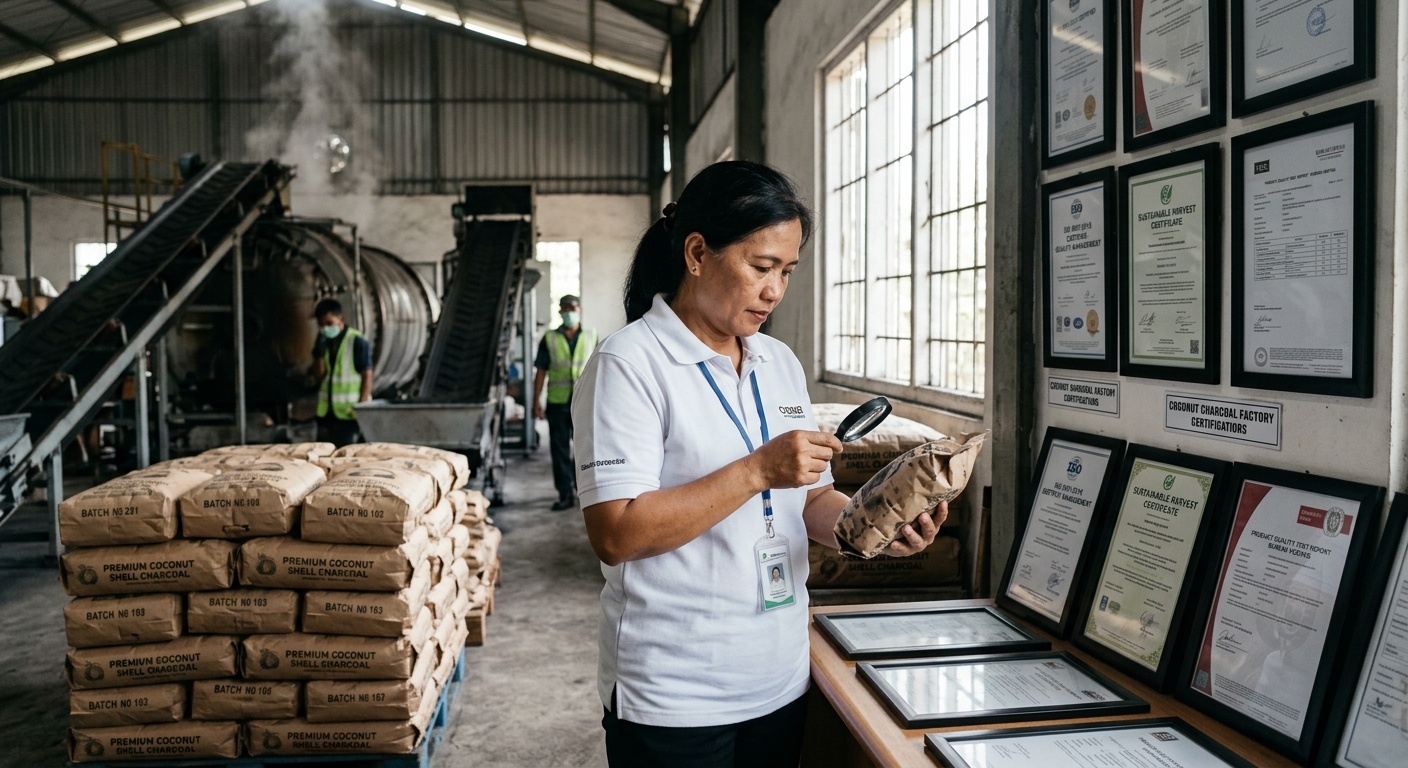
Introduction to Certified Coconut Charcoal Manufacturing
The global demand for high-quality, eco-friendly charcoal has seen a significant surge in recent years. Among the various types available, coconut shell charcoal has emerged as a premium choice due to its high carbon content, low ash residue, and sustainable sourcing. However, not all coconut charcoal is created equal. To ensure you are getting the best product, it is crucial to source from a coconut charcoal factory with certificates. These certifications act as a guarantee of quality, environmental responsibility, and fair labor practices.
In this comprehensive guide, we will explore the intricacies of coconut charcoal production, the importance of factory certifications, and how these factors contribute to the final product's quality. Whether you are a business looking for a reliable supplier or a consumer interested in sustainable products, understanding the role of certified factories is essential.
The Manufacturing Process of Coconut Charcoal
Producing premium coconut charcoal involves a meticulous process that transforms discarded coconut shells into high-energy briquettes. A certified factory adheres to strict guidelines throughout this process to maintain consistency and quality.
1. Sourcing the Raw Material
The journey begins with sourcing mature, dry coconut shells. These shells are often a byproduct of the copra or coconut oil industry, making this an environmentally friendly process that reduces agricultural waste. Certified factories ensure that the shells are sourced from sustainable plantations that do not contribute to deforestation.
2. Carbonization
Once collected, the shells undergo carbonization. This is the process of burning the shells in a low-oxygen environment to remove moisture and volatile compounds, leaving behind high-carbon charcoal. Certified factories use advanced kilns that control emissions and maximize the yield of high-quality carbon.
3. Crushing and Mixing
The carbonized shells are then crushed into a fine powder. To bind the powder into briquettes, a natural binder, usually tapioca starch, is added. No chemical additives are used in premium products, ensuring a clean burn.
4. Briquetting and Drying
The mixture is compressed into various shapes, such as cubes, cylinders, or hexagonal logs, depending on the intended use (e.g., shisha/hookah or barbecue). The formed briquettes are then dried in large industrial ovens to reduce their moisture content to the optimal level. For a deeper understanding of premium briquettes, you can read the Comprehensive Guide to White Ash Coconut Charcoal Briquettes.
Why Certifications Matter
When choosing a supplier, partnering with a coconut charcoal factory with certificates is paramount. Certifications provide third-party validation that the factory meets international standards in various critical areas.
Quality Assurance Certifications
- ISO 9001 (Quality Management Systems): Ensures that the factory consistently provides products that meet customer and regulatory requirements.
- SGS or Bureau Veritas Inspections: These independent organizations conduct testing and inspections to verify the product's specifications, such as ash content, moisture level, and carbon percentage.
Environmental and Sustainability Certifications
- FSC (Forest Stewardship Council): While primarily for wood, some coconut plantations seek similar sustainability certifications to prove ethical land use.
- ISO 14001 (Environmental Management): Demonstrates the factory's commitment to minimizing its environmental footprint and controlling emissions during production.
Social and Ethical Certifications
- BSCI (Business Social Compliance Initiative): Ensures fair labor practices, safe working conditions, and no child labor within the factory.
- REACH Compliance: Required for the European market, ensuring the product does not contain harmful chemicals.
Benefits of Sourcing from a Certified Factory
Working with a certified factory offers numerous advantages for wholesale buyers and distributors.
Consistency and Reliability
Certified factories have documented standard operating procedures (SOPs). This means every batch of charcoal produced meets the same strict specifications. Consistency in burn time, heat output, and ash color is crucial for retaining customers in both the BBQ and shisha markets.
Market Access and Compliance
Many countries have stringent import regulations regarding solid fuels. A factory with proper documentation, including Material Safety Data Sheets (MSDS) and REACH compliance, ensures smooth customs clearance. If you are looking to scale your business, finding a reliable partner is essential. Learn more from this Natural Coconut Charcoal Bulk Supplier: The Complete Guide.
Brand Reputation
In today's eco-conscious market, consumers care about where their products come from. Sourcing from a certified, sustainable factory allows you to market your brand as environmentally responsible, giving you a competitive edge.
Evaluating a Coconut Charcoal Factory
When assessing potential suppliers, it is important to look beyond just the price. Here is a matrix of what to evaluate:
| Evaluation Criteria | What to Look For | Why It Matters |
|---|---|---|
| Certifications | ISO 9001, ISO 14001, REACH, BSCI, SGS Reports | Guarantees quality, environmental compliance, and fair labor. |
| Production Capacity | Metric tons per month, scalable operations | Ensures the factory can meet your volume demands without delays. |
| Raw Material Sourcing | Direct relationships with sustainable coconut farmers | Secures a stable supply chain and consistent raw material quality. |
| Quality Control (QC) | In-house laboratory, drop tests, burn tests | Prevents defective products from reaching the end consumer. |
Conclusion
In conclusion, the coconut charcoal industry is rapidly evolving, with a clear shift towards quality and sustainability. Sourcing your products from a coconut charcoal factory with certificates is no longer just an option; it is a necessity for long-term success. These certifications protect your investment by ensuring consistent product quality, ethical labor practices, and environmental stewardship. By partnering with a reputable, certified manufacturer, you can confidently supply premium coconut charcoal briquettes that meet the high expectations of today's discerning consumers, whether for culinary or recreational use.
Frequently Asked Questions (FAQ)
What does a coconut charcoal factory with certificates guarantee?
A certified factory guarantees that its manufacturing processes meet specific international standards. This includes consistent product quality (ISO 9001), environmental responsibility (ISO 14001), fair and safe labor practices (BSCI), and verified product specifications through independent testing (e.g., SGS reports).
Why is ISO certification important for a charcoal factory?
ISO certifications, such as ISO 9001, demonstrate that the factory has a robust Quality Management System in place. This ensures that every batch of charcoal produced is consistent in density, burn time, and ash content, which is crucial for brand reliability and customer satisfaction.
Do I need certified charcoal to import into Europe or the USA?
Yes, importing solid fuels into strict markets like Europe and the USA often requires specific documentation. For Europe, REACH compliance is essential to prove the product contains no harmful chemicals. Furthermore, shipping lines often require MSDS (Material Safety Data Sheets) and spontaneous combustion test certificates to ensure the charcoal is safe for transport.