Coconut Charcoal Briquettes Wholesale Supplier: A Comprehensive Guide
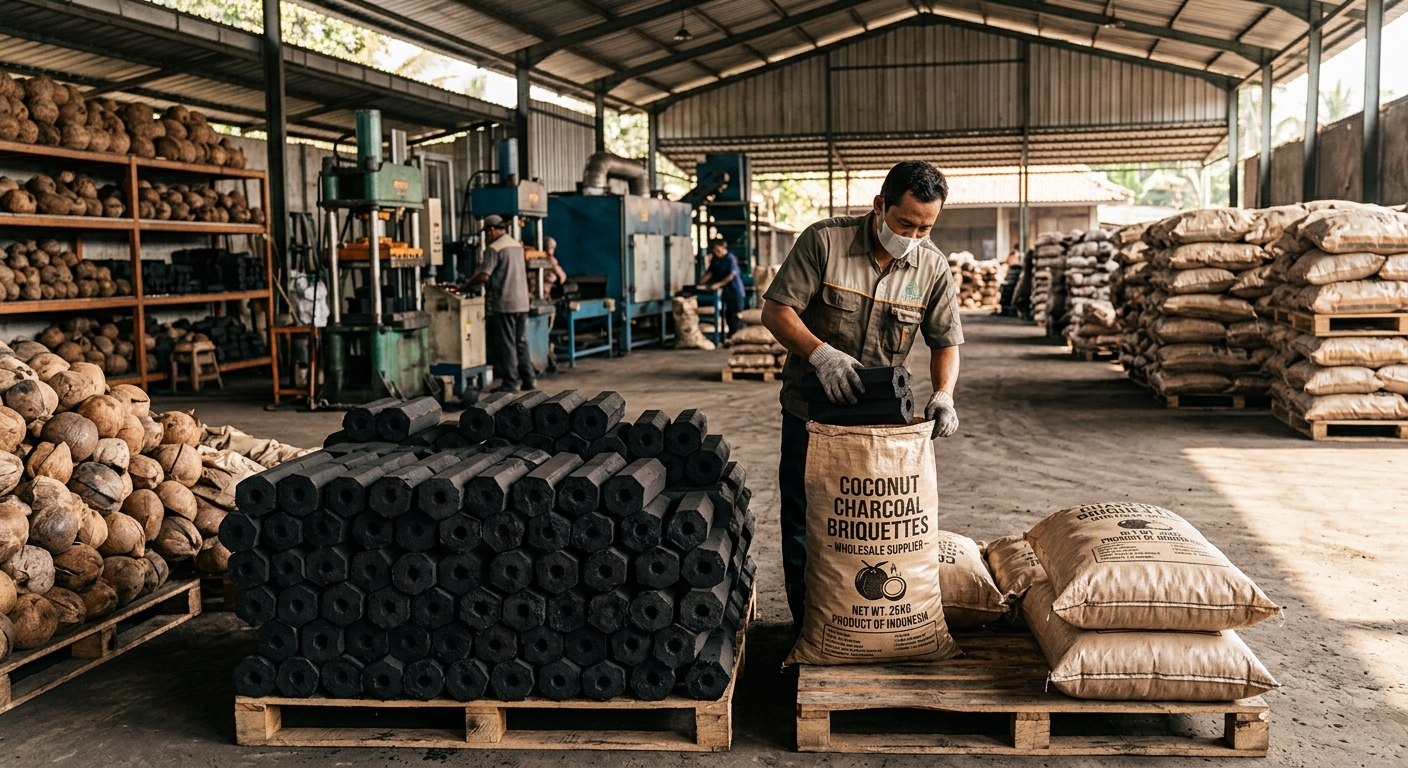
Introduction to Coconut Charcoal Briquettes
In recent years, the global demand for sustainable and high-quality fuel alternatives has skyrocketed. Among the top contenders in this market are coconut charcoal briquettes. These eco-friendly powerhouses have become the preferred choice for shisha lounges, barbecue enthusiasts, and industrial applications worldwide. As a business owner, finding a reliable coconut charcoal briquettes wholesale supplier is crucial to ensuring product quality, consistent supply, and maintaining a competitive edge in your market.
The Rise of Coconut Shell Charcoal
Unlike traditional wood charcoal, coconut shell charcoal is manufactured from the discarded shells of coconuts. This means that no trees are cut down to produce this fuel, making it a highly sustainable and renewable resource. The production process involves carbonizing the shells and then compressing them into dense, uniform briquettes using a natural binder, typically tapioca starch.
The resulting briquettes offer numerous advantages over traditional charcoal, including longer burning times, higher heat output, and minimal ash production. Furthermore, they are smokeless and odorless, which is why they are so highly prized in the shisha and hookah industry. By partnering with a top-tier coconut charcoal briquettes wholesale supplier, you can offer your customers a premium product that aligns with modern environmental standards.
Why Sourcing from Indonesia Matters
When discussing coconut charcoal, Indonesia inevitably enters the conversation. As one of the world's largest producers of coconuts, the archipelago has established itself as the epicenter of premium charcoal production. The tropical climate and fertile soil yield coconuts with thick, dense shells—ideal for producing high-grade carbon.
If you are looking to scale your business, understanding the intricacies of importing from this region is vital. We highly recommend reading the Indonesian Coconut Charcoal Briquettes Wholesale: The Ultimate B2B Sourcing Guide. This comprehensive resource provides invaluable insights into navigating the Indonesian market, building relationships with manufacturers, and ensuring a smooth supply chain.
Key Characteristics of Premium Briquettes
Not all coconut charcoal briquettes are created equal. When evaluating a coconut charcoal briquettes wholesale supplier, it is essential to understand the key metrics that define quality. Here are the primary factors to consider:
- Ash Content: Premium briquettes should have an ash content of less than 2.5%. Lower ash means less mess and a purer burn.
- Ash Color: The ideal ash color is white or light silver. Brown or dark ash indicates impurities or the presence of wood charcoal mixed in.
- Fixed Carbon: High-quality briquettes boast a fixed carbon level above 75%. Higher carbon translates to more heat and longer burning times.
- Moisture Content: Moisture should be kept below 5% to ensure quick ignition and prevent the briquettes from cracking during burning.
- Volatile Matter: Lower volatile matter (usually under 15%) means less smoke and fewer odors during ignition.
The Importance of Lab Testing and Certification
To guarantee the quality and safety of your charcoal, you must insist on rigorous laboratory testing. A reputable supplier will have no hesitation in providing independent lab test reports detailing the chemical composition and burning characteristics of their briquettes.
Lab testing ensures that the briquettes are free from harmful chemicals, heavy metals, and unwanted additives. For a deeper dive into why this matters and how to verify supplier claims, check out this excellent guide: Certified Coconut Charcoal Factory Lab Tested: Your Ultimate Guide to Quality Briquettes. Sourcing from a certified factory not only protects your customers but also safeguards your brand's reputation.
How to Choose the Right Wholesale Supplier
Selecting the right coconut charcoal briquettes wholesale supplier is a strategic decision that requires careful evaluation. Here is a step-by-step approach to finding the perfect partner for your business:
1. Assess Production Capacity
Ensure the supplier has the infrastructure to meet your current and future volume requirements. Ask about their monthly production capacity and their ability to scale up during peak seasons. A supplier with limited capacity may cause supply chain disruptions when you need product the most.
2. Request Samples
Never commit to a large wholesale order without first testing the product. Request samples of the specific briquette shapes and sizes you intend to purchase. Conduct your own burn tests to verify the ignition time, burning duration, ash color, and heat consistency.
3. Verify Certifications and Compliance
As mentioned earlier, demand lab reports. Additionally, check if the supplier holds necessary export documents, such as the Material Safety Data Sheet (MSDS), Self-Heating Certificate (SHT), and Vanning Certificate. These are critical for international shipping, as charcoal is often classified as a dangerous good.
4. Evaluate Packaging Options
A great product needs excellent packaging. Does the supplier offer private labeling (OEM)? Can they provide inner boxes, master cartons, and plastic wrapping that meet your retail standards? Proper packaging also protects the briquettes from moisture during transit.
Comparing Briquette Shapes and Sizes
Different markets and applications require specific briquette shapes. A versatile coconut charcoal briquettes wholesale supplier should offer a variety of options.
| Shape | Common Sizes (mm) | Primary Application |
|---|---|---|
| Cube | 22x22, 25x25, 26x26 | Shisha / Hookah |
| Flat / Rectangular | 25x25x15 | Shisha / Hookah |
| Hexagonal | 20x50, 22x48 | BBQ / Grilling |
| Finger / Cylinder | 20x50 | Shisha / BBQ |
Understanding these variations allows you to cater to specific customer segments effectively.
Logistics and Shipping Considerations
Importing coconut charcoal briquettes requires navigating complex logistics. Because charcoal can pose a fire hazard if not properly manufactured and packed, shipping lines are strict about its transportation. Your wholesale supplier must be experienced in securing the necessary shipping line approvals and arranging safe, compliant container loading.
Familiarize yourself with Incoterms (e.g., FOB, CIF) to understand who bears the risk and cost at each stage of the journey. Working with a supplier who has strong relationships with freight forwarders can significantly reduce shipping delays and costs.
Conclusion
Finding the right coconut charcoal briquettes wholesale supplier is a critical step in building a successful distribution or retail business. By prioritizing high-quality, sustainable Indonesian coconut charcoal, demanding certified lab results, and thoroughly vetting your partners, you can ensure a steady supply of premium briquettes that will delight your customers. As the market for eco-friendly fuels continues to grow, aligning with top-tier manufacturers will position your brand for long-term success.
Frequently Asked Questions (FAQ)
What is the difference between coconut charcoal and wood charcoal?
Coconut charcoal is made from coconut shells, making it a more sustainable option as no trees are felled. It burns hotter, longer, and produces significantly less ash and smoke compared to traditional wood charcoal.
Why are coconut briquettes preferred for shisha/hookah?
They are preferred because they are 100% natural, odorless, and tasteless, ensuring they do not interfere with the flavor of the shisha tobacco. They also burn very cleanly with minimal ash.
How can I verify the quality of a wholesale supplier?
Always request samples for testing, ask for independent laboratory test reports regarding ash content and carbon levels, and verify their export certifications (like MSDS and SHT) to ensure safe and legal shipping.
What is the standard minimum order quantity (MOQ) for wholesale?
Most international wholesale suppliers require a minimum order of one 20-foot container, which typically holds around 18 metric tons of briquettes, depending on the packaging and briquette size.