Coconut Charcoal Briquettes Wholesale: The Ultimate Guide for Buyers
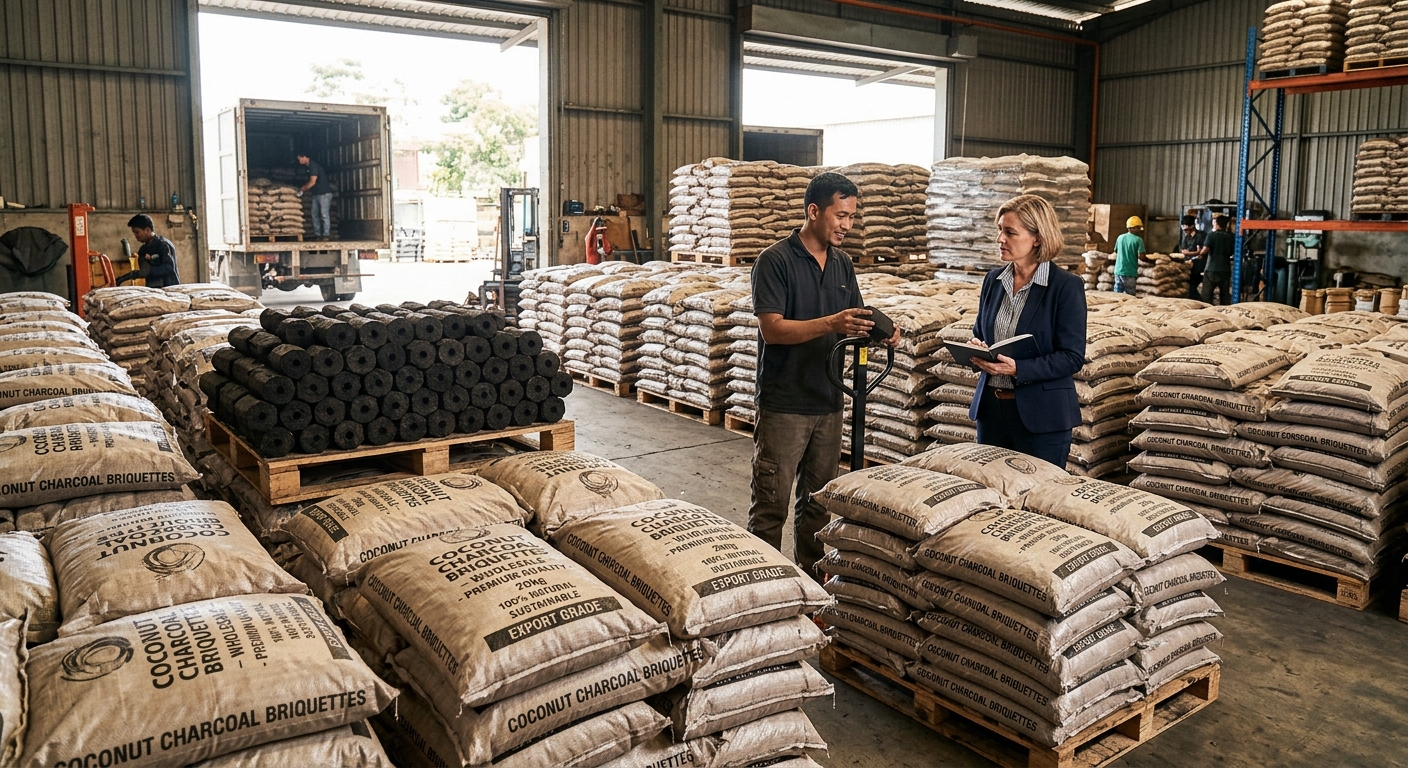
Introduction to Coconut Charcoal Briquettes Wholesale
In recent years, the global market has seen a significant shift toward sustainable and eco-friendly products. Among these, coconut charcoal briquettes have emerged as a premier choice for both shisha enthusiasts and barbecue aficionados. Buying coconut charcoal briquettes wholesale is an excellent strategy for businesses looking to capitalize on this growing demand while ensuring high margins and premium quality for their customers.
Unlike traditional wood charcoal, coconut shell charcoal offers numerous advantages, including longer burning times, minimal ash production, and a cleaner, odorless burn. These properties make it highly sought after in the international market. For importers, distributors, and retailers, understanding the dynamics of the wholesale market is crucial for success.
The Manufacturing Process of Coconut Charcoal
To truly appreciate the value of coconut charcoal briquettes, one must understand how they are made. The process begins with the careful selection of mature coconut shells, which are then carbonized in kilns. This carbonization removes moisture and volatile compounds, leaving behind pure carbon.
Once carbonized, the shells are crushed into a fine powder and mixed with a natural binder, usually tapioca starch. This mixture is then pressed into various shapes, such as cubes, fingers, or hexagonal logs, depending on the intended use. Finally, the briquettes are dried in large ovens to ensure a low moisture content, which is essential for a clean and hot burn. For those interested in the deep technicalities of production, checking out the Comprehensive Guide to Bulk Coconut Shisha Charcoal Manufacture is highly recommended.
Why Choose Coconut Charcoal Over Alternatives?
When comparing coconut charcoal to standard wood or chemical-laden quick-light charcoal, the benefits are clear. Coconut charcoal is 100% natural, meaning it does not release toxic fumes or alter the flavor of shisha or grilled food. Here are some key benefits:
- Longer Burn Time: Coconut briquettes can burn up to three times longer than traditional charcoal, reducing the need for frequent replacements.
- High Heat Output: They burn hotter, providing consistent heat for optimal smoking or cooking experiences.
- Low Ash Content: Producing less than 3% ash, they make cleanup easier and prevent ash from blowing onto food or being inhaled during a shisha session.
- Eco-Friendly: Made from agricultural waste (coconut shells), their production does not require cutting down trees.
Below is a comparison of typical specifications between Premium Coconut Charcoal and Standard Wood Charcoal to highlight why coconut is the superior choice for wholesale buyers.
| Attribute | Premium Coconut Charcoal | Standard Wood Charcoal |
|---|---|---|
| Burn Time | Up to 120 minutes | 45 to 60 minutes |
| Ash Content | Less than 3% | 10% to 15% |
| Raw Material | Coconut Shells | Hardwood / Scrap Wood |
| Smell / Taste | Odorless and Tasteless | Smoky, woody flavor |
Navigating Minimum Order Quantities (MOQs)
When entering the wholesale market, one of the first hurdles buyers encounter is the Minimum Order Quantity (MOQ). Manufacturers set MOQs to ensure that production runs are cost-effective. Typically, wholesale orders for coconut charcoal are measured in metric tons or shipping containers.
A standard 20-foot container can hold approximately 18 to 20 tons of coconut charcoal briquettes. Understanding how to negotiate and plan for these quantities is vital for maintaining cash flow and inventory balance. For an in-depth look at managing these requirements, refer to the Comprehensive Guide to Coconut Charcoal Wholesale Minimum Orders.
Quality Control and Supplier Selection
Finding a reliable wholesale supplier is the cornerstone of a successful charcoal business. Quality can vary significantly between manufacturers, so thorough vetting is necessary. Key factors to consider when choosing a supplier include:
- Certifications: Ensure the supplier has necessary export certifications, such as MSDS (Material Safety Data Sheet) and SHTC (Self-Heating Test Certificate).
- Sample Testing: Always request samples before committing to a bulk order. Test the charcoal for drop strength, burn time, ash color (preferably white or light gray), and odor.
- Packaging Options: A good supplier will offer customizable packaging, including inner boxes with your brand logo, master cartons, and inner plastic linings to prevent moisture absorption.
- Production Capacity: Verify that the factory can meet your volume requirements consistently, especially during peak seasons.
Shipping and Logistics
Importing coconut charcoal briquettes involves navigating international shipping logistics. Because charcoal is classified as a potentially hazardous material (flammable solid) under international shipping regulations, it requires special handling. It is imperative to work with freight forwarders who have experience in handling dangerous goods (DG) cargo.
Proper documentation, including the SHTC and MSDS, must be provided to the shipping line to prove that the charcoal has passed spontaneous combustion tests. Planning ahead for shipping times and customs clearance will ensure a smooth supply chain.
Conclusion
Purchasing coconut charcoal briquettes wholesale presents a lucrative opportunity in a market driven by quality and sustainability. By understanding the manufacturing process, recognizing the superior attributes of coconut charcoal, and carefully managing supplier relationships and logistics, businesses can secure a reliable supply of premium products. Investing time in researching and testing will ultimately lead to higher customer satisfaction and brand loyalty.
Frequently Asked Questions (FAQ)
How long do coconut charcoal briquettes last?
Premium coconut charcoal briquettes typically burn for 90 to 120 minutes, depending on their size, shape, and airflow conditions during use.
Why is coconut charcoal considered eco-friendly?
Coconut charcoal is made from discarded coconut shells, an agricultural byproduct. This means no trees are chopped down for its production, making it a sustainable and renewable alternative to wood charcoal.
What is the typical ash content of good quality coconut charcoal?
High-quality coconut charcoal briquettes should have an ash content of less than 3%. The ash color should ideally be white or light gray, indicating a clean burn without chemical fillers.
Can I request custom shapes for wholesale orders?
Yes, most reputable manufacturers offer various shapes, such as 25x25x25mm cubes, flat pieces, or hexagonal shapes. Custom molds can often be arranged for large wholesale orders.