The Comprehensive Guide to Coconut Charcoal Briquettes for Shisha
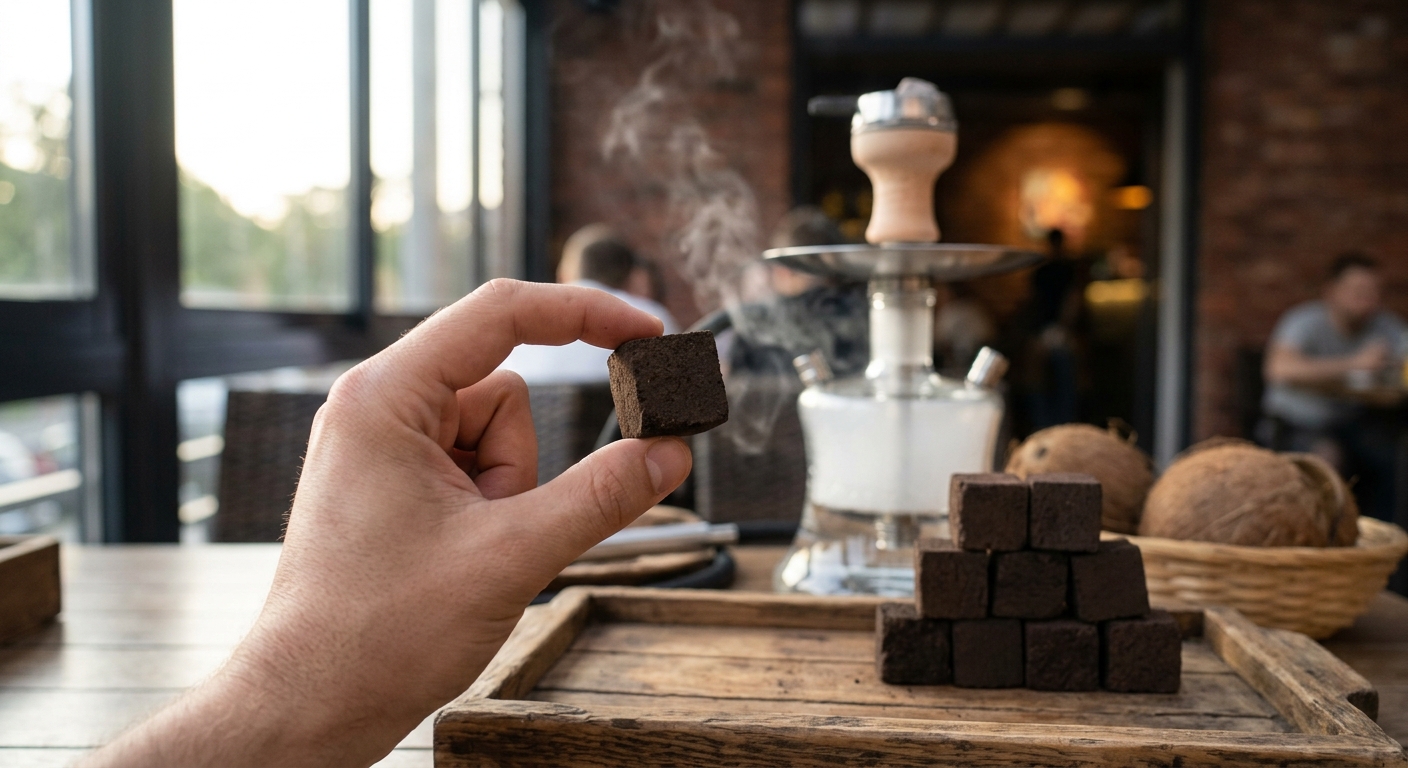
Introduction to Coconut Charcoal Briquettes for Shisha
The global shisha and hookah industry has experienced a significant transformation in recent years, with enthusiasts and lounge owners alike shifting their focus toward premium, sustainable, and high-performance smoking accessories. At the forefront of this evolution is the rising demand for coconut charcoal briquettes. Unlike traditional wood-based or chemically treated quick-light coals, coconut charcoal briquettes for shisha offer an unparalleled smoking experience characterized by pure flavor, extended burn times, and a minimal environmental footprint.
Originating primarily from the tropical regions of Southeast Asia, particularly Indonesia, these briquettes are crafted from discarded coconut shells. This not only provides a highly efficient fuel source but also promotes zero-waste agricultural practices. In this comprehensive guide, we will explore everything you need to know about coconut charcoal briquettes, from their manufacturing process and inherent benefits to quality standards and sourcing strategies for businesses.
The Manufacturing Process: From Shell to Briquette
The journey of a premium coconut charcoal briquette begins long before it reaches a shisha lounge. The production process is a meticulous blend of traditional carbonization and modern quality control techniques designed to yield a product with optimal thermal properties.
1. Sourcing and Selection
The foundation of high-quality charcoal lies in the raw material. Manufacturers carefully select fully matured, dry coconut shells. The maturity of the coconut dictates the density of the shell, which directly impacts the carbon content and burning time of the final briquette.
2. Carbonization
Once collected and cleaned, the coconut shells undergo carbonization. This process involves burning the shells in a low-oxygen environment, typically within specialized kilns. By restricting oxygen, the shells do not turn to ash; instead, they are transformed into high-grade carbon. Controlling the temperature during this phase is critical to ensuring a high fixed carbon percentage.
3. Crushing and Sieving
The carbonized shells are then crushed into a fine powder. This powder is rigorously sieved to remove any impurities, unburnt pieces, or oversized granules. A finer powder ensures a smoother, denser, and more uniform briquette.
4. Mixing and Binding
Because pure charcoal powder cannot hold a shape on its own, a natural binder is required. Premium manufacturers use a food-grade tapioca starch mixed with water. This organic binder ensures that the briquettes maintain their structural integrity without introducing any harsh chemicals or foul odors during combustion.
5. Molding and Pressing
The charcoal and binder mixture is fed into high-pressure molding machines. For shisha, the most common shapes are cubes (e.g., 22mm, 25mm, or 26mm), flats, or hexagonal logs. The high pressure expels air pockets, resulting in a dense briquette that will burn slowly and consistently.
6. Drying and Packaging
The freshly molded briquettes contain significant moisture. They are placed in large industrial ovens where they are dried at controlled temperatures until the moisture level drops below 5%. Once cooled, they are packaged into inner plastic liners to prevent moisture re-absorption, then placed into branded retail boxes and master cartons.
Why Coconut Charcoal is Superior for Shisha
For both casual smokers and professional lounge operators, the choice of coal can make or break the shisha session. Coconut charcoal briquettes provide several distinct advantages over alternatives.
Odorless and Tasteless
One of the most significant benefits of coconut charcoal is its neutrality. Because it contains no sulfur, saltpeter, or chemical accelerants, it does not emit harsh odors or alter the taste of the shisha tobacco. Smokers can enjoy the pure, unadulterated flavor of their chosen molasses.
Longer Burning Time
Due to their high density and high fixed carbon content, coconut briquettes burn significantly longer than quick-light or standard wood coals. A standard 25mm cube can burn for up to 90 to 120 minutes, reducing the need for frequent coal changes and ensuring a stable temperature for the duration of the session.
Low Ash Output
Premium coconut charcoal leaves behind a very small amount of ash—typically less than 2.5% of its original volume. Furthermore, the ash produced is fine and tends to hold its shape, preventing it from falling into the shisha bowl and clogging the tobacco or compromising the airflow.
Eco-Friendly and Sustainable
Coconut charcoal is a 100% renewable resource. No trees are cut down to produce it; instead, it upcycles the coconut shells left over from the copra, coconut oil, and coconut water industries. This makes it a highly sustainable and environmentally friendly choice.
Quality Indicators and Laboratory Testing
Not all coconut charcoal is created equal. The market is flooded with varying grades, making it essential for buyers to understand the technical specifications that define a premium product. Key metrics include fixed carbon, moisture content, volatile matter, and ash content.
A reliable supplier will always have their products tested by independent, certified laboratories. When assessing a potential manufacturer, you should look for verified lab reports that confirm the purity and performance of the briquettes. For a deeper understanding of these quality metrics and how to verify them, you can consult this Certified Coconut Charcoal Factory Lab Tested: Your Ultimate Guide to Quality Briquettes, which provides extensive insights into laboratory standards and quality assurance protocols.
Sourcing Coconut Charcoal: The B2B Landscape
If you are a distributor, wholesaler, or a large-scale shisha lounge operator, sourcing directly from the country of origin is the most cost-effective strategy. Indonesia dominates the global market for coconut charcoal, accounting for a vast majority of the world's supply due to its abundant coconut plantations and established manufacturing infrastructure.
When importing wholesale quantities, buyers must navigate logistics, minimum order quantities (MOQs), packaging customization, and quality consistency. Building a relationship with a reputable Indonesian supplier requires due diligence, clear communication regarding specifications, and an understanding of international shipping terms (Incoterms). For professionals looking to import directly, reading an Indonesian Coconut Charcoal Briquettes Wholesale: The Ultimate B2B Sourcing Guide is highly recommended to navigate the complexities of international trade and secure the best factory-direct pricing.
Comparing Charcoal Types: A Quick Reference
To illustrate why coconut charcoal dominates the premium shisha market, consider the following comparison table highlighting the differences between the three main types of hookah coals.
| Feature | Coconut Charcoal Briquettes | Quick-Light Coals | Wood Charcoal |
|---|---|---|---|
| Ignition Time | 10 - 15 minutes (requires burner) | 1 - 2 minutes (lighter friendly) | 5 - 10 minutes |
| Burn Time | 90 - 120 minutes | 30 - 45 minutes | 45 - 60 minutes |
| Chemical Additives | None (Natural tapioca binder) | High (Sulfur, Saltpeter) | Usually None |
| Ash Production | Very Low (< 2.5%) | High | Medium to High |
| Impact on Flavor | Neutral / None | High (chemical aftertaste) | Medium (woody taste) |
Conclusion
Coconut charcoal briquettes have undeniably set the gold standard for the modern shisha experience. By offering a clean, long-lasting, and flavor-neutral heat source, they elevate the quality of every session. Furthermore, their sustainable origins make them an environmentally responsible choice in a world increasingly conscious of ecological impact. Whether you are a casual smoker looking for a better session or a business owner aiming to provide top-tier products to your customers, understanding the production, quality metrics, and sourcing strategies of coconut charcoal is an invaluable asset.
Frequently Asked Questions (FAQ)
How do you light coconut charcoal briquettes for shisha?
Because they contain no chemical accelerants, coconut charcoal briquettes cannot be lit with a standard cigarette lighter. You must use a single-coil electric burner or a gas stove. Place the coals directly on the heat source for about 5 to 7 minutes per side, until they are glowing glowing red all over with a thin layer of grey ash.
Can I use coconut charcoal briquettes for BBQ?
While shisha briquettes are exceptionally pure and burn hot, they are typically molded into small cubes or flats optimized for hookah bowls. You can technically use them for a barbecue, but it is not cost-effective. Instead, you should look for coconut charcoal briquettes specifically molded for BBQ, such as hexagonal logs or pillow shapes, which are larger and formulated for grilling.
What is the shelf life of coconut charcoal briquettes?
If stored correctly, coconut charcoal briquettes have a virtually indefinite shelf life. The key is to keep them in a dry, cool environment away from direct moisture. Always keep the inner plastic bag tightly sealed when not in use, as charcoal is naturally hygroscopic and will absorb moisture from the humid air, which can negatively affect its lighting and burning performance.
How can I tell if my coconut charcoal is of high quality?
High-quality coconut charcoal should be dense, hard to break with your bare hands, and produce a sharp clinking sound when two pieces are struck together. When burning, it should not emit any black smoke or harsh chemical smells. The ash left behind should be minimal, light in color, and remain intact rather than turning into a messy, powdery dust.