Coconut Briquettes Manufacturers: A Comprehensive Guide
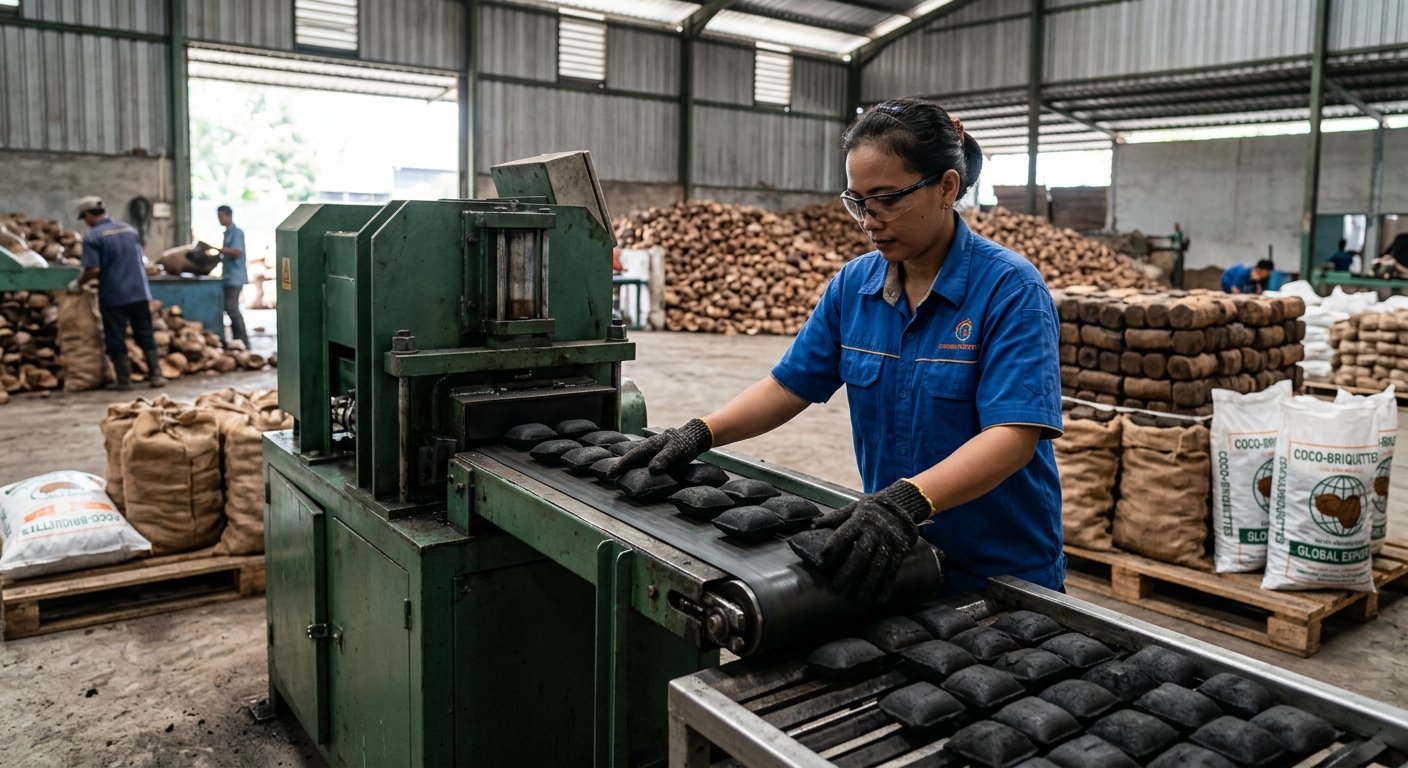
The Rise of Coconut Briquettes Manufacturers
In recent years, the demand for sustainable, high-quality charcoal alternatives has surged. Among these, coconut shell briquettes have emerged as the gold standard for both culinary grilling and hookah use. Coconut briquettes manufacturers play a pivotal role in this green revolution, transforming agricultural waste into a high-value, eco-friendly energy source.
These manufacturers are primarily concentrated in tropical regions where coconuts are abundantly harvested, such as Indonesia, the Philippines, and India. By utilizing the discarded shells of coconuts, they not only reduce environmental waste but also provide a product that boasts superior burning qualities compared to traditional wood charcoal.
Understanding the Manufacturing Process
The journey from a discarded coconut shell to a premium briquette is a fascinating process that requires precision, expertise, and specialized equipment.
1. Carbonization
The process begins with the carbonization of coconut shells. The shells are cleaned, dried, and then burned in a controlled environment with limited oxygen. This process, known as pyrolysis, removes moisture and volatile compounds, leaving behind pure carbon char.
2. Crushing and Sieving
Once carbonized, the coconut shell char is crushed into a fine powder. Manufacturers use heavy-duty crushers to achieve a consistent particle size, which is crucial for the final product's density and burn time. The powder is then sieved to remove any impurities or uncarbonized pieces.
3. Mixing with a Binder
To form the briquettes, the fine charcoal powder must be mixed with a natural binder, typically a starch-based adhesive like tapioca starch. This ensures the briquettes hold their shape without introducing harmful chemicals or altering the flavor profile of the smoke.
4. Briquetting and Drying
The mixture is fed into a briquette machine, which uses high pressure to extrude or press the charcoal into various shapes—such as cubes, cylinders, or hexagons. After shaping, the briquettes contain significant moisture and must be thoroughly dried in large ovens to ensure they light easily and burn cleanly.
Why Choose Coconut Briquettes?
Coconut briquettes offer a multitude of benefits over traditional lump charcoal and quick-light coals. For enthusiasts looking to dive deeper into premium options, reading The Ultimate Guide to Wholesale Premium Indonesia Hookah Charcoal is highly recommended.
- Longer Burn Time: Coconut briquettes are incredibly dense, allowing them to burn up to three times longer than traditional charcoal.
- High Heat, Low Ash: They produce a consistent, high heat output while leaving minimal ash behind, typically less than 3% of their original volume.
- Odorless and Tasteless: Because they contain no chemical additives, they do not impart any unwanted flavors to food or shisha tobacco.
- Eco-Friendly: Manufactured from renewable agricultural waste, they do not contribute to deforestation.
The Market for Coconut Briquettes
The global market for coconut briquettes is expanding rapidly. For hookah lounges and barbecue enthusiasts alike, understanding the nuances of different coals is essential. A great resource for this is A Comprehensive Guide to Shisha Coal: Types, Benefits, and Best Practices.
When comparing coconut briquettes to traditional wood charcoal, the differences in performance metrics are stark. Below is a comparison of typical specifications for high-quality coconut briquettes versus standard wood charcoal.
| Charcoal Type | Average Burn Time (Minutes) | Ash Content (%) | Carbon Content (%) |
|---|---|---|---|
| Premium Coconut Briquettes | 90-120 | 1.5-2.5 | 75-85 |
| Standard Wood Charcoal | 40-60 | 4.0-8.0 | 60-70 |
Conclusion
Coconut briquettes manufacturers are at the forefront of providing sustainable, high-performance energy solutions. By transforming agricultural waste into premium charcoal, they cater to a growing demographic of eco-conscious consumers and quality-driven industries. Whether for a backyard barbecue or a relaxing shisha session, coconut briquettes represent the pinnacle of charcoal technology.
Frequently Asked Questions
Are coconut briquettes 100% natural?
Yes, reputable coconut briquettes manufacturers use only carbonized coconut shells and a natural binder, such as tapioca starch, ensuring a 100% natural product without harmful chemicals.
Why are coconut briquettes preferred for hookah?
They are preferred because they are completely odorless and tasteless when burning, meaning they do not interfere with the flavor of the shisha tobacco. Additionally, their low ash content makes heat management much easier.
How should I store coconut briquettes?
Coconut briquettes should be stored in a cool, dry place away from direct moisture. Keeping them in an airtight container or their original sealed packaging will prevent them from absorbing humidity, which can affect their lighting and burning properties.