The Power of Coconut and Charcoal: Benefits, Uses, and Ultimate Quality
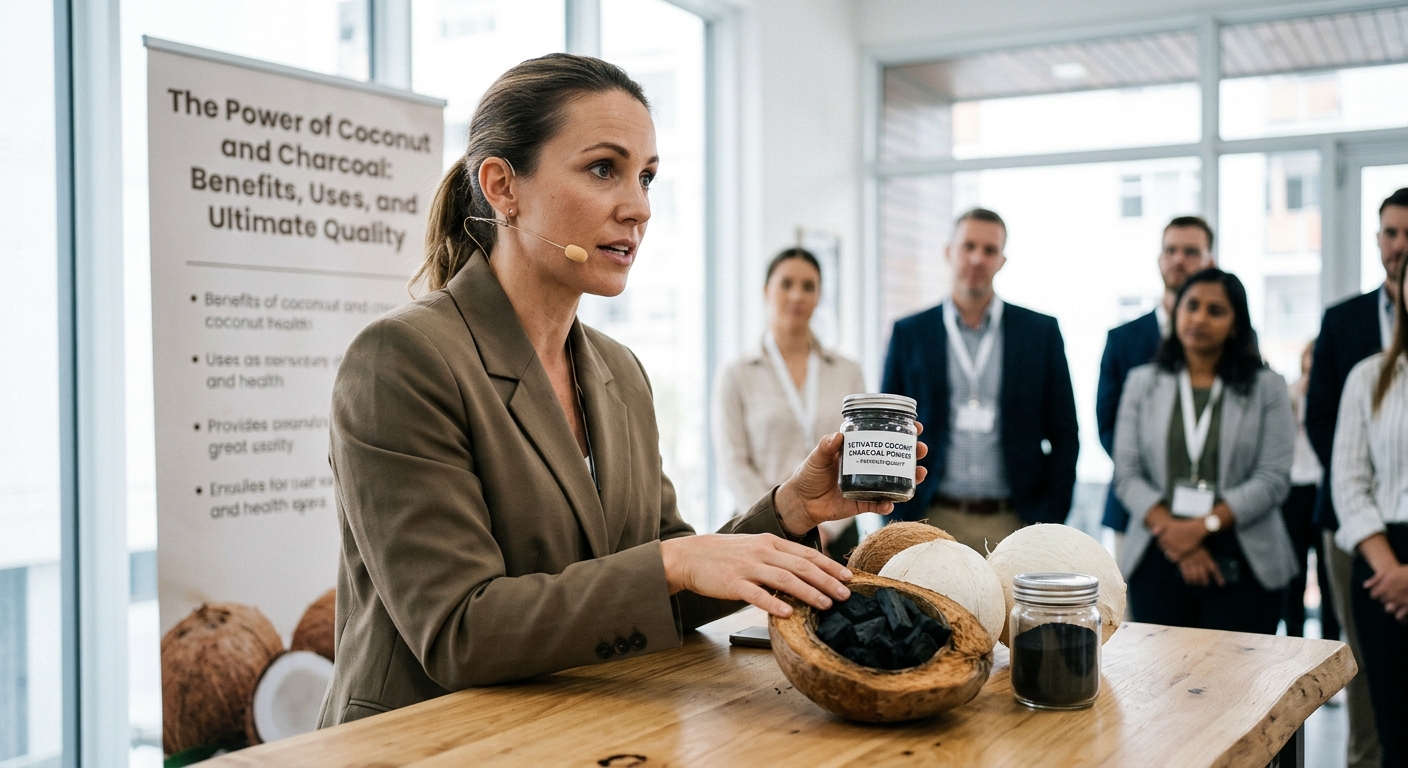
The Rise of Coconut Shell Charcoal
In recent years, the combination of coconut and charcoal has gained significant attention across various industries. Historically, charcoal was primarily produced from wood, but the shift towards sustainable alternatives has brought coconut shells to the forefront. Coconut shell charcoal is not only environmentally friendly but also offers superior properties compared to traditional wood charcoal. It burns hotter, lasts longer, and produces less ash, making it highly desirable for both industrial and domestic applications.
Understanding the properties of coconut charcoal is essential for appreciating its value. The dense structure of the coconut shell creates a high-carbon, low-ash product when carbonized. This process involves heating the shells in an oxygen-restricted environment, resulting in a pure, potent form of charcoal. For those interested in the diverse applications and sourcing of these high-quality products, A Comprehensive Guide to Coal Cubes: Sourcing, Quality, and Applications provides in-depth insights into how carbonized materials are processed and utilized globally.
Health and Beauty Applications
Activated coconut charcoal has become a staple in the health and beauty industry. Unlike regular charcoal, activated charcoal undergoes an additional process that increases its porosity, allowing it to trap toxins and chemicals effectively. This makes it a popular ingredient in teeth whitening products, face masks, and digestive supplements. The natural origin of coconut shells ensures a purer product with a lower risk of heavy metal contamination compared to coal-based activated carbon.
In skincare, coconut charcoal acts as a magnet for dirt, oil, and impurities, drawing them out of the pores. When combined with the moisturizing properties of coconut oil, it creates a balanced treatment that cleanses without stripping the skin of its natural moisture. This synergy between different parts of the coconut highlights the versatility and holistic benefits of this incredible plant.
Filtration and Purification
One of the most critical industrial applications of coconut charcoal is in water and air filtration. The microporosity of activated coconut shell carbon is ideal for trapping volatile organic compounds (VOCs), chlorine, and other microscopic contaminants. Municipal water treatment facilities, home water pitchers, and high-end air purifiers frequently rely on coconut carbon filters to deliver clean, safe, and pleasant-tasting water and breathable air.
Why Coconut Carbon Excels
- High Microporosity: Excellent for adsorbing small molecules, which is crucial for water purification.
- Hardness: High resistance to attrition ensures the carbon does not easily break down into dust during use.
- Sustainability: Utilizing a byproduct of the coconut industry reduces waste and prevents deforestation associated with wood charcoal.
Culinary and Heating Excellence
For culinary enthusiasts and hookah users, coconut charcoal is widely regarded as the premium choice. The lack of chemical additives means it burns clean, producing no smoke, sparks, or unwanted odors that could interfere with the flavor of food or shisha. Its high density allows for a consistent, long-lasting heat that outshines traditional briquettes.
If you are looking to explore the finest options available for culinary or heating purposes, Carbones de Coco: The Ultimate Guide to Coconut Charcoal is a fantastic resource that dives into the quality standards and benefits of using pure coconut charcoal products.
To better understand how coconut charcoal compares to traditional wood charcoal in culinary settings, consider the following comparison of their burning attributes.
| Charcoal Type | Burn Time | Ash Production | Maximum Temperature |
|---|---|---|---|
| Coconut Shell Charcoal | 120 - 150 minutes | 2 - 3% | 700°C |
| Hardwood Charcoal | 60 - 90 minutes | 4 - 6% | 500°C |
Conclusion
The combination of coconut and charcoal represents a perfect marriage of nature and utility. From revolutionizing the way we purify our water and air to enhancing our beauty routines and elevating our culinary experiences, coconut shell charcoal stands out as a superior, sustainable resource. As industries continue to prioritize eco-friendly and high-performance materials, the demand and appreciation for coconut charcoal will undoubtedly continue to grow.
Frequently Asked Questions
What makes coconut charcoal better than wood charcoal?
Coconut charcoal is denser, which allows it to burn hotter and longer than traditional wood charcoal. It also produces significantly less ash and is smokeless and odorless, making it ideal for cooking and indoor heating applications.
Is activated coconut charcoal safe for human consumption?
Yes, food-grade activated coconut charcoal is generally safe for consumption in small amounts and is often used in supplements to aid digestion and reduce gas. However, it is always recommended to consult a healthcare professional before starting any new supplement regimen.
How is coconut shell charcoal sustainable?
It is sustainable because it utilizes the shells of coconuts, which are a byproduct of the copra and coconut water industries. This turns an agricultural waste product into a valuable resource, reducing reliance on deforestation for wood charcoal production.