The Ultimate Guide to Coco Coal: Benefits, Manufacturing, and Uses
Introduction to Coco Coal
In recent years, the demand for sustainable and efficient energy sources has skyrocketed. One of the most remarkable innovations in the realm of biomass fuels is coco coal, also known as coconut shell charcoal. Derived from the discarded shells of coconuts, this eco-friendly alternative to traditional wood charcoal offers a plethora of benefits for consumers and the environment alike. This article delves deep into the world of coco coal, exploring its manufacturing process, key advantages, and primary applications.
What is Coco Coal?
Coco coal is a premium grade of charcoal produced by carbonizing coconut shells. Unlike conventional charcoal, which often involves cutting down trees and contributing to deforestation, coco coal utilizes a byproduct of the coconut industry that would otherwise go to waste. This makes it an incredibly sustainable and environmentally responsible choice.
Coconut shells are naturally dense and have a high lignin content, which translates into a charcoal product that burns hotter, longer, and cleaner than most other types of biomass fuels. Whether you are an avid griller or a shisha enthusiast, coco coal provides a superior experience with minimal environmental impact.
The Manufacturing Process
The production of high-quality coco coal involves several meticulous steps to ensure the final product meets stringent standards for heat output, burn time, and ash production. If you want to understand the industry players better, you can read the Comprehensive Guide to Coconut Shell Charcoal Manufacturers to see how different companies approach this process.
1. Sourcing and Cleaning
The first step in manufacturing coco coal is sourcing raw coconut shells. These are typically collected from coconut oil producers and desiccated coconut factories. Once collected, the shells are thoroughly cleaned to remove any residual coconut meat, fibers, and impurities.
2. Carbonization
The cleaned shells are then subjected to a process called carbonization. They are placed in kilns and heated to high temperatures (often between 500°C and 900°C) in an oxygen-deprived environment. This process drives off moisture and volatile organic compounds, leaving behind pure carbon.
3. Crushing and Mixing
After carbonization, the resulting coconut shell charcoal is crushed into a fine powder. This powder is then mixed with a natural, food-grade binder, such as tapioca starch, to help the charcoal hold its shape when molded.
4. Briquetting and Drying
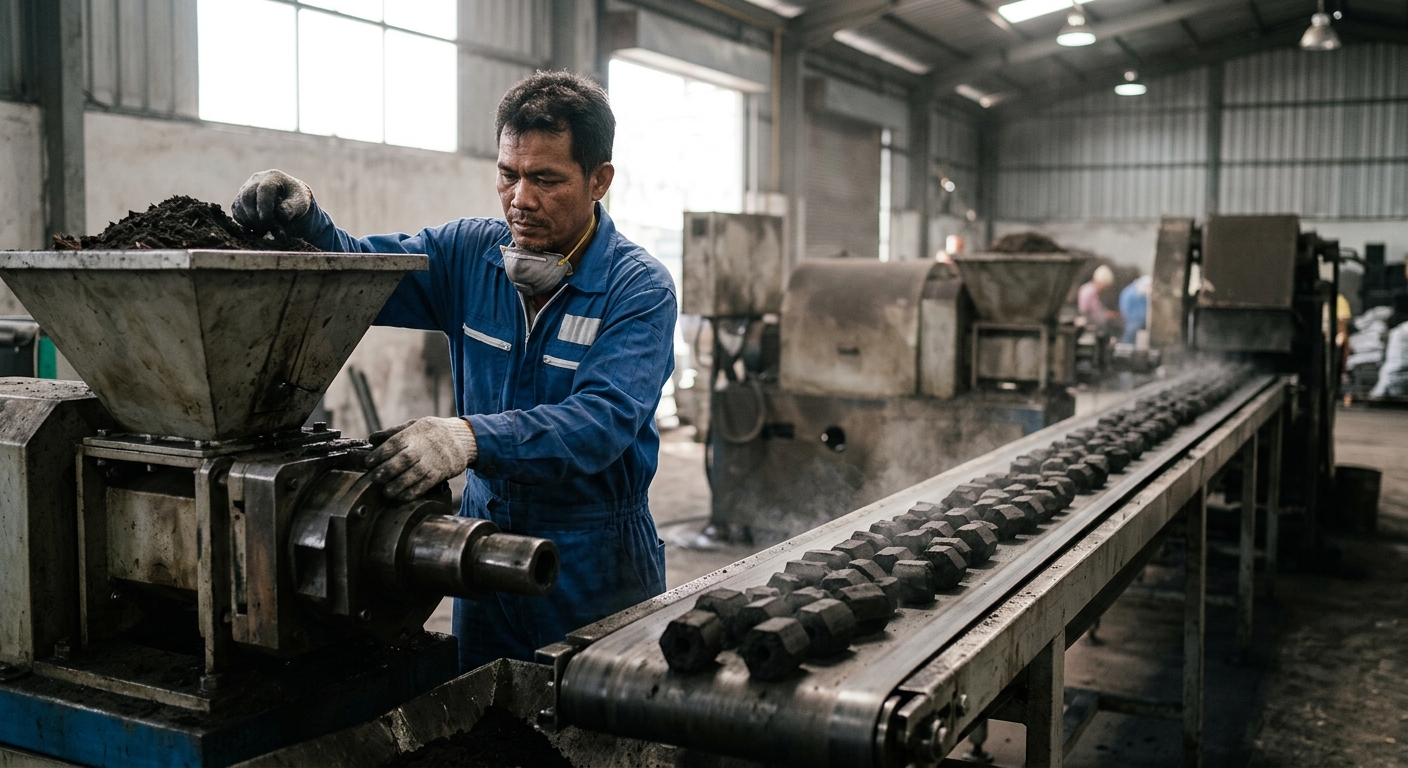
The charcoal and binder mixture is pressed into molds to form briquettes. These briquettes come in various shapes and sizes, depending on their intended use (e.g., cubes for shisha, larger blocks for grilling). Finally, the briquettes are dried in large ovens to remove any remaining moisture, ensuring they are hard and ready for use.
Comparing Charcoal Types: Coco Coal vs. Wood Charcoal
To truly understand the value of coco coal, it is helpful to compare its performance metrics directly with traditional wood lump charcoal.
| Charcoal Type | Burn Time | Ash Production | Maximum Temperature | Environmental Impact |
|---|---|---|---|---|
| Coco Coal | 120-180 minutes | 2% - 4% | 600°C - 700°C | Low (upcycled waste) |
| Wood Lump Charcoal | 60-90 minutes | 10% - 15% | 400°C - 500°C | High (deforestation) |
Primary Uses of Coco Coal
Due to its exceptional burning characteristics, coco coal is favored in several different applications, primarily in culinary and leisure settings.
BBQ and Grilling
For culinary enthusiasts, coco coal is a game-changer. It provides a consistent, high-heat burn that is perfect for searing meats and cooking vegetables. Because it burns cleanly with virtually no smoke or chemical odors, it does not impart any unwanted flavors into the food. Furthermore, its long burn time means you use less fuel over the course of a barbecue.
Shisha and Hookah
In the world of shisha, coco coal is universally recognized as the gold standard. Shisha smokers require a charcoal that burns evenly, lasts a long time, and produces minimal ash so as not to taint the flavor of the tobacco. Coconut shell briquettes meet all these criteria perfectly. The global demand has led to specialized production hubs; for instance, you can learn about Coconut Shisha Charcoal Manufacture in Holland: A Comprehensive Guide to see how European standards are applied to this industry.
Environmental and Economic Benefits
The rise of coco coal is not just a win for consumers seeking better performance; it is a significant victory for the environment. By utilizing coconut shells, the industry prevents thousands of tons of agricultural waste from rotting in landfills, where it would release methane—a potent greenhouse gas.
Moreover, the coco coal industry provides a vital secondary income stream for coconut farmers in developing nations. Selling the shells adds economic value to their crops, improving livelihoods and supporting local economies in tropical regions where coconuts are heavily cultivated.
Conclusion
Coco coal represents the perfect intersection of sustainability, performance, and economic utility. By transforming agricultural waste into a premium, high-efficiency fuel source, the coconut shell charcoal industry offers a product that far exceeds traditional alternatives in burn time, heat output, and cleanliness. Whether you are firing up the grill for a weekend barbecue or preparing a shisha session, choosing coco coal guarantees a superior experience while protecting our planet's precious forests.
Frequently Asked Questions
Is coco coal safe to use indoors?
While coco coal burns cleaner than wood charcoal, it still produces carbon monoxide. Therefore, it should never be used indoors for grilling or heating without proper, professional ventilation systems. For shisha, always ensure the room is well-ventilated.
Does coco coal make food taste like coconuts?
No, coco coal is completely odorless and tasteless once fully lit. The carbonization process removes all the volatile compounds that would create a coconut flavor, ensuring your food tastes exactly as intended.
How should I store coco coal briquettes?
Coco coal should be stored in a cool, dry place. Because the briquettes can absorb moisture from the air, which affects their ability to light and burn properly, it is best to keep them in an airtight container or a sealed plastic bag.
Why is coco coal harder to light than quick-light charcoal?
Coco coal does not contain the chemical accelerants (like sulfur or saltpeter) found in quick-light charcoals. Because it is highly dense and purely natural, it requires a sustained, intense heat source—such as a gas stove or an electric coil burner—to ignite fully. However, the reward is a much longer, cleaner burn without chemical fumes.