Charcoal Supplier Indonesia: Your Ultimate Guide to Sourcing High-Quality Briquettes
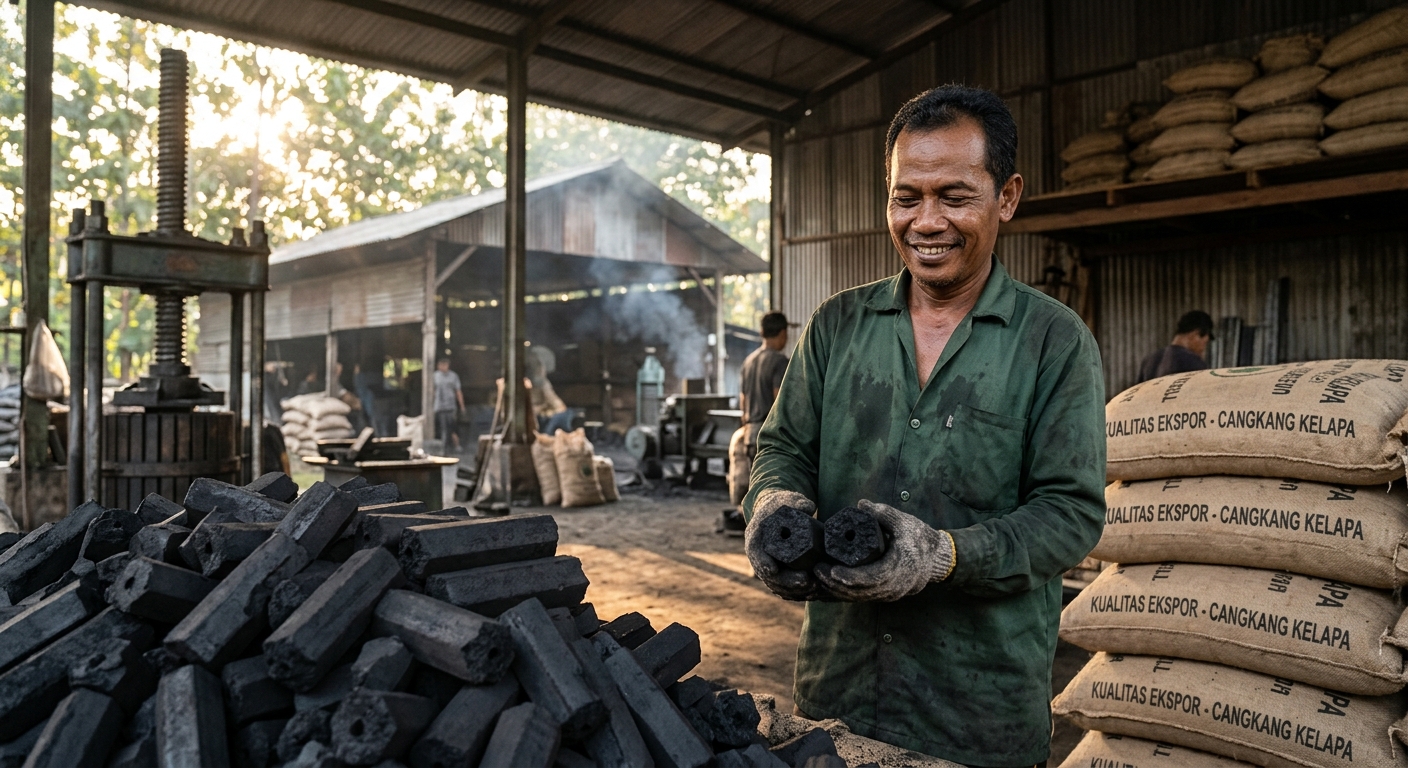
Introduction to the Indonesian Charcoal Industry
Indonesia has long been recognized as a global powerhouse in the production of high-quality charcoal. As a premier charcoal supplier indonesia, the country offers a diverse range of products, with coconut shell charcoal briquettes leading the market. The abundance of natural resources and advanced manufacturing techniques have positioned Indonesian suppliers at the forefront of the international market. Whether you are looking for shisha charcoal or barbecue briquettes, sourcing from Indonesia ensures premium quality, long burn times, and minimal ash content.
Why Choose an Indonesian Charcoal Supplier?
Choosing a charcoal supplier in Indonesia comes with numerous advantages. The primary benefit is the exceptional quality of the raw materials. Indonesian coconuts yield shells that are dense and robust, which translates into charcoal with high calorific value. Furthermore, Indonesian manufacturers adhere to stringent quality control processes to meet international standards. This commitment to quality makes Indonesian charcoal highly sought after by buyers worldwide.
The Superiority of Coconut Shell Charcoal
Coconut shell charcoal is widely considered the gold standard for both shisha and barbecue applications. It produces less smoke, emits zero odors, and leaves behind significantly less ash compared to traditional wood charcoal. For buyers looking to purchase in bulk, reading the Coconut Charcoal Briquettes Wholesale: The Ultimate Guide for Buyers provides invaluable insights into market trends, grading systems, and purchasing strategies.
Understanding the Different Grades of Charcoal
When dealing with a charcoal supplier in Indonesia, it is crucial to understand the different grades available. Charcoal is typically graded based on its intended use and specifications such as ash content, moisture, and fixed carbon. Below is a comparison of the typical grades offered by Indonesian suppliers.
The following table compares the specifications of Shisha Grade and BBQ Grade coconut charcoal briquettes:
| Grade Type | Ash Content | Fixed Carbon | Burn Time |
|---|---|---|---|
| Shisha Grade | Below 2.5% | Above 80% | Up to 120 minutes |
| BBQ Grade | Below 5% | Above 75% | Up to 240 minutes |
The Manufacturing Process
The process of creating premium charcoal briquettes in Indonesia is both an art and a science. It begins with the careful selection of mature coconut shells, which are then carbonized using specialized kilns. The carbonized shells are crushed into a fine powder and mixed with a natural binder, usually tapioca starch. This mixture is then pressed into various shapes and sizes, depending on the buyer's requirements. Finally, the briquettes undergo a rigorous drying process to ensure optimal moisture levels before packaging.
Logistics and Global Shipping
Once you have secured a reliable charcoal supplier in Indonesia, the next step is logistics. Shipping charcoal internationally requires careful planning due to its classification as a potentially hazardous material. Proper documentation, including Material Safety Data Sheets (MSDS) and self-heating test certificates, is mandatory. For a comprehensive overview of the shipping process, refer to Navigating Indonesia Charcoal Briquettes Global Shipping: A Complete Guide to ensure your goods arrive safely and in compliance with international maritime regulations.
How to Identify a Reliable Supplier
With numerous suppliers in the market, identifying a trustworthy partner is essential. Look for suppliers who offer transparency in their manufacturing processes and are willing to provide samples for testing. A reputable supplier will have up-to-date certifications, clear communication channels, and a proven track record of successful international exports. Visiting the manufacturing facility, if possible, or requesting video tours can also provide peace of mind regarding their production capabilities and quality control measures.
Environmental Impact and Sustainability
Sustainability is a significant factor in the charcoal industry today. Top-tier Indonesian suppliers utilize coconut shells, which are a byproduct of the copra and coconut oil industries. This means that no trees are cut down to produce coconut charcoal, making it an eco-friendly alternative to wood-based charcoal. Supporting suppliers who prioritize sustainable practices ensures that your business contributes positively to the environment while securing high-quality products.
Conclusion
Partnering with a reputable charcoal supplier in Indonesia offers access to some of the highest quality briquettes in the world. By understanding the different grades, manufacturing processes, and logistical requirements, buyers can make informed decisions and build long-lasting, profitable relationships. Whether for wholesale distribution, retail, or commercial use, Indonesian charcoal remains a superior choice for discerning buyers seeking excellence and sustainability.
Frequently Asked Questions
What makes Indonesian coconut charcoal better than wood charcoal?
Indonesian coconut charcoal is superior because it burns hotter, lasts longer, produces minimal ash, and is completely smokeless and odorless. Additionally, it is an eco-friendly option as it utilizes agricultural waste (coconut shells) rather than requiring deforestation.
How do I verify the quality of a charcoal supplier in Indonesia?
You can verify a supplier's quality by requesting product samples, checking their export certifications (such as MSDS and self-heating tests), and asking for references from past international clients. Transparency and communication are key indicators of a reliable supplier.
What is the typical minimum order quantity (MOQ) for importing charcoal from Indonesia?
The standard minimum order quantity for international shipping is typically one 20-foot container, which holds approximately 18 to 19 metric tons of charcoal briquettes, depending on the packaging and briquette dimensions.
Are there special regulations for shipping charcoal globally?
Yes, charcoal is considered a hazardous material by shipping lines due to its potential for self-heating. Exporters must provide a valid Self-Heating Test Certificate (SHTC) and MSDS to comply with the International Maritime Dangerous Goods (IMDG) code.