The Complete Guide to Charcoal for Hookah: Types, Benefits, and Tips
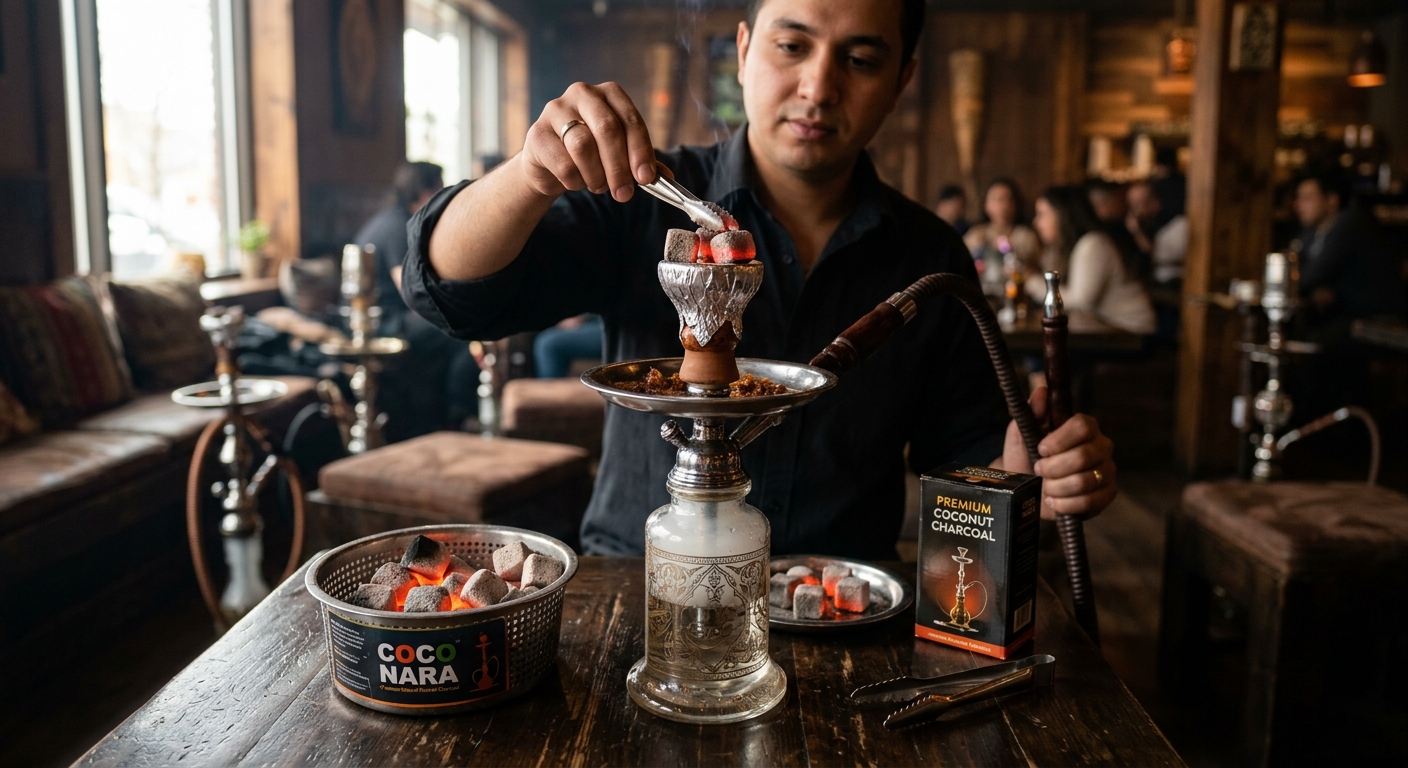
Introduction to Hookah Charcoal
Choosing the right charcoal for hookah is a critical component of preparing the perfect smoking session. The heat source directly affects the flavor, smoke thickness, and longevity of the shisha. Whether you are a beginner or a seasoned enthusiast, understanding the nuances of different charcoal types can significantly enhance your experience. In this comprehensive guide, we will explore everything from natural coconut coals to quick-light options, giving you the knowledge needed to make an informed decision.
Types of Charcoal for Hookah
There are generally two main categories of hookah charcoal: natural coals and quick-light coals. Each has its own set of characteristics, advantages, and drawbacks. Let us delve into the specifics of both to understand how they impact your session.
Natural Hookah Charcoal
Natural charcoal is the preferred choice for hookah purists. Typically made from coconut shells, wood, or bamboo, natural coals do not contain the chemical accelerants found in quick-lights. This means they burn cleaner, last longer, and, most importantly, do not impart any unwanted flavors to your shisha.
Coconut charcoal has become the gold standard in the industry. For a deeper understanding of how these are produced and their specific advantages, you can read The Ultimate Guide to Coco Coal: Benefits, Manufacturing, and Uses. These coals require a dedicated heat source, such as a single-coil electric burner or a gas stove, to light properly. The lighting process usually takes about 5 to 10 minutes, but the reward is a consistent, even heat that can last for over an hour.
Quick-Light Hookah Charcoal
Quick-light coals are designed for convenience and speed. They are coated with a chemical accelerant (often sulfur or saltpeter) that allows them to be lit easily with a standard cigarette lighter or a match. Within seconds, the coal sparks and begins to turn red.
While they are incredibly convenient for outdoor sessions or when you do not have access to a stove, quick-lights come with notable downsides. They burn much faster than natural coals, usually lasting only 20 to 30 minutes. Additionally, the chemical accelerant can produce a distinct odor and alter the taste of the shisha, which many experienced smokers find undesirable.
Comparing Hookah Charcoals
To help you decide which type of coal is best for your needs, we have prepared a comparison between natural coconut coals and standard quick-light coals based on burn time, lighting method, and impact on flavor.
| Charcoal Type | Average Burn Time | Lighting Method | Impact on Flavor |
|---|---|---|---|
| Natural Coconut Coals | 60 - 90 minutes | Electric burner / Stove | None |
| Quick-Light Coals | 20 - 30 minutes | Lighter / Match | Chemical aftertaste |
How to Light Hookah Charcoal Safely and Effectively
Properly lighting your charcoal is essential for a safe and enjoyable session. Unlit or partially lit coals can ruin the flavor of the shisha and introduce carbon monoxide into your smoke. Here is how to light both types correctly.
Lighting Natural Coals
To light natural coals, place them directly on an electric coil burner or a gas stove. Turn the heat to high. After about 4 to 5 minutes, use metal tongs to flip the coals. Wait another 3 to 4 minutes until the coals are completely glowing red and covered in a fine layer of gray ash. Never use partially lit natural coals.
Lighting Quick-Light Coals
Hold the quick-light coal with your tongs and apply a lighter flame to the edge. It will begin to spark. Keep holding it safely until the sparking stops and the coal is fully covered in gray ash. Always light quick-lights in a well-ventilated area to avoid inhaling the chemical smoke produced during ignition.
The Global Market and Sourcing
The production and pricing of hookah charcoal are tied to global markets, particularly in regions where raw materials like coconut shells are abundant. Indonesia is one of the largest producers of high-quality coconut charcoal in the world. Market fluctuations can impact the availability and cost of premium coals. If you are interested in the economic factors behind charcoal production, you can check out this resource: سعر طن الفحم في إندونيسيا: دليل شامل للسوق والاتجاهات.
Heat Management Tips
Once your coals are lit, managing the heat on your hookah bowl is the next crucial step. Proper heat management prevents the shisha from burning and ensures thick, flavorful smoke.
- Start Slow: Place two to three coals on the edge of your bowl, depending on its size. Allow the bowl to heat up for a few minutes before taking your first draw.
- Rotate Coals: Regularly rotate the coals around the edge of the bowl to ensure even heating and prevent hot spots.
- Ashing: Use your tongs to gently tap the coals in the tray every 15-20 minutes to remove excess ash, which can insulate the coal and reduce its heat output.
- Use a Heat Management Device (HMD): Consider investing in an HMD, which replaces foil and allows for more precise control over the heat transfer from the coals to the shisha.
Conclusion
Selecting the right charcoal for hookah is a vital part of achieving the perfect smoking session. While quick-light coals offer undeniable convenience, natural coconut coals remain the superior choice for their clean burn, longevity, and neutral flavor profile. By understanding how to properly light and manage your coals, you can elevate your hookah experience to new heights. Always prioritize quality and safety when handling charcoal to ensure enjoyable and flavorful sessions every time.
Frequently Asked Questions
How long do natural hookah coals last?
Natural hookah coals, particularly those made from coconut shells, typically last between 60 to 90 minutes, depending on the brand, size, and how you manage the heat during the session.
Can I light natural coals with a regular lighter?
No, natural coals do not contain chemical accelerants and cannot be lit with a standard flame lighter. They require a sustained heat source, such as an electric coil burner or a gas stove, to become fully lit.
Why do quick-light coals taste bad?
Quick-light coals are coated with chemical accelerants to make them ignite rapidly. If they are not fully lit before being placed on the bowl, or simply due to the nature of the chemicals, they can produce an unpleasant odor and alter the taste of the shisha.
What should fully lit hookah coal look like?
A fully lit hookah coal should be glowing red all the way through and completely covered in a thin layer of gray ash. There should be no black, unlit spots remaining on the coal.