Comprehensive Guide to Choosing a Charcoal Briquettes Manufacturer
Introduction to Charcoal Briquettes Manufacturing
Finding a reliable charcoal briquettes manufacturer is a critical step for businesses in the grilling, shisha, and industrial heating sectors. The quality of the charcoal you source directly impacts the performance of the end product, from burn time and heat consistency to ash production and flavor neutrality. In this comprehensive guide, we will explore the intricate world of charcoal briquette production, highlighting what makes a manufacturer stand out in a competitive market.
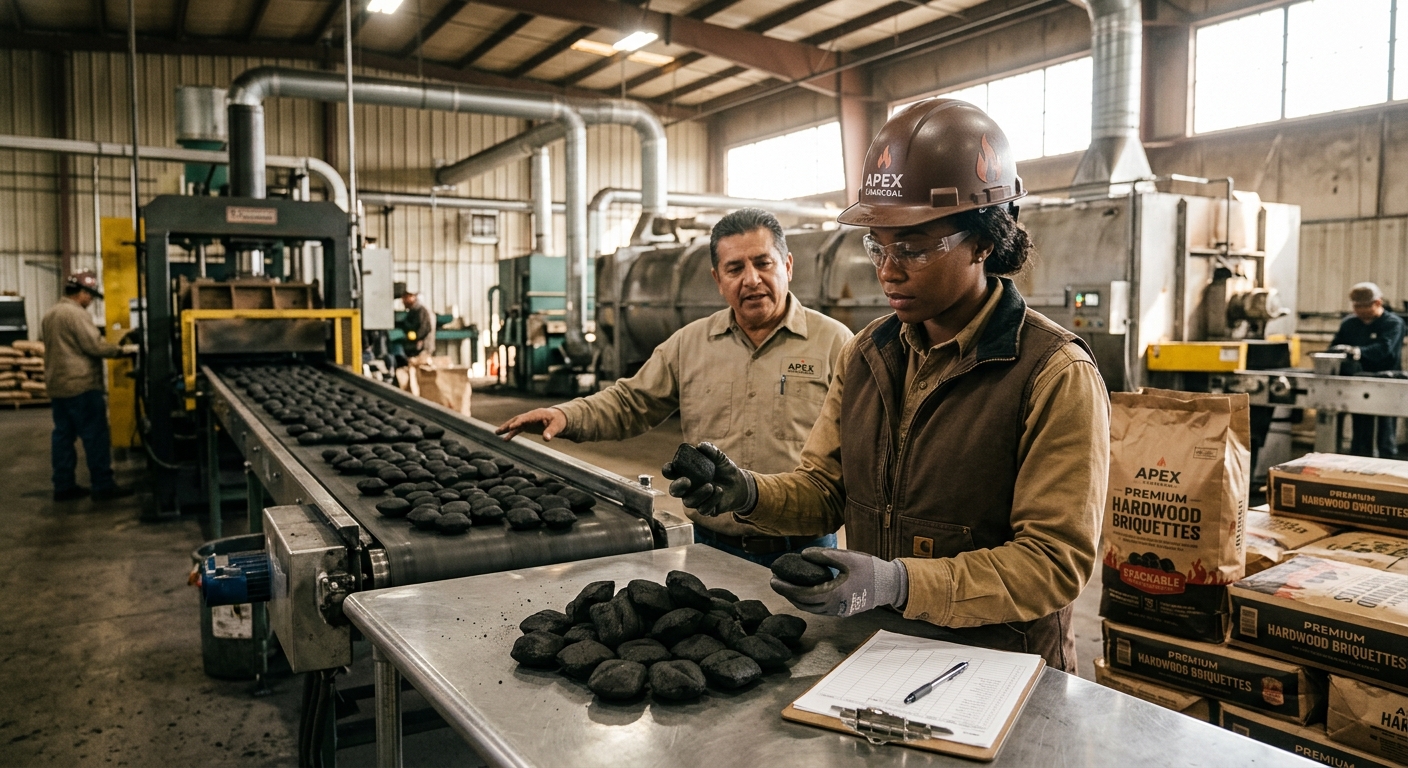
Understanding the manufacturing process is essential for making informed sourcing decisions. Manufacturers utilize various raw materials, such as hardwood sawdust, coconut shells, and bamboo, binding them under high pressure to create uniform briquettes. This process requires precision, quality control, and a commitment to sustainability.
The Manufacturing Process Explained
Raw Material Selection
The foundation of any high-quality charcoal briquette is the raw material. Premium manufacturers often prefer coconut shells due to their high carbon content and minimal environmental impact. To understand more about this specific material, you can read The Ultimate Guide to Coco Coal: Benefits, Manufacturing, and Uses. Hardwood sawdust is another popular choice, providing a classic smoky flavor ideal for barbecue applications.
Carbonization and Crushing
Once the raw materials are collected, they undergo carbonization—a process of heating the biomass in an oxygen-depleted environment. This removes moisture and volatile compounds, leaving behind pure carbon. The resulting charcoal is then crushed into a fine powder, ensuring consistency in the final briquette.
Mixing and Extrusion
The charcoal powder is mixed with a natural binder, typically tapioca starch or cassava flour, and water. This mixture is then fed into extrusion machines or presses, which mold the charcoal into specific shapes—such as cubes, hexagons, or pillows. The pressure applied during this stage determines the density and burn duration of the briquettes.
Drying and Packaging
Freshly pressed briquettes contain significant moisture and must be dried in specialized ovens. Proper drying prevents cracking and ensures easy ignition. Finally, the briquettes are cooled and packaged according to client specifications, ready for distribution.
Comparing Different Types of Charcoal Briquettes
When selecting a manufacturer, it is helpful to understand the differences between the most common types of charcoal briquettes they produce. Below is a comparison of coconut shell briquettes and hardwood sawdust briquettes.
| Briquette Type | Primary Raw Material | Burn Time | Ash Content | Primary Application |
|---|---|---|---|---|
| Coconut Briquettes | Coconut Shells | 120 Minutes | 2.5% | Shisha / Hookah |
| Hardwood Briquettes | Hardwood Sawdust | 90 Minutes | 5.0% | Barbecue Grilling |
What to Look for in a Manufacturer
Quality Control Standards
A reputable manufacturer implements strict quality control measures at every stage of production. This includes testing the moisture content, fixed carbon percentage, and ash yield of the final product. Consistent quality ensures that your customers receive reliable performance with every purchase.
Sustainability and Ethical Sourcing
In today's environmentally conscious market, sourcing sustainable products is more important than ever. Look for manufacturers that use agricultural waste, such as coconut shells, rather than cutting down trees. Sustainable practices not only protect the environment but also appeal to eco-minded consumers. If you are specifically looking for coconut-based products, checking out a Coconut Charcoal Briquette Supplier: A Comprehensive Guide to Quality and Sourcing will provide valuable insights.
Production Capacity and Lead Times
Evaluate the manufacturer's production capacity to ensure they can meet your volume requirements, especially during peak seasons. Clear communication regarding lead times, shipping logistics, and minimum order quantities (MOQs) is essential for maintaining a steady supply chain.
Conclusion
Choosing the right charcoal briquettes manufacturer requires careful consideration of their production methods, quality control standards, and commitment to sustainability. By understanding the manufacturing process and knowing what to look for, you can establish a successful partnership that provides high-quality products to your customers. Whether you require premium coconut briquettes for shisha or durable hardwood briquettes for grilling, a reliable manufacturer is the backbone of your supply chain.
Frequently Asked Questions
What are charcoal briquettes made of?
Charcoal briquettes are typically made from carbonized biomass, such as coconut shells, hardwood sawdust, or bamboo, mixed with a natural binder like tapioca starch and molded into uniform shapes.
Why are coconut shell briquettes preferred for shisha?
Coconut shell briquettes are preferred for shisha because they have a high fixed carbon content, burn hotter and longer, produce very little ash, and are completely tasteless and odorless, preserving the flavor of the shisha tobacco.
How do I verify the quality of a manufacturer's briquettes?
You can verify quality by requesting product samples, reviewing their laboratory test reports (which detail moisture, ash, and carbon content), and checking for international certifications such as ISO or FSC.
What is the typical shelf life of charcoal briquettes?
When stored in a cool, dry place away from moisture, charcoal briquettes have an almost indefinite shelf life. However, prolonged exposure to humidity can affect their ability to ignite easily.