Certified Coconut Charcoal Factory Lab Tested: Your Ultimate Guide to Quality Briquettes
Introduction to Certified Coconut Charcoal
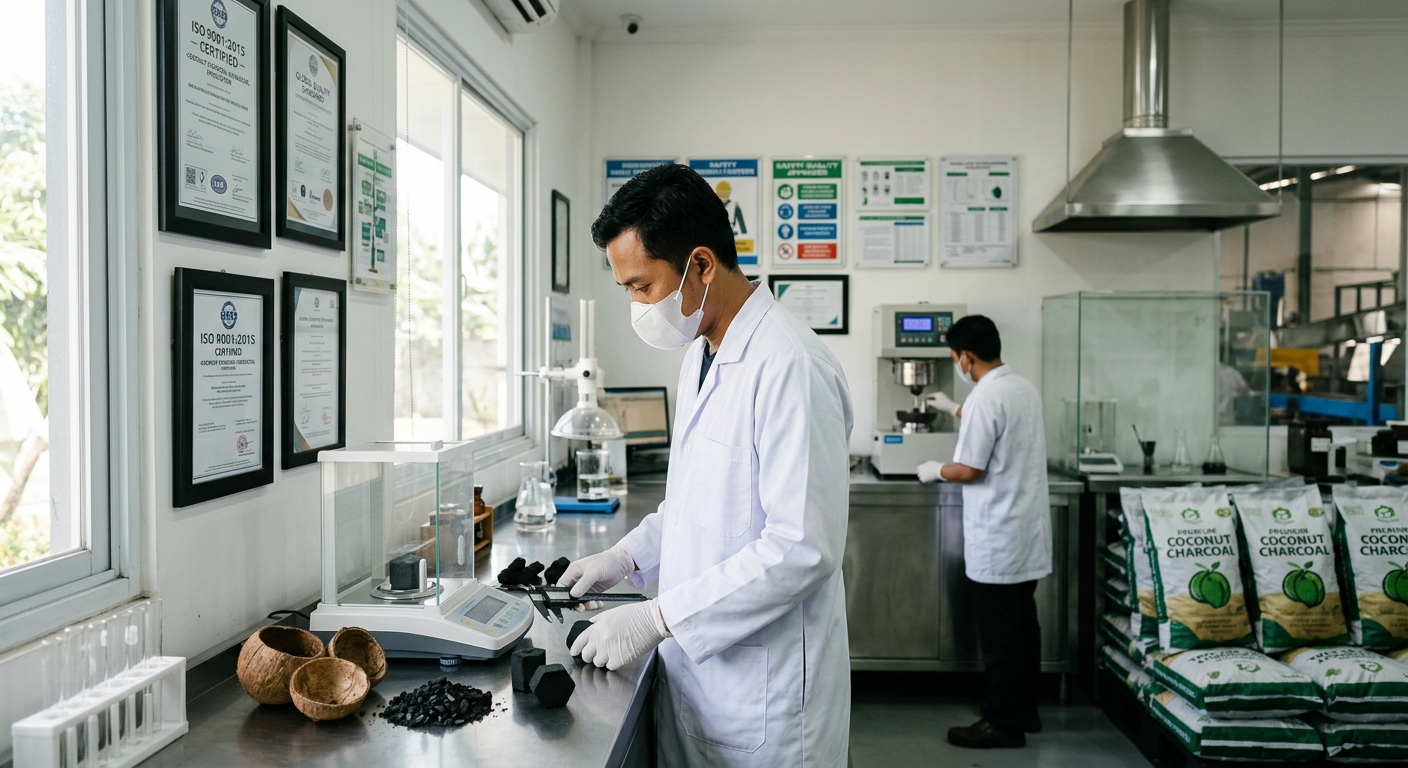
In the rapidly growing market of alternative fuels and shisha accessories, finding a reliable supplier is paramount. A certified coconut charcoal factory lab tested for quality assurance stands out as the gold standard. Coconut charcoal briquettes have gained immense popularity due to their eco-friendly nature, long burning time, and minimal ash production. However, not all charcoal is created equal. Sourcing from a factory that adheres to strict international standards and provides comprehensive lab testing ensures that you are getting a premium product.
This comprehensive guide will delve into what makes a certified coconut charcoal factory essential, the rigorous lab testing processes involved, and why businesses worldwide are making the switch to this sustainable energy source.
The Importance of Certification in Coconut Charcoal Production
Certifications are not just badges of honor; they are guarantees of quality, safety, and environmental responsibility. A certified factory operates under stringent guidelines that dictate everything from raw material sourcing to the final packaging. When a factory is certified, it means an independent third party has verified their processes.
Quality Assurance
Quality assurance is the backbone of any reputable coconut charcoal factory. Certifications ensure that the briquettes produced meet specific criteria for moisture content, ash content, fixed carbon, and volatile matter. High fixed carbon ensures a hotter, longer burn, while low ash content means less mess and a cleaner experience for end-users.
Environmental Sustainability
Coconut charcoal is inherently eco-friendly because it utilizes the shells of coconuts, an agricultural byproduct that would otherwise go to waste. No trees are cut down to produce coconut charcoal. Certified factories take this a step further by ensuring their production processes minimize emissions and environmental impact.
Understanding Lab Testing for Coconut Charcoal
When we say a factory is "lab tested," what exactly are they testing for? Independent laboratory testing is crucial for verifying the specifications of the charcoal briquettes. Here are the key parameters tested in a certified coconut charcoal factory lab tested environment:
- Moisture Content: High moisture leads to difficulty in lighting and sparks. Premium charcoal has a moisture content below 5%.
- Ash Content: Less ash means better quality. Top-tier coconut charcoal boasts an ash content between 2% and 2.5%.
- Fixed Carbon: This indicates the energy potential. A higher fixed carbon percentage (usually 75% to 85%) means a longer, hotter burn.
- Volatile Matter: This affects the smoke and smell. Lower volatile matter means a cleaner burn.
- Calorific Value: The amount of heat produced. For more insights on this, you can read about High Calorie Coconut Charcoal from Indonesia: The Ultimate Guide.
The Production Process in a Certified Factory
Producing premium coconut charcoal briquettes is a meticulous process that requires precision at every step. A certified factory follows standardized procedures to ensure consistency.
1. Sourcing the Raw Material
The process begins with sourcing high-quality, fully matured coconut shells. The quality of the shell directly impacts the quality of the charcoal. Factories often partner with local farmers to ensure a steady supply of premium shells.
2. Carbonization
The shells are cleaned and dried before undergoing carbonization. This involves burning the shells in a controlled environment with limited oxygen. This process converts the shells into charcoal while driving off moisture and volatile compounds.
3. Crushing and Sieving
The carbonized shells are then crushed into a fine powder. Sieving ensures that the powder particles are of a uniform size, which is critical for the density and strength of the final briquette.
4. Mixing and Binding
The fine charcoal powder is mixed with a natural, food-grade binder, usually tapioca starch. This natural binder holds the powder together without adding any chemical odors or flavors.
5. Briquetting and Drying
The mixture is extruded or pressed into the desired shapes (cubes, flats, or hexagons). Finally, the briquettes undergo a lengthy drying process in industrial ovens to reduce the moisture content to the required level.
Benefits of Sourcing from a Lab-Tested Factory
For businesses looking to buy in large quantities, understanding the supply chain is vital. If you are looking to scale your business, checking out a Natural Coconut Charcoal Bulk Supplier: The Complete Guide can provide valuable insights. Sourcing from a certified coconut charcoal factory lab tested facility offers numerous advantages:
- Consistency: Lab testing ensures that every batch meets the same high standards.
- Safety: Certified factories ensure their products are free from harmful chemicals and heavy metals.
- Brand Reputation: Selling high-quality, reliable charcoal builds trust with your customers.
- Customization: Professional factories can adjust specifications (like shape, size, and ash color) to meet specific market demands.
Comparing Coconut Charcoal to Traditional Charcoal
To truly appreciate the value of lab-tested coconut charcoal, it is helpful to compare it to traditional wood charcoal.
| Feature | Premium Coconut Charcoal | Traditional Wood Charcoal |
|---|---|---|
| Burn Time | Up to 2.5 hours | 30 to 45 minutes |
| Heat Output | Very High (High Calorific Value) | Moderate to High |
| Ash Production | Very Low (2-3%) | High (Up to 10%) |
| Odor & Smoke | Odorless and Smokeless | Can produce smoke and odor |
| Sustainability | 100% Eco-friendly (No trees cut) | Contributes to deforestation |
Conclusion
In conclusion, partnering with a certified coconut charcoal factory lab tested for quality and performance is essential for any business serious about offering premium products. From strict quality control measures to sustainable production practices, certified factories ensure that the briquettes you receive are consistent, clean-burning, and highly efficient. By choosing lab-tested coconut charcoal, you are not only providing a superior product to your customers but also supporting eco-friendly practices that protect our environment.
Frequently Asked Questions (FAQ)
What does it mean for a coconut charcoal factory to be certified?
A certified factory has been audited by independent organizations to ensure their production processes, quality control, and environmental practices meet specific international standards.
Why is lab testing important for coconut charcoal?
Lab testing verifies the exact specifications of the charcoal, such as moisture, ash, and fixed carbon content. This guarantees that the product will perform consistently, burning longer and hotter with minimal ash.
Is coconut charcoal better for the environment?
Yes. Coconut charcoal is made from discarded coconut shells, meaning no trees are cut down to produce it. It is a highly sustainable and eco-friendly alternative to traditional wood charcoal.
How do I know if the charcoal has a high calorific value?
A high calorific value is confirmed through laboratory testing. It indicates the amount of heat the charcoal can produce, which is directly related to its fixed carbon content.