Carbones de Coco: The Ultimate Guide to Coconut Charcoal
Introduction to Carbones de Coco
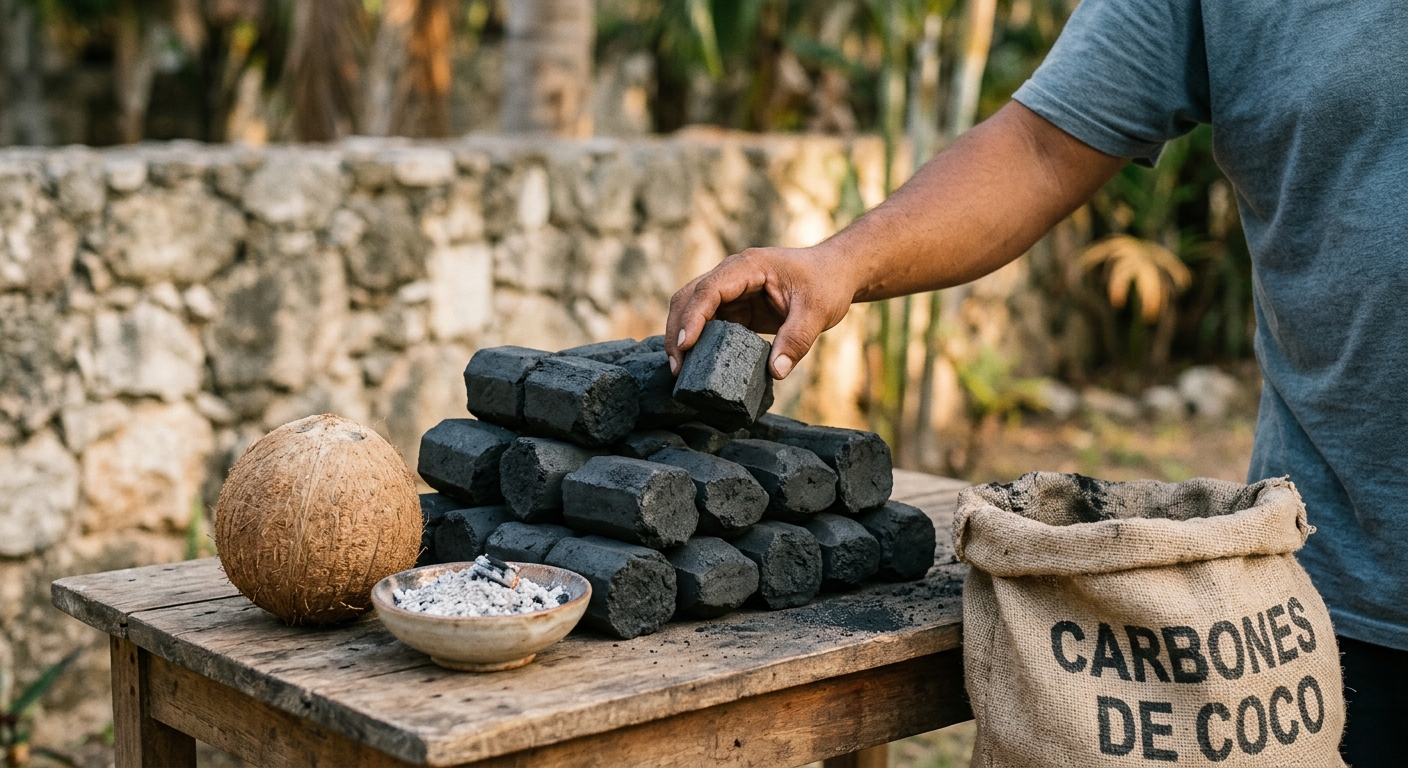
In recent years, the market has seen a significant shift toward sustainable and high-performing alternatives in heating and grilling. Among the most popular choices are carbones de coco, or coconut shell charcoal. Unlike traditional wood charcoal, coconut charcoal is derived from the discarded shells of coconuts, making it an incredibly eco-friendly and efficient energy source. This article explores the benefits, manufacturing process, and various applications of carbones de coco, providing a comprehensive overview for both casual users and businesses looking to source premium products.
Why Choose Carbones de Coco?
The rise in popularity of coconut charcoal is not without reason. Consumers and businesses alike are recognizing the superior qualities that carbones de coco offer over traditional lump charcoal or standard briquettes.
Eco-Friendly and Sustainable
One of the primary advantages of carbones de coco is its sustainability. No trees are cut down to produce this charcoal. Instead, it utilizes coconut shells that would otherwise be discarded as agricultural waste. By choosing coconut charcoal, consumers are actively reducing deforestation and promoting a circular economy.
Longer Burning Time
Carbones de coco are incredibly dense, which translates to a much longer burning time compared to traditional wood charcoal. A single briquette can last up to three times longer, making it highly cost-effective and convenient for long grilling sessions or extended shisha smoking.
Minimal Ash Production
Another significant benefit is the low ash residue. High-quality coconut charcoal typically produces less than 3% ash, which makes cleanup a breeze and ensures a cleaner burning experience. This is particularly important for shisha enthusiasts who require a pure, untainted flavor.
Odorless and Smokeless
Premium carbones de coco burn without producing any unwanted smoke or odors. This means that the natural flavors of your food or shisha tobacco are not overpowered by the taste of burning wood or chemical additives.
The Manufacturing Process of Coconut Charcoal
Understanding how carbones de coco are made highlights why they are considered a premium product. The process is meticulous and requires precise temperature control and binding techniques.
If you are curious about the step-by-step production, you can read more about it by exploring Inside a Shisha Charcoal Factory: The Manufacturing Process Revealed.
1. Carbonization
The process begins with the carbonization of dry coconut shells. The shells are burned in a controlled environment with limited oxygen. This turns the shells into raw coconut charcoal while burning off impurities and volatile compounds.
2. Crushing and Sieving
Once carbonized, the raw charcoal is crushed into a fine powder. It is then passed through sieves to ensure a uniform particle size, which is crucial for the density and quality of the final briquette.
3. Mixing and Binding
The fine charcoal powder is mixed with a natural binder, usually tapioca starch, and water. This natural binder ensures that the briquettes hold their shape without introducing any chemical additives that could affect the smell or taste during burning.
4. Molding and Drying
The mixture is then pressed into various shapes, such as cubes, cylinders, or hexagonal logs, depending on the intended use. Finally, the shaped briquettes are dried in massive industrial ovens to reduce the moisture content to below 5%, ensuring a quick light and a long burn.
Sourcing Carbones de Coco
For businesses looking to purchase coconut charcoal in bulk, finding a reliable supplier is paramount. Indonesia is globally recognized as the leading producer of high-quality coconut charcoal, thanks to its abundant supply of premium coconuts.
To ensure you are getting the best product for your business, check out this resource: Supplier Charcoal Indonesia: The Ultimate Guide to Premium Coconut Briquettes.
Below is a comparison of typical specifications between standard wood charcoal and premium coconut charcoal.
| Charcoal Type | Burn Time | Ash Content | Heat Output (kcal/kg) |
|---|---|---|---|
| Standard Wood Charcoal | 45 - 60 minutes | 5% - 8% | 6,000 |
| Premium Carbones de Coco | 90 - 120 minutes | 1.5% - 2.5% | 7,200 - 7,500 |
Applications of Carbones de Coco
The versatility of coconut charcoal makes it suitable for a variety of uses, from recreational activities to industrial applications.
Hookah and Shisha
In the world of hookah, carbones de coco are the gold standard. The lack of smoke, odor, and low ash production ensures that the delicate flavors of the shisha tobacco are preserved. The consistent heat output also prevents the tobacco from burning too quickly.
Barbecue and Grilling
For barbecue enthusiasts, coconut charcoal provides a steady, high heat that is perfect for searing meats. Its long burn time means you won't have to constantly replenish the grill during a long cookout.
Conclusion
Carbones de coco represent the future of sustainable, high-performance charcoal. Whether you are an avid griller, a shisha lounge owner, or a distributor, the benefits of switching to coconut charcoal are undeniable. From its eco-friendly origins to its long-lasting, clean burn, it is a superior choice that delivers on all fronts. As the demand for sustainable products continues to grow, carbones de coco will undoubtedly remain at the forefront of the market.
Frequently Asked Questions
Are carbones de coco safe to use indoors?
While carbones de coco produce very little smoke, burning any form of charcoal releases carbon monoxide. Therefore, they should only be used in well-ventilated areas to ensure safety.
How do I light coconut charcoal?
Because carbones de coco are very dense and contain no chemical accelerants, they take a bit longer to light than standard charcoal. An electric coil burner or a charcoal chimney starter is recommended for the best results.
Do carbones de coco expire?
If stored correctly in a cool, dry place away from moisture, coconut charcoal can last indefinitely without losing its burning properties.