Buy Indonesian Hookah Charcoal in Germany: The Ultimate Guide
Introduction to Premium Hookah Charcoal
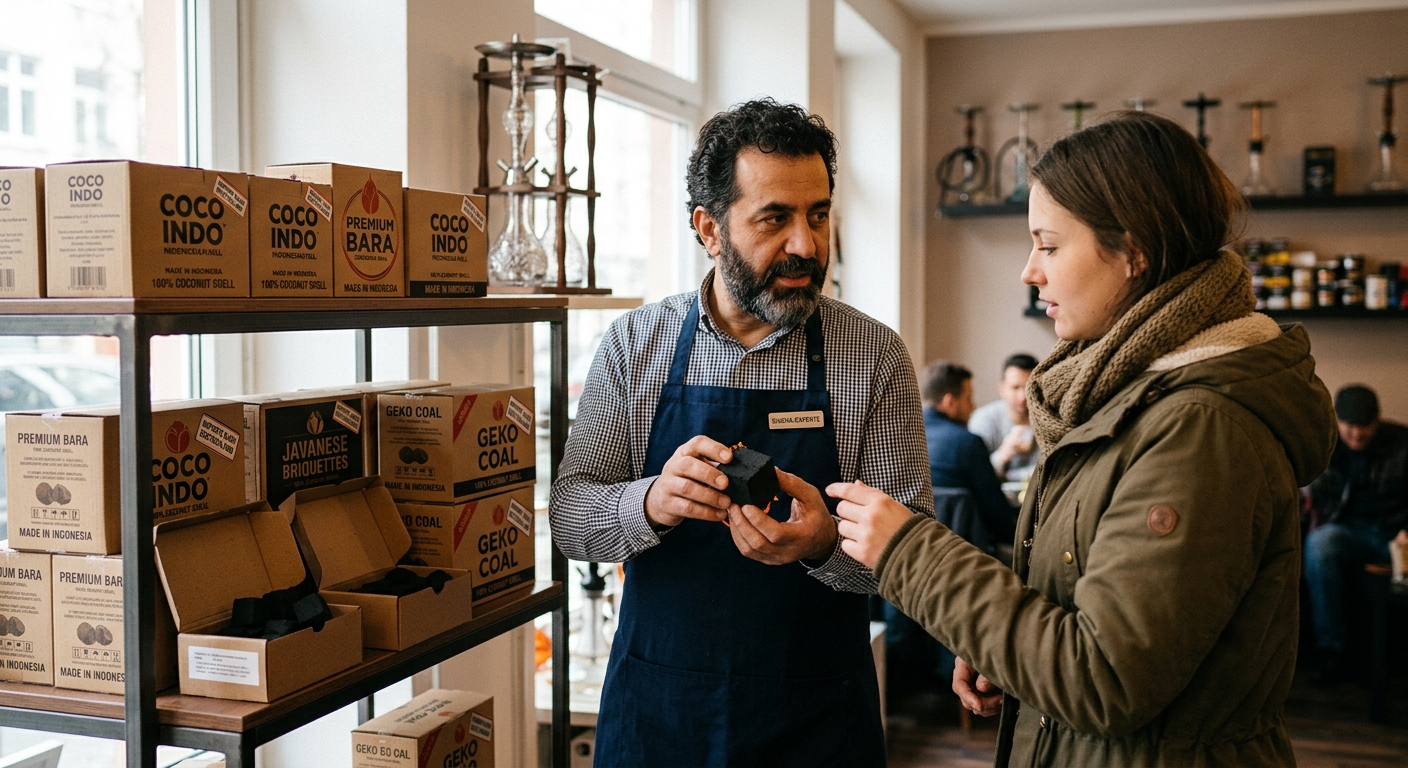
In recent years, the hookah culture in Germany has seen an unprecedented rise in popularity. Enthusiasts and lounge owners alike understand that the quality of the charcoal used can make or break the smoking experience. When looking to buy indonesian hookah charcoal germany, consumers are seeking the pinnacle of quality: coconut shell briquettes. Known for their long burn time, minimal ash production, and odorless combustion, Indonesian coconut charcoal has become the gold standard in the global shisha market.
Sourcing this premium product directly from Indonesia to Germany involves understanding the supply chain, quality standards, and the economic factors that influence pricing. Whether you are a distributor, a lounge owner, or an avid enthusiast, knowing what to look for ensures you receive the best possible product.
Why Choose Indonesian Coconut Charcoal?
Indonesia is the world's largest producer of coconuts, providing an abundant supply of the raw materials needed for high-quality charcoal. The process involves carbonizing coconut shells and compressing them into briquettes. This method produces a natural, eco-friendly product that outperforms traditional quick-light coals or wood-based charcoal.
Key Benefits of Indonesian Charcoal
- Longer Burn Time: High-density coconut briquettes burn significantly longer than other types, often lasting up to two hours.
- Low Ash Content: Premium Indonesian charcoal leaves behind very little ash, usually less than 2.5%, keeping your shisha bowl clean.
- Odorless and Tasteless: It does not interfere with the flavor of the shisha tobacco, allowing for a pure smoking experience.
- Eco-Friendly: Made from coconut shells, a byproduct of the coconut industry, it does not contribute to deforestation.
Sourcing and B2B Manufacturing
For businesses looking to import hookah charcoal into Germany, understanding the manufacturing process in Indonesia is crucial. The quality of the final product depends heavily on the production standards of the factory. To gain a deeper understanding of this process and how to partner with the right suppliers, you should read about B2B Shisha Charcoal Manufacture in Indonesia: The Ultimate Guide. This resource highlights the importance of quality control, packaging, and export logistics when dealing with Indonesian manufacturers.
Comparing Charcoal Grades
When purchasing charcoal for the German market, buyers typically choose between premium and standard grades. The following table compares these two grades based on key attributes such as carbon content, ash percentage, and average burn time.
| Charcoal Grade | Carbon Content | Ash Percentage | Burn Time |
|---|---|---|---|
| Premium Grade | > 80% | < 2.5% | 100-120 minutes |
| Standard Grade | 70-75% | 3-5% | 60-80 minutes |
Understanding Market Pricing and Raw Materials
The price of hookah charcoal in Germany is heavily influenced by the cost of raw materials in Indonesia. Factors such as weather conditions, demand from other industries, and shipping costs all play a role. A significant aspect of this market is the cost of the raw carbonized shells. For an in-depth look at these economic factors, explore the Coconut Husk Biochar Price Per Ton: A Comprehensive Guide, which provides valuable insights into raw material pricing that directly affects the final cost of hookah briquettes in Europe.
Logistics: Importing to Germany
Importing charcoal from Indonesia to Germany requires navigating international shipping and European customs regulations. Charcoal is considered a hazardous material (Dangerous Goods) due to its combustible nature, which means it requires special documentation, such as a Material Safety Data Sheet (MSDS) and a Self-Heating Test certificate. Working with experienced freight forwarders who understand the nuances of shipping charcoal is essential to avoid delays at German ports like Hamburg or Bremen.
Conclusion
To successfully buy indonesian hookah charcoal germany, one must prioritize quality, understand the manufacturing processes, and navigate the logistics of international trade. Indonesian coconut charcoal remains unmatched in its performance, offering shisha enthusiasts the purest and longest-lasting smoking experience. By partnering with reputable manufacturers and staying informed about market trends and raw material costs, businesses in Germany can secure a steady supply of this premium product, satisfying the demands of a discerning market.
Frequently Asked Questions (FAQ)
Why is Indonesian charcoal considered the best for hookah?
Indonesian charcoal is primarily made from dense coconut shells, resulting in briquettes that burn hotter, last longer, and produce significantly less ash compared to wood or synthetic alternatives. It is also odorless, preserving the flavor of the shisha.
Are there restrictions on importing charcoal to Germany?
Yes, charcoal is classified as a flammable solid and is subject to strict shipping regulations. Importers must provide proper documentation, including an MSDS and self-heating certificates, to comply with international maritime laws and German customs.
How can I identify premium quality coconut charcoal?
Premium charcoal should have a high fixed carbon content (above 80%), low moisture, and an ash content of less than 2.5%. Physically, the briquettes should be hard, uniform in shape, and not easily crumble or produce a lot of dust.
What is the typical burn time for a premium Indonesian charcoal briquette?
A premium Indonesian coconut charcoal briquette typically burns for 100 to 120 minutes, depending on the size of the cube and the airflow management of the hookah setup.