Comprehensive Guide to Bulk Coconut Shisha Charcoal Manufacture
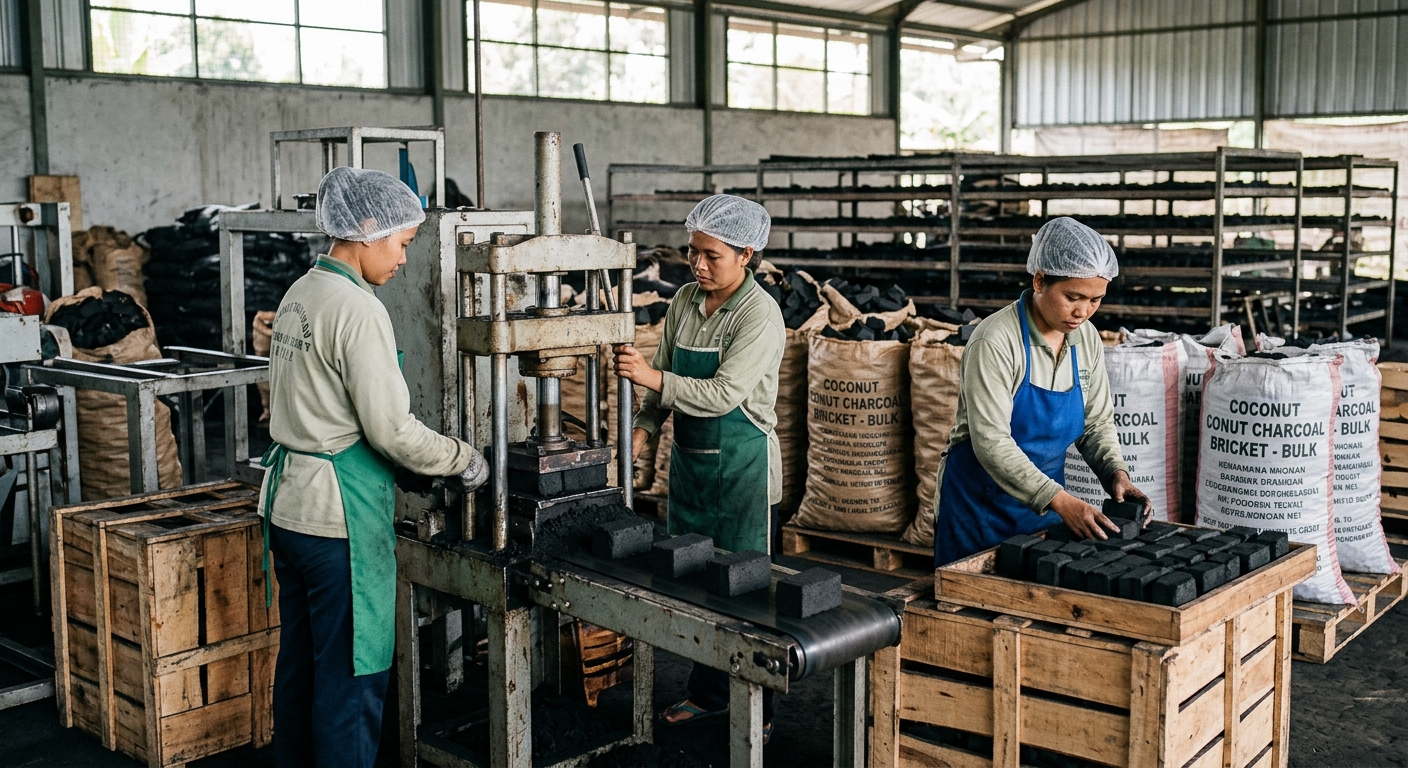
Introduction to Bulk Coconut Shisha Charcoal Manufacture
The global market for shisha, also known as hookah or waterpipe, has seen tremendous growth over the past decade. As the popularity of this leisure activity increases, so does the demand for high-quality accessories and consumables. Among these, the charcoal used to heat the shisha tobacco plays a pivotal role in the overall experience. Traditional quick-light charcoals, often laden with chemicals, are rapidly being replaced by natural alternatives. At the forefront of this shift is coconut shell charcoal.
Bulk coconut shisha charcoal manufacture has become a specialized industry, catering to wholesalers, lounges, and individual enthusiasts worldwide. This article delves deep into the manufacturing process, the environmental and performance benefits, and the business aspects of producing coconut shisha charcoal in large quantities.
Why Coconut Shells? The Superior Raw Material
Coconut shells are an agricultural byproduct, abundant in tropical regions such as Indonesia, the Philippines, and India. Historically considered waste, these shells have found a highly valuable application in charcoal production.
Environmental Sustainability
Unlike wood charcoal, which requires the cutting down of trees, coconut charcoal utilizes the discarded shells of harvested coconuts. This means no deforestation is involved in its production, making it a highly sustainable and eco-friendly option.
Performance Characteristics
For shisha smokers, the quality of the charcoal dictates the quality of the session. Coconut charcoal offers several distinct advantages:
- High Heat Output: Coconut shells are dense, resulting in charcoal that burns hotter and longer than wood or chemical alternatives.
- Low Ash Production: High-quality coconut charcoal leaves very little ash, which prevents the ash from falling into the tobacco and altering the flavor. This is a critical factor for premium suppliers. If you are looking to understand more about this specific quality, check out A Complete Guide to Low Ash Shisha Charcoal Wholesale.
- Odorless and Tasteless: Because it contains no sulfur or chemical accelerants, coconut charcoal does not interfere with the delicate flavors of the shisha tobacco.
The Manufacturing Process: From Shell to Briquette
The bulk manufacture of coconut shisha charcoal is a meticulous process that requires precision at every step to ensure consistency, high heat, and low ash content. Below is a detailed breakdown of the manufacturing stages.
1. Sourcing and Selection of Coconut Shells
The process begins with the procurement of high-quality raw coconut shells. Manufacturers must ensure the shells are fully mature, dry, and free from the fibrous husk. The quality of the raw material directly impacts the fixed carbon content and the ash level of the final product.
2. Carbonization
The selected shells undergo carbonization, a process of burning them in a low-oxygen environment (pyrolysis). This takes place in specialized kilns. The goal is to remove moisture, volatile compounds, and impurities, leaving behind carbon-rich charcoal. Proper carbonization requires careful temperature control; if the temperature is too low, the charcoal will be under-carbonized and produce smoke when lit. If it's too high, it may turn to ash during the process.
3. Crushing and Sieving
Once carbonized, the coconut shell charcoal is crushed into a fine powder. The powder is then passed through a series of sieves to ensure a uniform particle size. Consistency in particle size is crucial for creating strong, dense briquettes that burn evenly.
4. Mixing and Binding
Because natural coconut charcoal powder will not hold a shape on its own, a binder must be added. In high-quality shisha charcoal manufacture, natural food-grade binders, such as tapioca starch or cassava starch, are used. Water is also added to create a dough-like consistency. The ratio of charcoal powder, binder, and water is a closely guarded secret among top manufacturers, as it dictates the briquette's strength and burning characteristics.
5. Briquetting (Extrusion or Pressing)
The charcoal mixture is then fed into briquetting machines. For shisha charcoal, the mixture is typically extruded or pressed into specific shapes—most commonly cubes (e.g., 25x25x25mm or 26x26x26mm), flats, or hexagonal shapes with a center hole. High pressure is applied during this stage to ensure maximum density, which translates to a longer burn time.
6. Drying
The newly formed briquettes contain a significant amount of moisture from the binding process. They are placed in large industrial ovens or drying rooms, where they are slowly baked at controlled temperatures (usually between 80°C and 100°C) for up to 24 to 48 hours. Thorough drying is essential; any residual moisture will cause the charcoal to crack, spark, or extinguish prematurely during use.
7. Quality Control and Packaging
Before packaging, a sample from each batch undergoes rigorous quality control testing. Parameters tested include moisture content, ash content, fixed carbon, drop test (for structural integrity), and a live burning test. Once approved, the briquettes are packaged into inner plastic bags to prevent moisture absorption, placed into branded cardboard boxes, and then packed into master cartons for bulk shipping.
Business Aspects: Becoming a B2B Supplier
The business of bulk coconut shisha charcoal manufacture is primarily B2B (Business-to-Business). Manufacturers supply wholesale distributors, large lounge chains, and retail brands across the globe.
Meeting International Standards
To succeed in the global market, manufacturers must adhere to international shipping and safety standards. Because charcoal is a flammable material, it requires specific documentation, such as a Material Safety Data Sheet (MSDS) and self-heating test certificates, to be shipped internationally via sea freight.
Choosing the Right B2B Partner
For buyers, selecting a reliable manufacturer is paramount. A good supplier offers consistent quality, scalable production capacity, and transparent communication. To navigate the complexities of sourcing, buyers often rely on comprehensive resources such as the B2B Supplier Coconut Charcoal Briquette: A Comprehensive Guide, which outlines the critical factors to consider when establishing a supply chain.
Market Trends and Future Outlook
The demand for bulk coconut shisha charcoal shows no signs of slowing down. As consumers become more health-conscious and discerning regarding their shisha experience, the shift away from chemical-laden quick-light coals toward natural coconut briquettes will continue.
Innovations in Manufacturing
Manufacturers are continually investing in better machinery to improve efficiency and consistency. Automated drying rooms, advanced extrusion technologies, and precise digital temperature controls in carbonization kilns are becoming standard in top-tier facilities.
Quality Metrics Table
To understand what constitutes premium coconut shisha charcoal, refer to the table below detailing standard quality metrics:
| Metric | Premium Standard Range | Impact on Performance |
|---|---|---|
| Fixed Carbon | 75% - 85% | Determines heat output and burn duration. Higher is better. |
| Ash Content | 1.5% - 2.5% | Low ash prevents flavor contamination and mess. |
| Moisture Content | < 5% | Ensures quick lighting and prevents cracking. |
| Volatile Matter | 10% - 15% | Influences ignition speed; too high causes smoke and smell. |
| Burn Time | 90 - 120 minutes | Provides a long, uninterrupted shisha session. |
Conclusion
The bulk manufacture of coconut shisha charcoal is a complex yet highly rewarding industry that sits at the intersection of agricultural sustainability and premium consumer goods. By utilizing discarded coconut shells, manufacturers are creating a product that not only outperforms traditional alternatives but also supports environmentally friendly practices. From the careful selection of raw materials to the precise carbonization, mixing, and drying processes, every step requires stringent quality control to produce the perfect briquette. As the global shisha market continues to expand and mature, the demand for high-quality, natural coconut charcoal will remain strong, making it a lucrative sector for dedicated manufacturers and B2B suppliers worldwide.
Frequently Asked Questions
What makes coconut charcoal better than wood charcoal for shisha?
Coconut charcoal is much denser than wood charcoal, meaning it burns hotter and significantly longer. Additionally, it produces less ash, does not spark, and is completely odorless and tasteless, which preserves the authentic flavor of the shisha tobacco.
Why is a binder necessary in manufacturing coconut charcoal briquettes?
Carbonized coconut shell powder does not possess natural adhesive properties. A food-grade binder, usually tapioca or cassava starch, must be added to the powder and water mixture to hold the charcoal together in its briquette shape and give it structural integrity.
How do I ensure the charcoal I buy in bulk is of high quality?
When purchasing in bulk, always request a sample for testing and ask for the manufacturer's specification sheet. Look for high fixed carbon (above 75%), low ash content (under 2.5%), and low moisture (under 5%). Performing a drop test and a live burn test will also verify the briquettes' physical strength and performance.
Are there safety regulations for shipping bulk charcoal internationally?
Yes. Because charcoal is a combustible material, it is regulated for international transport. Suppliers must provide specific documentation, including a Material Safety Data Sheet (MSDS) and a certificate from an accredited laboratory proving that the charcoal has passed a self-heating test (often referred to as the SHT test) to ensure it is safe for ocean freight.