Discover the Best Indonesia Shisha Charcoal Manufacturer: A Complete Guide
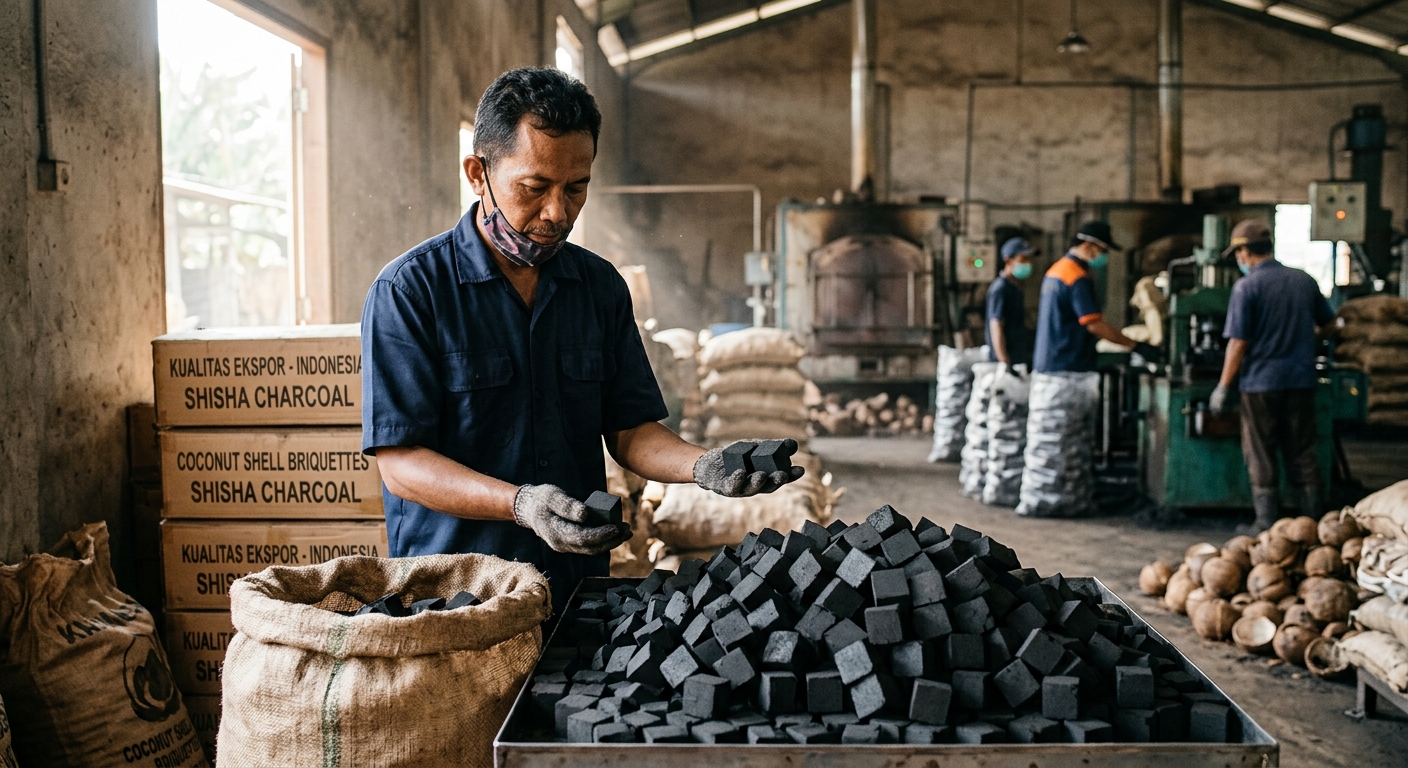
Introduction to Indonesia's Shisha Charcoal Industry
Indonesia is globally recognized as a premier producer of high-quality shisha charcoal. The country's abundant natural resources, particularly coconut shells, provide the perfect raw material for manufacturing premium briquettes. When searching for the best Indonesia shisha charcoal manufacture, it is essential to understand the intricate production processes, quality control measures, and the environmental benefits associated with these products. This article delves deep into what makes Indonesian shisha charcoal the top choice for enthusiasts and distributors worldwide.
Why Coconut Shells Make the Best Shisha Charcoal
The secret behind the superior performance of Indonesian shisha charcoal lies in the use of 100% natural coconut shells. Unlike wood or quick-light charcoal, coconut shell briquettes offer a clean, odorless, and tasteless burn. This ensures that the natural flavor of the shisha tobacco is preserved and enhanced. The high density of coconut shell charcoal translates to a longer burning time and consistent heat output, which are critical factors for an optimal hookah session.
For a deeper dive into the advantages and manufacturing process of this raw material, you can read our Comprehensive Guide to Coconut Shell Charcoal: Benefits, Uses, and Production. This guide highlights why coconut shells are not only superior in performance but also an eco-friendly choice, utilizing agricultural waste rather than contributing to deforestation.
The Manufacturing Process: From Shell to Briquette
1. Sourcing and Carbonization
The journey begins with the careful selection of mature coconut shells from local farmers across Indonesia. These shells are then subjected to a carbonization process, where they are burned in a low-oxygen environment. This step is crucial as it removes moisture and volatile compounds, leaving behind pure carbon with high energy density.
2. Crushing, Mixing, and Pressing
Once carbonized, the charcoal is crushed into a fine powder. To bind the powder into briquettes, manufacturers use a natural food-grade binder, typically tapioca starch. The mixture is then pressed into various shapes, such as cubes, flats, or hexagons, depending on market demand. The pressing must be highly calibrated to ensure the briquettes are dense and will not crack during combustion.
3. Drying and Quality Control
The formed briquettes are dried in massive industrial ovens to reduce the moisture content to below 5%. Strict quality control protocols are implemented at this stage. The best Indonesia shisha charcoal manufacturers perform rigorous drop tests, ash content analysis, and burn tests to guarantee that every batch meets international standards.
Comparing Shisha Charcoal Types
To help you understand the differences between the common types of shisha charcoal available on the market, we have prepared a comparison table detailing their key attributes.
| Charcoal Type | Burn Time | Ash Content | Odor/Taste Impact |
|---|---|---|---|
| Coconut Shell Briquettes | 90-120 minutes | Under 3% | None (Tasteless) |
| Wood Charcoal | 45-60 minutes | 5-8% | Moderate |
| Quick-Light Charcoal | 30-45 minutes | High (over 10%) | Strong chemical taste |
Logistics and Exporting Indonesian Charcoal
Exporting shisha charcoal from Indonesia involves navigating complex international trade regulations and logistics. Manufacturers must ensure proper packaging to prevent moisture absorption and physical damage during transit. Furthermore, working with reliable shipping partners and understanding international customs procedures is vital for timely delivery.
For instance, when exporting to or transiting through specific regions, companies must be aware of local customs requirements. A prime example of this is Understanding the Azerbaijan Customs Broker Transit Declaration Fee (80-150 USD), which highlights the hidden costs and administrative hurdles that can affect international supply chains. Navigating these complexities ensures that the premium charcoal reaches global markets efficiently.
Key Attributes of the Best Indonesian Manufacturers
Sustainability and Eco-Friendliness
Top-tier manufacturers prioritize sustainable practices. By utilizing coconut shells, a byproduct of the copra and coconut oil industries, they prevent waste and avoid the cutting down of trees. Furthermore, reputable factories invest in smoke-reduction technologies during the carbonization process to minimize their carbon footprint.
Customization and OEM Services
The best manufacturers offer extensive Original Equipment Manufacturer (OEM) services. This allows global brands to customize the shape, size, and packaging of the charcoal to fit their specific target demographics. From inner plastic wrapping to premium branded master boxes, flexibility in production is a hallmark of a leading supplier.
Consistency and Reliability
Consistency is king in the shisha charcoal industry. Buyers expect every box to perform identically to the last. Leading Indonesian factories achieve this through standardized operating procedures, advanced machinery, and continuous staff training. Reliability in delivery schedules and transparent communication further distinguish the best from the rest.
Conclusion
Finding the best Indonesia shisha charcoal manufacture requires looking beyond just the price. It involves evaluating the manufacturer's commitment to quality, sustainability, and consistent performance. By leveraging the natural superiority of coconut shells and employing meticulous production processes, Indonesian manufacturers have rightfully earned their place at the top of the global market. Whether you are a distributor looking for a reliable supplier or a shisha enthusiast seeking the perfect smoke, Indonesian coconut charcoal remains the undisputed gold standard.
Frequently Asked Questions (FAQ)
What makes Indonesian coconut charcoal better than other types?
Indonesian coconut charcoal is highly dense, burns longer, produces very little ash, and is completely odorless and tasteless, ensuring it does not interfere with the flavor of the shisha tobacco.
How long does a standard coconut shell briquette burn?
A high-quality coconut shell briquette typically burns for 90 to 120 minutes, depending on the size of the cube and the airflow management of the hookah setup.
Are chemicals used in the production of Indonesian shisha charcoal?
No, the best manufacturers use only 100% natural ingredients. The charcoal consists of carbonized coconut shells and a natural, food-grade binder like tapioca starch, with no chemical additives or quick-lighting agents.
How do manufacturers ensure the charcoal does not crack while burning?
Manufacturers ensure structural integrity by crushing the carbonized shells to a highly specific micron size, mixing it thoroughly with the exact ratio of natural binder, and pressing it under extremely high pressure before carefully controlling the drying process.