The Benefits of Hookah: A Professional Perspective on Culture, Connection, and Quality
Introduction to Hookah Culture and Its Enduring Appeal
Hookah, also known as shisha, narghile, or waterpipe, is a centuries-old tradition that has seamlessly transitioned into modern global culture. While health professionals universally acknowledge the risks associated with smoking, understanding the cultural, social, and experiential benefits of hookah provides insight into why this practice remains immensely popular worldwide. From bustling lounges in Dubai to quiet backyard gatherings in Los Angeles, hookah serves as a focal point for relaxation and social interaction.
This comprehensive guide delves into the various facets of the hookah experience, examining its historical significance, the communal bonds it fosters, the sensory enjoyment it provides, and the critical role that high-quality components—particularly charcoal—play in maximizing these benefits.
The Social and Communal Benefits of Hookah
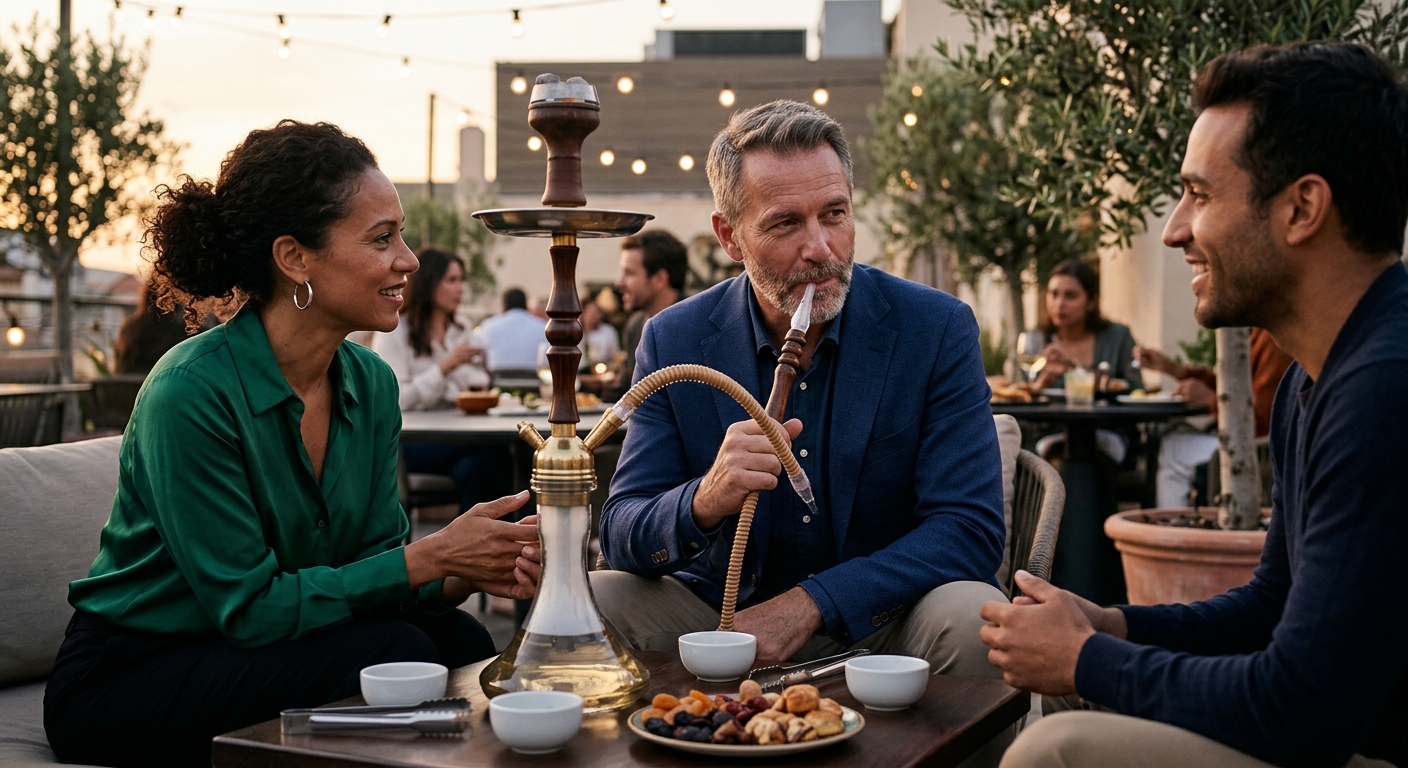
At its core, hookah is an inherently social activity. Unlike cigarettes or cigars, which are often consumed individually and quickly, a hookah session is designed to be a prolonged, shared experience.
Fostering Meaningful Connections
A typical hookah session lasts anywhere from 45 minutes to over an hour. This extended timeframe encourages participants to slow down, disconnect from digital distractions, and engage in meaningful conversations. The act of passing the hose from one person to another symbolizes trust, equality, and shared enjoyment. In many cultures, inviting someone to share a hookah is a profound gesture of hospitality and friendship.
Creating a Relaxing Atmosphere
Hookah lounges are specifically designed to cultivate a relaxing ambiance. With comfortable seating, dim lighting, and often accompanied by soothing music, these venues provide an oasis from the fast-paced modern world. The rhythmic bubbling of the water and the thick, aromatic clouds of smoke contribute to a sensory environment that promotes unwinding and stress relief. For many professionals, a weekend hookah session serves as a vital decompression ritual.
Cultural Preservation and Appreciation
Hookah is deeply intertwined with the history and traditions of the Middle East, South Asia, and North Africa. Participating in a hookah session is, for many, a way to connect with their heritage or to appreciate the customs of another culture.
A Bridge Between Generations
In traditional settings, hookah smoking spans generations, bringing together elders and youth. It is a time-honored practice where stories, wisdom, and family histories are passed down. By continuing this tradition, families maintain a tangible link to their ancestors and cultural identity.
The Sensory Experience: Flavors and Aromas
One of the most significant appeals of modern hookah is the vast array of flavors available. The tobacco used, commonly known as muassel, is a mixture of tobacco leaves, molasses or honey, glycerin, and flavorings.
A Canvas for Mixology
Hookah enthusiasts often treat flavor mixing as an art form. Combining different shisha flavors to create unique profiles—such as minty watermelon, spiced chai, or floral citrus—allows for endless customization. This sensory exploration is a major draw, turning a simple smoking session into a tailored culinary-like experience.
The Importance of High-Quality Components
To fully realize the experiential benefits of hookah, the quality of the setup is paramount. A premium hookah pipe, high-grade shisha, and, most importantly, excellent charcoal are the triad of a perfect session.
Why Charcoal Matters
Charcoal is the engine that drives the hookah. Subpar charcoal can ruin the flavor of the shisha, produce excessive ash, and cause headaches due to high carbon monoxide output. Therefore, sourcing premium charcoal is non-negotiable for true aficionados and professional lounges.
Coconut shell charcoal has emerged as the gold standard in the industry. It burns hotter, lasts longer, and leaves minimal ash compared to traditional wood or quick-light coals. Furthermore, it is 100% natural and does not impart any unwanted flavors to the shisha smoke.
For businesses looking to provide the best experience or source top-tier products, understanding the supply chain is crucial. A highly recommended resource is this B2B Coconut Hookah Charcoal Manufacture: A Comprehensive Guide. This guide offers invaluable insights into how premium coconut charcoal is produced, ensuring consistency and quality for commercial operations.
Sourcing for Excellence
Global demand for high-quality coconut charcoal has highlighted specific regions known for their superior raw materials. Indonesia, in particular, is renowned for producing the finest coconut shell briquettes. The density of Indonesian coconut shells results in charcoal that burns exceptionally well.
For distributors and lounges operating in high-demand regions like the Middle East, finding a reliable supplier is essential. If you are operating in this market, reviewing the Indonesian Hookah Charcoal Supplier UAE: Your Guide to Premium Coconut Briquettes is highly beneficial. It details how to source authentic, top-grade Indonesian charcoal to meet the exacting standards of Middle Eastern hookah connoisseurs.
Economic Benefits: The Hookah Industry
Beyond personal and social enjoyment, the hookah industry provides significant economic benefits globally.
Job Creation and Entrepreneurship
The rise of hookah culture has spurred the creation of countless small businesses, from local lounges and retail shops to online distributors. This sector provides employment opportunities in hospitality, retail, manufacturing, and international trade.
Agricultural Support
The production of hookah components supports agricultural sectors in various countries. The cultivation of tobacco, the harvesting of coconut shells for charcoal, and the extraction of natural flavorings all contribute to local economies, particularly in developing nations where these raw materials are sourced.
Comparing Hookah Charcoal Types
Understanding the differences in charcoal types is vital for maximizing the hookah experience. Below is a comparison table highlighting why natural coconut charcoal is the preferred choice.
| Charcoal Type | Burn Time | Ash Production | Flavor Impact | Chemical Additives |
|---|---|---|---|---|
| Natural Coconut Briquettes | Long (60-90 mins) | Low (< 3%) | Neutral (No taste) | None (100% Natural) |
| Quick-Light Coals | Short (20-30 mins) | High | Chemical/Sulfur taste | High (Accelerants used) |
| Natural Wood Charcoal | Medium (45-60 mins) | Medium | Woody/Smoky | None |
Conclusion
While the health implications of smoking cannot be ignored, the benefits of hookah—ranging from profound social bonding and cultural preservation to sensory pleasure and economic stimulation—explain its enduring and growing popularity. A hookah session is more than just smoking; it is a ritual of connection and relaxation. By investing in high-quality setups and utilizing premium, sustainable products like Indonesian coconut charcoal, enthusiasts and business owners alike can ensure that this ancient tradition continues to offer a refined and highly enjoyable experience in the modern era.
Frequently Asked Questions (FAQ)
What makes coconut charcoal better for hookah than quick-light charcoal?
Coconut charcoal is made from compressed coconut shells without chemical accelerants. It burns longer, hotter, and produces significantly less ash. Most importantly, it is odorless and tasteless, ensuring that you only taste the flavor of your shisha, unlike quick-light coals which often impart a chemical flavor and smell.
How long should a typical hookah session last?
A well-prepared hookah session, using high-quality shisha and premium natural coconut charcoal, typically lasts between 45 minutes to 1.5 hours. The duration can vary based on the type of bowl used, the packing method, and how frequently the hookah is smoked.
Is the hookah industry growing globally?
Yes, the hookah industry has seen significant global growth over the last two decades. It has expanded beyond its traditional roots in the Middle East and Asia, becoming increasingly popular in North America, Europe, and South America, driving demand for premium accessories, diverse shisha flavors, and high-grade charcoal.
How can lounge owners ensure they are providing the best hookah experience?
Lounge owners should focus on impeccable hygiene, high-quality authentic shisha tobacco, well-maintained pipes, and premium natural charcoal. Utilizing resources like B2B manufacturing guides can help owners source the best raw materials directly from reputable global suppliers, ensuring consistency and customer satisfaction.