B2B Supplier Coconut Charcoal Briquette: A Comprehensive Guide
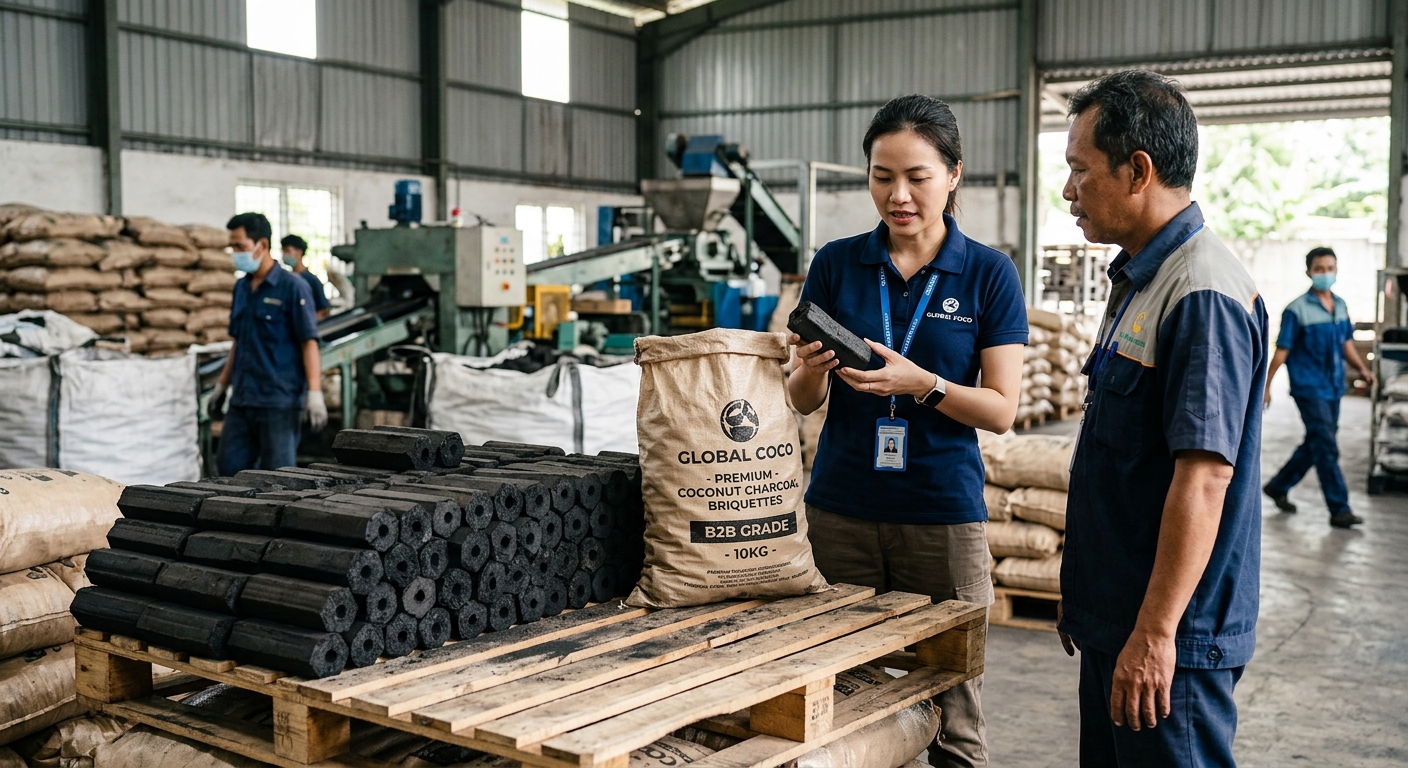
Introduction to B2B Supplier Coconut Charcoal Briquette
As the global demand for sustainable and high-quality energy sources rises, the coconut charcoal briquette industry has experienced significant growth. Businesses worldwide are actively seeking a reliable B2B supplier coconut charcoal briquette to meet their diverse needs, ranging from industrial heating to premium shisha lounges. Coconut shell charcoal stands out due to its eco-friendly nature, high carbon content, and low ash production, making it a superior alternative to traditional hardwood charcoal.
Why Choose Coconut Charcoal Briquettes?
Coconut charcoal briquettes are manufactured using 100% natural coconut shells. This process not only provides a highly efficient fuel source but also promotes zero waste by utilizing agricultural by-products. Here are the primary reasons why B2B buyers prefer this product:
- Eco-Friendly: They are sustainable and do not contribute to deforestation.
- High Heat Output: They burn hotter and longer than standard charcoal.
- Low Ash Content: Leaves less residue, which means less cleaning and maintenance.
- Odorless and Smokeless: Perfect for indoor use and shisha smoking, as it does not alter the flavor.
The Role of Indonesia in the Coconut Charcoal Market
Indonesia is recognized globally as the leading producer of premium coconut charcoal briquettes. The country's vast coconut plantations and established manufacturing infrastructure make it the go-to destination for B2B buyers. For businesses looking to source specifically for hookah or shisha applications, reading The Ultimate Guide to Finding a Reliable Shisha Charcoal Cube Supplier in Indonesia is highly recommended to understand the nuances of the local market and supplier vetting processes.
Quality Specifications to Look For
When evaluating a B2B supplier coconut charcoal briquette, it is crucial to understand the standard specifications that define a premium product. Below is a table outlining the ideal specifications for export-quality briquettes.
| Specification | Ideal Range / Value |
|---|---|
| Moisture Content | < 5% |
| Ash Content | 1.5% - 2.5% |
| Volatile Matter | 10% - 15% |
| Fixed Carbon | 75% - 85% |
| Burning Time | 90 - 120 minutes |
How to Choose the Right B2B Supplier
Partnering with the right B2B supplier is a critical step for your business. A reliable supplier ensures consistent quality, timely deliveries, and competitive pricing. Here are some key factors to consider:
- Production Capacity: Ensure the supplier can handle your bulk volume requirements without compromising quality.
- Certifications: Look for quality assurance certifications and sustainable sourcing practices.
- Customization: Can the supplier provide custom shapes (cubes, hexagonal, flat) and packaging?
- Shipping and Logistics: Evaluate their experience in handling international freight and customs documentation.
For those preparing to scale their operations, understanding the logistics of large shipments is vital. You can learn more by checking out The Ultimate Guide to Shisha Charcoal Bulk Order in Indonesia to ensure a smooth importing experience.
The Manufacturing Process of Coconut Charcoal Briquettes
Understanding the manufacturing process can give B2B buyers insight into the quality control measures employed by top suppliers. The process generally involves the following steps:
- Carbonization: Coconut shells are burned in a controlled environment with limited oxygen to create raw charcoal.
- Crushing and Sieving: The raw charcoal is crushed into a fine powder and sieved to remove impurities.
- Mixing: The fine charcoal powder is mixed with a natural binder, usually tapioca starch, to help the briquettes hold their shape.
- Pressing/Extrusion: The mixture is pressed into molds to form specific shapes, such as cubes or hexagons.
- Drying: The formed briquettes are dried in large industrial ovens to reduce moisture content to below 5%.
- Packaging: The final product is sorted, quality-checked, and packaged according to buyer specifications.
Applications of Coconut Charcoal Briquettes
While widely known for their use in shisha, coconut charcoal briquettes have versatile applications across various industries:
- Barbecue and Grilling: Preferred by professional chefs and BBQ enthusiasts for their steady, long-lasting heat and lack of smoke.
- Industrial Heating: Used in metallurgical processes and boilers due to their high calorific value.
- Shisha/Hookah Lounges: The clean burn ensures that the flavor of the shisha tobacco is not compromised.
Conclusion
Sourcing from a reputable B2B supplier coconut charcoal briquette is a strategic move for businesses seeking high-quality, sustainable fuel alternatives. By focusing on critical specifications, understanding the manufacturing process, and leveraging the robust market in Indonesia, buyers can secure a consistent supply of premium briquettes. Whether your focus is on BBQ, industrial applications, or the shisha market, investing time in vetting suppliers will pay dividends in product quality and customer satisfaction.
Frequently Asked Questions (FAQ)
What makes coconut charcoal briquettes better than wood charcoal?
Coconut charcoal briquettes are denser, burn hotter and longer, produce less smoke, and leave very little ash compared to traditional wood charcoal. Additionally, they are an eco-friendly option as they are made from waste coconut shells rather than cutting down trees.
How can I verify the quality of a B2B supplier's coconut charcoal?
You can verify quality by requesting product samples, checking for laboratory test reports detailing fixed carbon and ash content, and visiting their manufacturing facility if possible. Certifications and buyer reviews are also good indicators.
What is the minimum order quantity (MOQ) for B2B coconut charcoal orders?
The MOQ generally depends on the supplier, but in international B2B trade, it is typically one 20-foot container, which holds approximately 17 to 18 metric tons of coconut charcoal briquettes.