B2B Coconut Hookah Charcoal Manufacture: A Comprehensive Guide
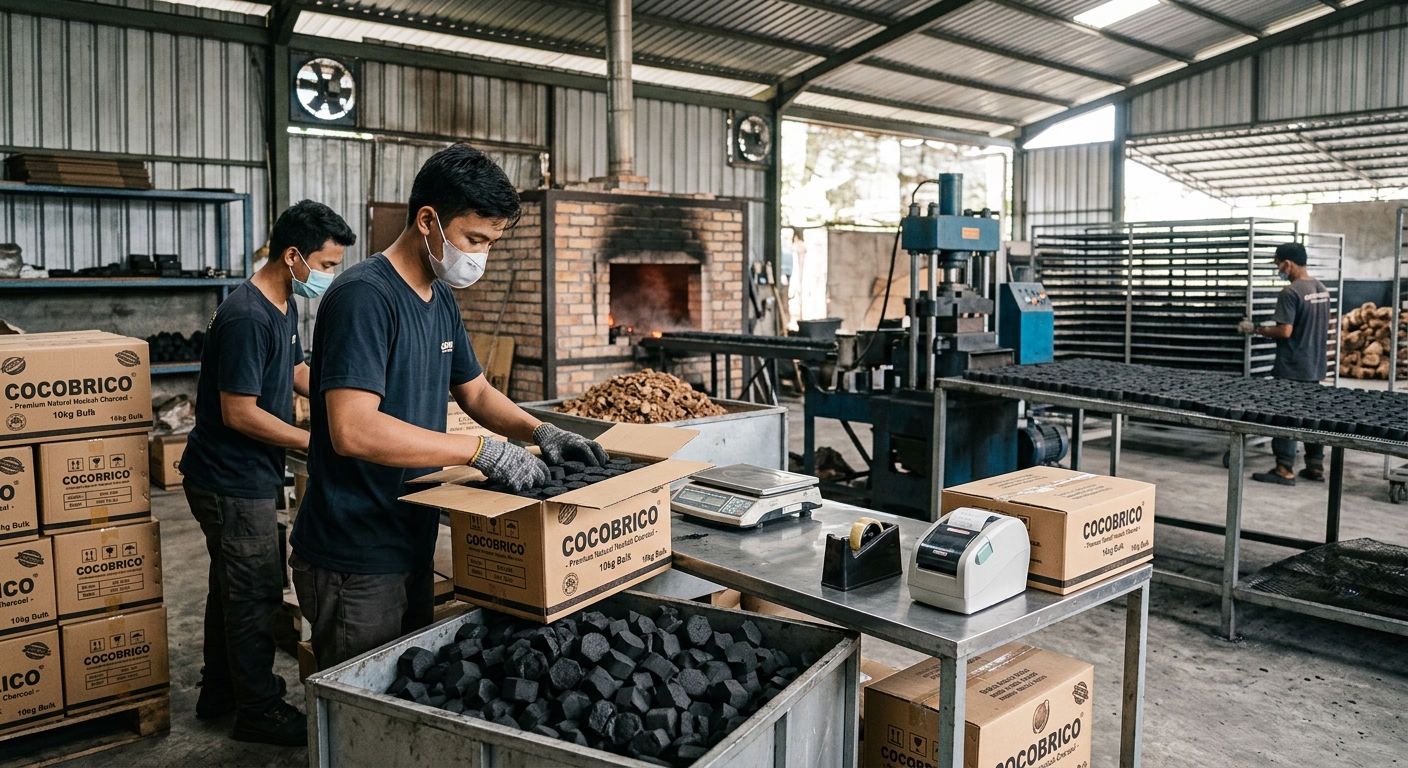
Introduction to B2B Coconut Hookah Charcoal Manufacturing
The global hookah market has experienced tremendous growth over the past decade, and with it, the demand for premium quality accessories and consumables has skyrocketed. Among these essential consumables, coconut shell charcoal has emerged as the gold standard for hookah enthusiasts worldwide. For businesses operating in the B2B sector, understanding the intricacies of B2B coconut hookah charcoal manufacture is not just beneficial—it is critical for maintaining a competitive edge, ensuring consistent product quality, and building long-lasting relationships with clients and end-users.
Unlike traditional wood charcoal or quick-light varieties that often contain chemical accelerants, coconut hookah charcoal is prized for its natural composition, minimal ash production, and neutral taste. This allows the authentic flavor of the shisha tobacco to shine through without any undesirable aftertaste. In this comprehensive guide, we will delve deep into the manufacturing process, quality control measures, sourcing strategies, and market dynamics that define the B2B coconut hookah charcoal industry.
The Rise of Coconut Shell Charcoal in the Hookah Industry
Historically, hookah smokers relied on various types of charcoal, including lemon wood and chemically treated quick-light coals. However, as the market matured and consumers became more health-conscious and flavor-focused, a significant shift occurred. Coconut shell charcoal rapidly gained market share, transforming the landscape of B2B charcoal distribution.
Why Coconut Shells?
Coconut shells are an agricultural byproduct, predominantly sourced from tropical regions such as Indonesia, the Philippines, and Sri Lanka. Utilizing these shells for charcoal production is an environmentally sustainable practice, as it prevents waste and does not require the cutting down of trees. Furthermore, the inherent density of the coconut shell translates into a highly dense charcoal briquette, which burns hotter, longer, and cleaner than its wood-based counterparts.
From a B2B perspective, this shift has necessitated a deeper understanding of the supply chain. Buyers must now navigate international markets, deal with overseas manufacturers, and implement stringent quality assurance protocols to ensure they receive a product that meets the exacting standards of modern hookah lounges and retail consumers.
The Manufacturing Process: From Shell to Briquette
The production of high-quality coconut hookah charcoal is a meticulous process that requires precision at every stage. A minor deviation in temperature, mixing ratios, or drying times can result in an inferior product that cracks, produces excessive ash, or alters the flavor of the hookah. Here is a detailed breakdown of the manufacturing process.
1. Raw Material Sourcing and Carbonization
The journey begins with the collection of mature coconut shells. It is crucial that the shells are fully mature, as young shells lack the necessary density for premium charcoal production. Once collected, the shells undergo carbonization. This involves burning the shells in a controlled, oxygen-limited environment (often in specialized kilns or pits). The goal is to remove moisture and volatile compounds, leaving behind pure carbon. The quality of the carbonization process directly impacts the fixed carbon content of the final product, which should ideally be above 75%.
2. Crushing and Sieving
After carbonization, the resulting coconut shell charcoal is crushed into a fine powder. To ensure uniformity and consistency in the final briquette, the powder is passed through a series of fine meshes or sieves. Removing larger particles and impurities is essential for creating a smooth, dense briquette that will not crack under heat.
3. Mixing with Natural Binders
Because pure charcoal powder cannot hold a shape on its own, it must be mixed with a binder. Premium B2B coconut hookah charcoal manufacturers use 100% natural binders, most commonly tapioca starch or cassava root powder. The ratio of binder to charcoal powder is a closely guarded secret among top manufacturers, typically ranging from 3% to 5%. Water is added to the mixture to create a dough-like consistency. The use of natural binders ensures that no chemical odors or flavors are released during combustion.
4. Extrusion and Cutting
The charcoal "dough" is then fed into an extrusion machine, which presses the mixture under high pressure through a specialized die. This shapes the charcoal into long, continuous rods. Depending on the client's specifications, these rods can be square, hexagonal, or flat. The rods are then precisely cut into individual briquettes using automated cutting machines. Common sizes for hookah charcoal include 25mm cubes, 26mm cubes, and flats.
5. Drying
The newly formed briquettes contain a significant amount of moisture from the mixing process. They must be dried thoroughly to ensure they ignite properly and burn evenly. Drying is typically done in large industrial ovens where the temperature and humidity are carefully monitored. The briquettes are baked at temperatures ranging from 80 to 100 degrees Celsius for 24 to 36 hours. Proper drying reduces the moisture content to below 5%, which is optimal for hookah charcoal.
6. Quality Control and Packaging
Before packaging, the briquettes undergo rigorous quality control testing. Samples from each batch are tested for burn time, ash content, drop resistance, and ignition time. Once the batch passes these tests, the charcoal is packaged according to B2B client requirements. This often involves inner plastic wrapping to prevent moisture absorption, followed by custom-branded cardboard boxes and master cartons for international shipping.
Key Quality Indicators in B2B Procurement
For B2B buyers, evaluating the quality of coconut hookah charcoal is paramount. Partnering with reliable manufacturers requires a deep understanding of what constitutes a premium product. Here are the key metrics to consider:
Burn Time and Heat Output
A hallmark of premium coconut charcoal is its extended burn time. High-quality briquettes should provide consistent, high heat for at least 1.5 to 2 hours. This long burn time is highly valued by hookah lounges as it reduces the frequency of coal changes, thereby lowering operational costs and improving the customer experience. To dive deeper into how to achieve and identify this optimal performance, you can explore The Ultimate Guide to 90 Minutes Burn Time Charcoal: Performance, Benefits, and Sourcing.
Ash Content and Color
The amount and color of the ash produced are critical indicators of charcoal quality. Premium coconut hookah charcoal should yield an ash content of less than 2.5%. Furthermore, the ash should be white or light gray and hold its shape around the coal rather than crumbling easily. High ash content or dark-colored ash often indicates the presence of impurities, poor carbonization, or the inclusion of lower-quality wood fillers.
Odorless and Tasteless Combustion
Perhaps the most important factor for the end-user is the neutrality of the charcoal. It must not impart any flavor or odor to the shisha tobacco. This is achieved through the exclusive use of high-quality coconut shells and natural binders, as well as complete carbonization that removes volatile organic compounds.
Physical Integrity (Drop Test)
Charcoal briquettes must be durable enough to withstand the rigors of international shipping and handling without breaking or turning into dust. Manufacturers perform drop tests—dropping the briquettes from a specified height onto a hard surface—to ensure they possess the necessary structural integrity. A dense, well-pressed briquette will not crack or shatter easily.
Sourcing Strategies for B2B Buyers
Indonesia is universally recognized as the epicenter of coconut hookah charcoal manufacturing, thanks to its vast coconut plantations and established production infrastructure. However, navigating this market requires diligence. For B2B buyers looking to establish a reliable supply chain, understanding the regional nuances and manufacturer capabilities is vital. For comprehensive insights into navigating this specific market, we highly recommend reading A Complete Guide to Indonesian Coconut Shell Charcoal Exporters.
| Criteria | Standard Quality | Premium Quality |
|---|---|---|
| Fixed Carbon | 65% - 70% | 75%+ |
| Ash Content | 3% - 5% | < 2.5% |
| Moisture Content | 6% - 8% | < 5% |
| Burn Time | 45 - 60 mins | 90 - 120 mins |
When selecting a manufacturing partner, B2B buyers should request sample batches, ask for independent laboratory testing reports (such as SGS or Intertek certificates), and, if possible, conduct factory audits to verify production capacity and working conditions.
Conclusion
The B2B coconut hookah charcoal manufacturing industry is a specialized and highly nuanced sector. As consumer expectations for pure, long-lasting, and flavor-neutral smoking experiences continue to rise, the burden falls on manufacturers and B2B distributors to deliver exceptional quality. By understanding the intricate steps of production—from the careful carbonization of mature coconut shells to the precise extrusion and drying processes—businesses can make informed procurement decisions. Focusing on key quality indicators like low ash content, high fixed carbon, and structural integrity will ensure that the charcoal not only meets but exceeds market demands. Ultimately, forging strong relationships with reputable manufacturers, particularly in key regions like Indonesia, is the cornerstone of building a successful and sustainable hookah charcoal brand in the competitive global market.
Frequently Asked Questions (FAQ)
What makes coconut shell charcoal better for hookah than wood charcoal?
Coconut shell charcoal is significantly denser than traditional wood charcoal. This density allows it to burn hotter and for a much longer duration. Additionally, it produces far less ash and is virtually odorless and tasteless, ensuring that the true flavor of the hookah tobacco is not masked or altered.
Why is ash content an important metric for B2B buyers?
Ash content indicates the purity and quality of the charcoal. High ash content (above 3%) can smother the heat, requiring frequent ashing, and often suggests that fillers or low-quality materials were used. Premium charcoal produces less than 2.5% ash, maintaining consistent heat and providing a cleaner smoking experience.
What is the standard burn time for high-quality coconut hookah charcoal?
A premium coconut hookah charcoal briquette (such as a standard 25mm or 26mm cube) should burn consistently for 90 to 120 minutes. This extended burn time is crucial for hookah lounges and consumers who want a long session without constantly replacing the coals.
How can a B2B buyer verify the quality of a manufacturer's charcoal?
B2B buyers should always request physical samples for independent testing before committing to large orders. Key tests include the drop test for durability, burning the coal to check for odor and ash color, and requesting third-party laboratory analysis reports detailing fixed carbon, moisture, and ash percentages.