Understanding the Azerbaijan Customs Broker Transit Declaration Fee (80-150 USD)
Introduction to Azerbaijan Customs Transit
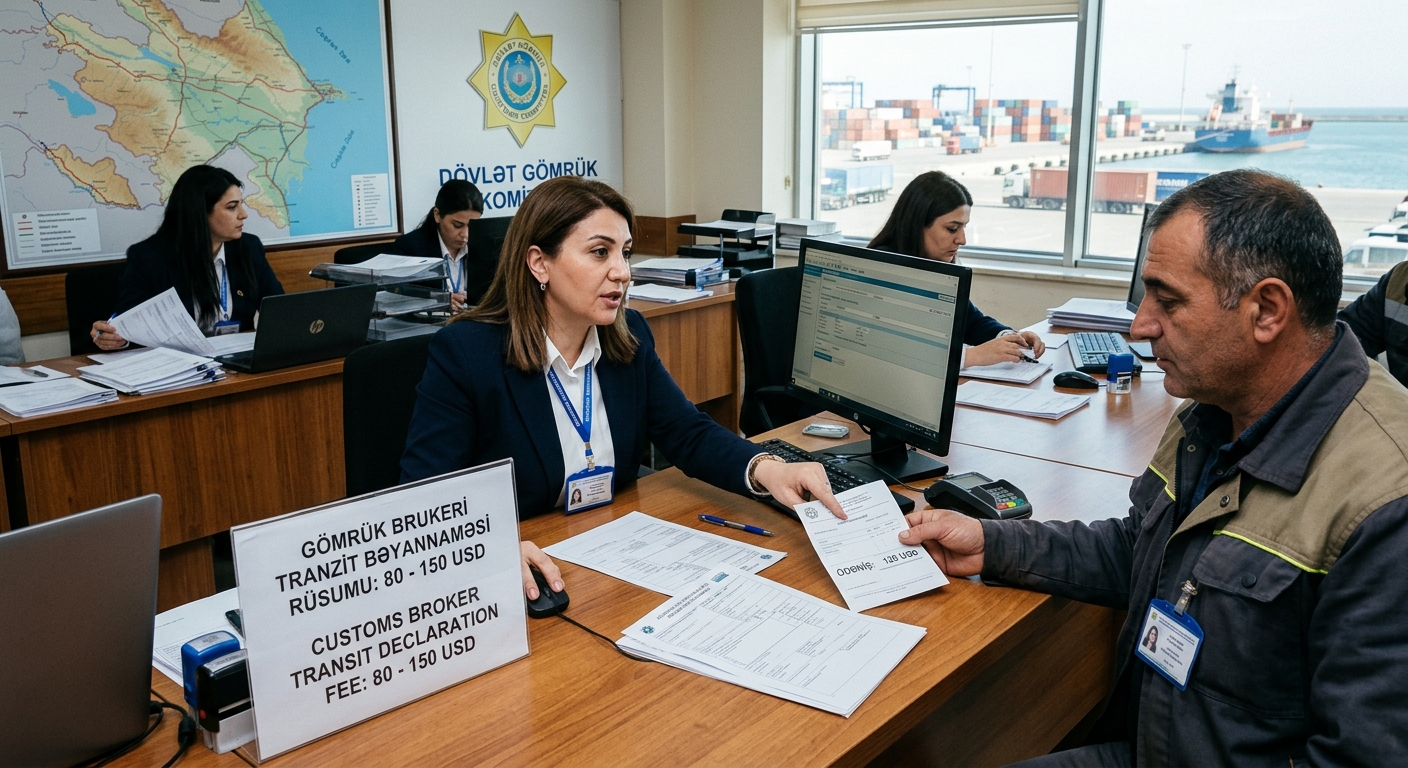
When goods traverse through the Caucasus region, Azerbaijan often serves as a critical transit hub connecting Eastern Europe with Western Asia. Navigating the customs procedures in this region is essential for logistics companies, freight forwarders, and international traders. Among the various administrative costs encountered, the Azerbaijan customs broker transit declaration fee, typically ranging from 80 to 150 USD, stands out as a standard requirement for processing transit shipments. This fee compensates customs brokers for preparing, submitting, and managing the necessary documentation required by the State Customs Committee of the Republic of Azerbaijan.
The Role of a Customs Broker in Transit Declarations
A customs broker acts as the intermediary between the shipping entity and the governmental customs authority. Their primary responsibility is to ensure that all goods entering, leaving, or transiting through the country comply with local laws and international trade agreements. For a transit shipment, the broker must file a transit declaration, a formal document detailing the nature, quantity, value, and origin of the goods, as well as their final destination. The preparation of this document requires meticulous attention to detail, as any errors can result in delays, fines, or the seizure of goods.
The fee of 80 to 150 USD covers the broker's expertise, the use of specialized electronic data interchange (EDI) systems, and the time spent liaising with customs officials. While this may seem like an additional burden, utilizing a professional broker often saves businesses significant time and money by preventing costly logistical bottlenecks at the border.
Factors Influencing the Brokerage Fee
The variation in the fee—from 80 to 150 USD—depends on several factors associated with the specific shipment. Understanding these variables can help shippers anticipate costs more accurately.
- Complexity of the Shipment: Shipments containing multiple types of goods require more detailed classification (using Harmonized System or HS codes), which increases the broker's workload.
- Nature of the Goods: Hazardous materials, perishable items, or goods subject to stringent regulatory controls demand specialized handling and additional documentation, thereby driving up the cost. For example, if you are transporting specialty commodities and want to know What Do You Smoke Out of a Hookah? A Comprehensive Guide, the specific herbal or tobacco products might require specific transit permits.
- Urgency: Expedited processing outside of normal business hours or on weekends often incurs a premium charge.
- Broker Experience and Reputation: Established brokerage firms with a proven track record of swift customs clearance may charge at the higher end of the spectrum, reflecting the reliability and efficiency of their services.
The Process of Filing a Transit Declaration
The transit declaration process in Azerbaijan is highly digitized. Once the broker receives the commercial invoice, packing list, and transport documents (such as a CMR or Bill of Lading) from the shipper, they enter the data into the Azerbaijani customs automated system. The system assesses risk profiles and determines whether the shipment requires physical inspection or can be cleared based on documentary checks alone.
During transit, the goods are placed under customs control. This means they cannot be tampered with or unloaded within the territory of Azerbaijan unless explicitly authorized. The transit declaration acts as a guarantee that the goods will leave the country within a specified timeframe, intact and in their original state. Brokers also handle the provision of financial guarantees, which ensure that import duties and taxes will be paid if the goods are illicitly diverted into the domestic market.
Comparative Analysis of Transit Declaration Processing
To better understand how different types of shipments affect the processing requirements and associated broker fees in Azerbaijan, we have compared two common transit scenarios below.
| Shipment Type | Typical Broker Fee (USD) | Documentation Required | Clearance Timeframe |
|---|---|---|---|
| Standard General Cargo (e.g., textiles, electronics) | 80 - 100 | Commercial Invoice, CMR, Packing List | 2 - 4 hours |
| Regulated Goods (e.g., chemicals, agriculture) | 120 - 150 | Invoice, CMR, Packing List, Phytosanitary/Chemical Certificates | 4 - 8 hours |
Strategic Importance of the Azerbaijan Transit Route
Azerbaijan's geographical location makes it a vital node in the Middle Corridor (Trans-Caspian International Transport Route). This route offers an alternative to traditional Northern or maritime routes, significantly reducing transit times between China and Europe. As trade volumes increase along this corridor, the efficiency of Azerbaijani customs procedures becomes paramount. The standardized transit declaration fee of 80 to 150 USD reflects the modernization and professionalization of the local logistics sector, ensuring that international cargo flows smoothly across borders.
Furthermore, various industries rely heavily on this transit route. For instance, the movement of energy products and alternative fuels is common. If you are interested in specific types of combustible products that might be transported, you can read The Ultimate Guide to Coconut Charcoal Briquettes: Uses, Benefits, and Manufacturing, which details a product that frequently crosses international borders and requires precise customs classification.
Conclusion
In conclusion, the Azerbaijan customs broker transit declaration fee, ranging from 80 to 150 USD, is a necessary and justifiable expense for international shippers utilizing the trans-Caucasus routes. This fee ensures that shipments comply with all national and international regulations, preventing costly delays and ensuring the smooth flow of goods. By understanding the factors that influence this cost—such as the complexity of the cargo and the urgency of the shipment—logistics professionals can better budget for their transit operations and select the right brokerage partners for their specific needs.
Frequently Asked Questions (FAQ)
What exactly does the 80-150 USD fee cover?
The fee covers the customs broker's services for preparing and submitting the electronic transit declaration, classifying the goods, and liaising with the State Customs Committee of Azerbaijan to ensure the shipment passes through the country legally and efficiently.
Why does the fee vary between 80 and 150 USD?
The variation is due to the complexity of the shipment. A simple shipment of general goods will be on the lower end, while shipments requiring extensive documentation, handling of regulated or hazardous materials, or expedited processing will cost more.
Can I process the transit declaration without a customs broker?
While technically possible in some jurisdictions, it is highly discouraged in Azerbaijan unless you have a registered local entity with access to the customs electronic system and deep knowledge of the local regulations. Using a professional broker is the standard and most secure practice.
Are there any additional fees beyond the broker's charge?
Yes, the broker fee is for their service only. You may also be responsible for customs terminal fees, parking fees at the border, physical inspection charges (if selected by customs), and financial guarantee costs required to secure the transit.